My neighbor, a retired butcher named Mr. Kowalski, watched me wrestle with a too-lean pack of ground beef in my driveway last spring. I was trying to unload groceries with one hand while my toddler had a meltdown over a dropped popsicle. He didn’t say anything at first. Then he just shook his head, walked over, and pointed a thick finger at my shopping bag. “That meat needs fat, and that meatloaf needs a glaze,” he said, like it was the most obvious thing in the world. He disappeared into his garage and came back with a stained index card, the kind that had been folded and unfolded a hundred times. “My wife’s recipe. Don’t mess it up.”
Honestly, I was a little intimidated. I had made meatloaf before, but it was always dry, crumbly, and honestly, a bit sad. It was the kind of meal you made because you had to, not because you wanted to. But this card promised something different—a “Best Classic Meatloaf with Brown Sugar Glaze.” The glaze part was what hooked me. I mean, who puts brown sugar on meat? It sounded weird, but Mr. Kowalski wasn’t the type to joke about dinner.
The first time I made it, I was nervous. I followed the card to the letter, mixing the meat with my hands (something I normally avoid because I hate the feeling) and carefully layering on that sweet, sticky glaze. The smell that filled my kitchen was unbelievable. It was savory, sweet, and deeply comforting all at once. When I pulled it out of the oven, it had this beautiful, caramelized crust that glistened under the kitchen lights. My husband, who is usually a quiet eater, looked up from his plate after the first bite and said, “This is the best meatloaf I’ve ever had.” And that was it. This recipe wasn’t just good—it was a game-changer for our family dinners. It’s the one I turn to when I need a guaranteed win, a meal that brings everyone to the table without a single complaint.
Why You’ll Love This Recipe
This isn’t just another meatloaf recipe. This is the one that will make you forget every dry, flavorless loaf you’ve ever suffered through. It’s the kind of recipe that turns a humble weeknight dinner into something everyone actually looks forward to. Let me tell you why this one stands out from the crowd.
- Quick & Easy: With just 15 minutes of prep time and 30 minutes of cooking, this meatloaf is perfect for those crazy weeknights when you need a hearty meal on the table fast. No complicated steps, no fancy equipment—just simple, honest cooking.
- Simple Ingredients: You probably have most of these ingredients in your pantry and fridge right now. Ground beef, breadcrumbs, an egg, ketchup, and a few spices. The brown sugar glaze? Just brown sugar, ketchup, and a splash of vinegar. No trips to a specialty store required.
- Perfect for Family Dinners: This meatloaf is the ultimate crowd-pleaser. It’s kid-approved (my own picky eater cleans his plate), budget-friendly, and it pairs beautifully with mashed potatoes, roasted veggies, or a simple salad. It’s the meal that says “I care” without breaking the bank.
- Unbelievably Delicious: The secret is in the glaze. That sweet, tangy, caramelized topping creates a crust that is pure magic. It keeps the meatloaf incredibly moist and adds a flavor punch that makes every single bite exciting. Honestly, you might find yourself eating the leftovers cold, straight from the fridge—I won’t judge.
- Foolproof Results: I’ve tested this recipe more times than I can count. It works every single time. The ratio of meat to binder is perfect, so you’ll never end up with a meatloaf that falls apart or turns into a brick. It’s a recipe you can trust, even if you’re a beginner cook.
This meatloaf is more than just dinner. It’s comfort food that brings people together. It’s the meal you make when you need a hug on a plate, or when you want to impress someone without any stress. It’s the recipe that will make you feel like a kitchen pro, and honestly, it’s the one you’ll pass down to your own kids someday.
What Ingredients You Will Need
This recipe uses simple, everyday ingredients to create something truly special. Each component plays a crucial role, bringing flavor, moisture, and structure to the final dish. Let’s break down what you’ll need and why each ingredient matters.
For the Meatloaf
- 2 lbs (900g) Ground Beef (80/20 blend): This is the star of the show. I strongly recommend using an 80/20 blend (80% lean, 20% fat). The fat is essential for keeping the meatloaf moist and flavorful. If you use leaner meat like 90/10, your meatloaf will likely turn out dry. I personally buy my ground beef from a local butcher when I can, but any good-quality supermarket brand works well. Look for meat that is bright red and doesn’t have a strong smell.
- 1 cup (120g) Plain Breadcrumbs: Breadcrumbs act as a binder, soaking up the moisture from the eggs and milk to help hold the meatloaf together. You can use panko breadcrumbs for a slightly lighter texture, or even crushed saltine crackers in a pinch. I prefer plain breadcrumbs because they don’t add any extra salt or seasoning, letting me control the flavor profile.
- 1/2 cup (120ml) Whole Milk: The milk is used to soak the breadcrumbs, creating a panade (a paste) that keeps the meatloaf incredibly tender. It adds moisture without making the mixture too wet. You can substitute with 2% milk or even unsweetened almond milk, but whole milk gives the best, richest result.
- 1 Large Egg: The egg acts as another binder, helping to hold all the ingredients together. It also adds richness and helps the meatloaf set properly as it cooks. Make sure your egg is at room temperature so it incorporates more evenly into the meat mixture.
- 1 Medium Yellow Onion (finely chopped): Onion adds a savory, aromatic base to the meatloaf. Sautéing it first is a game-changer—it softens the onion and releases its natural sweetness, preventing any harsh, raw onion bites in the final dish. I always chop mine very fine so it melts into the meat.
- 2 Cloves Garlic (minced): Garlic is non-negotiable in my book. It adds a warm, pungent depth that complements the beef perfectly. Fresh garlic is best, but in a pinch, you can use 1/2 teaspoon of garlic powder.
- 1 teaspoon Salt: Salt is crucial for bringing out the flavor of all the other ingredients. Don’t skip it! I use fine sea salt for even distribution.
- 1/2 teaspoon Black Pepper: Freshly ground black pepper adds a gentle heat and complexity. It’s a simple spice, but it makes a big difference.
- 1 teaspoon Dried Thyme: Thyme adds an earthy, slightly floral note that pairs beautifully with beef. It’s a classic herb for meatloaf and gives it that “homemade” taste.
- 1/2 teaspoon Paprika: Paprika adds a subtle smokiness and a beautiful color to the meatloaf. I use sweet paprika, but smoked paprika would also be delicious for a deeper flavor.
For the Brown Sugar Glaze
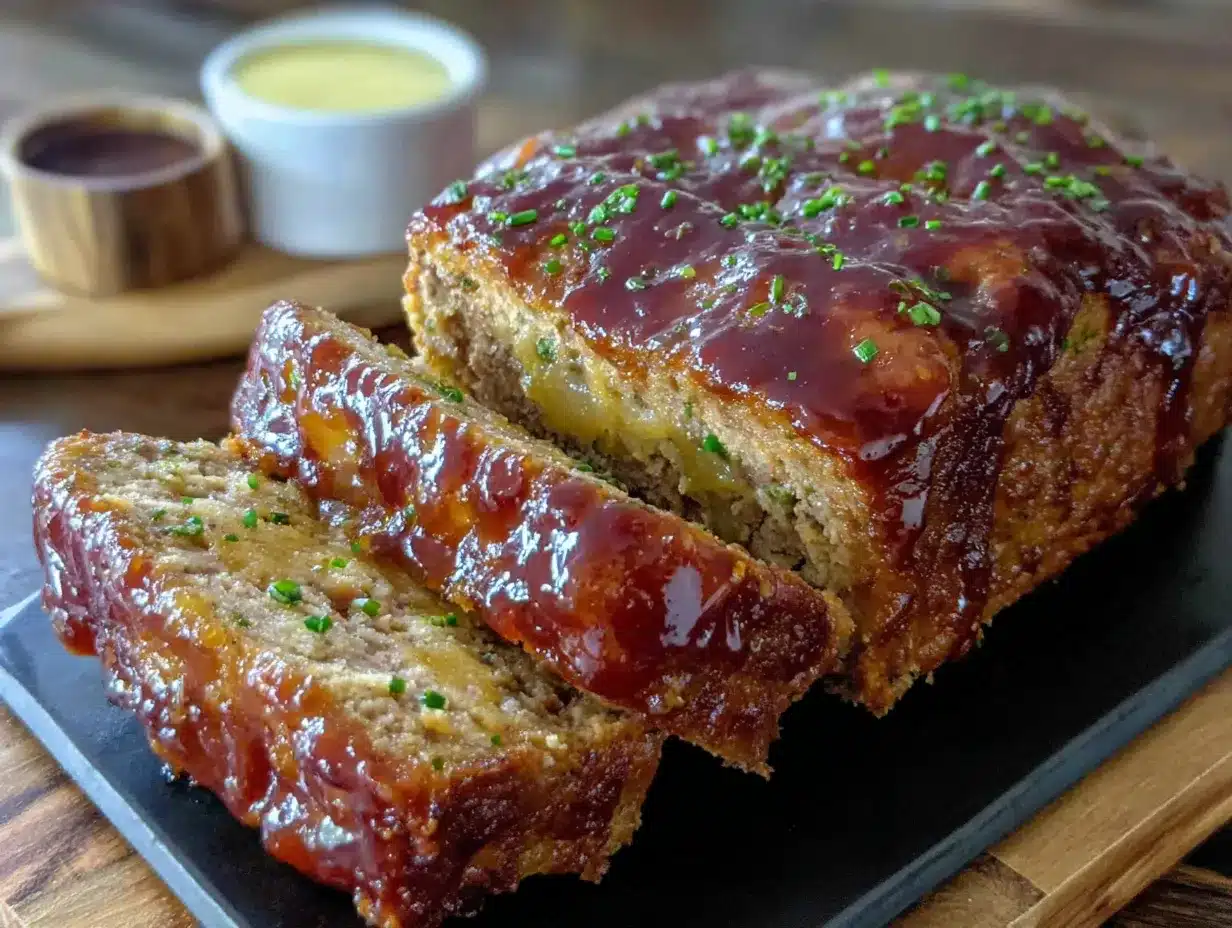
- 1/2 cup (100g) Packed Light Brown Sugar: This is the magic ingredient. Brown sugar adds a deep, molasses-like sweetness that caramelizes beautifully in the oven, creating that signature sticky, shiny crust. Don’t use dark brown sugar as it can be overpowering.
- 1/4 cup (60ml) Ketchup: Ketchup provides the tangy, tomato-based backbone for the glaze. It balances the sweetness of the brown sugar perfectly. I prefer a classic ketchup like Heinz for its consistent flavor.
- 1 tablespoon Apple Cider Vinegar: A splash of vinegar cuts through the sweetness and adds a bright, acidic note that prevents the glaze from being cloying. It also helps the glaze set up nicely. You can substitute with white vinegar if that’s all you have.
- 1 teaspoon Worcestershire Sauce: This adds a savory, umami depth that makes the glaze taste incredibly complex. It’s a secret weapon in many of my recipes. (adds savory depth)
Equipment Needed
You don’t need a lot of fancy gadgets to make this recipe, which is one of the things I love about it. Here’s what you’ll need to get started.
- Large Mixing Bowl: You’ll need a big bowl to combine all the meatloaf ingredients. A glass or stainless steel bowl works perfectly. I’ve used the same ceramic one for years—it’s got a chip in it, but it does the job.
- Loaf Pan (9×5-inch): A standard loaf pan is ideal for shaping the meatloaf. It helps it cook evenly and hold its shape. If you don’t have one, you can form the meatloaf into a free-form loaf on a lined baking sheet. Just make sure to shape it tightly so it doesn’t fall apart.
- Small Skillet: You’ll need this to sauté the onion and garlic. A non-stick skillet is easiest, but any small pan will work.
- Small Bowl: For mixing the glaze ingredients together. A simple cereal bowl is fine.
- Measuring Cups and Spoons: Accurate measurements are key for a successful recipe. I recommend using dry measuring cups for the breadcrumbs and brown sugar, and liquid measuring cups for the milk and ketchup.
- Chef’s Knife and Cutting Board: For chopping the onion and mincing the garlic. A sharp knife makes the job so much easier and safer.
- Wooden Spoon or Spatula: For mixing the glaze. You’ll also use your hands to mix the meatloaf—it’s the best way to ensure everything is evenly combined without overworking the meat.
- Meat Thermometer (Optional but Recommended): This is the best way to ensure your meatloaf is cooked perfectly. It takes the guesswork out of it. A simple instant-read thermometer costs very little and is a worthwhile investment for any home cook.
Preparation Method
Alright, let’s get cooking! This process is straightforward, but I’ll walk you through each step with all the little tips I’ve learned along the way.
- Preheat and Prep: First things first, preheat your oven to 375°F (190°C). While it’s heating up, finely chop your onion and mince your garlic. I like to do all my chopping before I start cooking—it makes the process so much smoother.
- Sauté the Aromatics: Heat a small skillet over medium heat and add a drizzle of olive oil. Add the chopped onion and cook for about 3-4 minutes, until it becomes soft and translucent. Then, add the minced garlic and cook for another 30 seconds until fragrant. Be careful not to burn the garlic! Set this mixture aside to cool slightly. This step is crucial—it softens the onion and mellows the garlic, so you don’t get any harsh bites in your meatloaf.
- Make the Panade: In your large mixing bowl, combine the breadcrumbs and milk. Stir them together and let them sit for about 5 minutes. The breadcrumbs will absorb the milk, creating a thick, paste-like mixture. This is your panade, and it’s the secret to a tender, moist meatloaf. It’s a little trick I picked up from a cooking class years ago, and it has never failed me.
- Combine the Meatloaf Mixture: To the bowl with the panade, add the ground beef, the sautéed onion and garlic, the egg, salt, pepper, thyme, and paprika. Now, here’s the important part: use your hands to gently mix everything together. Don’t overmix! Overworking the meat can make the meatloaf tough. Just mix until everything is evenly combined. I usually count to about 20 gentle folds. It should feel soft and cohesive, not stiff.
- Shape the Loaf: Transfer the meat mixture to your loaf pan. Press it in gently, making sure there are no air pockets. You want it to be evenly distributed in the pan. If you’re making a free-form loaf on a baking sheet, shape it into a rectangular log about the same size as a loaf pan. Make sure it’s compact so it holds together.
- Make the Glaze: In your small bowl, whisk together the packed brown sugar, ketchup, apple cider vinegar, and Worcestershire sauce. It should be a smooth, thick, dark red sauce. Give it a taste—it should be sweet, tangy, and a little savory. Adjust the vinegar or sugar to your liking, but this ratio is pretty perfect.
- Apply the Glaze: Pour about half of the glaze over the top of the raw meatloaf. Use a spoon or spatula to spread it evenly over the top and let it drip down the sides a little. Don’t be shy—this glaze is what makes the meatloaf special. Reserve the other half of the glaze for later.
- Bake: Place the loaf pan in the preheated oven and bake for 25 minutes. After 25 minutes, carefully remove the pan from the oven and spoon the remaining glaze over the top. Return it to the oven and bake for another 5-10 minutes. The total cooking time should be about 30-35 minutes.
- Check for Doneness: The best way to know if your meatloaf is done is to use a meat thermometer. Insert it into the center of the loaf. It should read 160°F (71°C). If you don’t have a thermometer, you can check by cutting into the center—the juices should run clear, and there should be no pinkness. The glaze should be bubbly and caramelized.
- Rest and Serve: This is a step you absolutely cannot skip! Once the meatloaf is cooked, remove it from the oven and let it rest in the pan for at least 10 minutes. This allows the juices to redistribute throughout the meat, making it even more moist and easier to slice without falling apart. I know it’s hard to wait, but trust me, it’s worth it. After resting, slice and serve warm.
Cooking Tips & Techniques
Over the years, I’ve made this meatloaf more times than I can count, and I’ve definitely learned a few things the hard way. Here are my best tips to help you nail it every single time.
- Don’t Overmix the Meat: This is probably the most common mistake. When you overmix the meat mixture, you develop the protein in the beef, which leads to a tough, dense meatloaf. Mix gently and only until the ingredients are just combined. Think of it like making biscuits—a light hand is key.
- Use a Meat Thermometer: I cannot stress this enough. Ovens vary, and the size of your loaf can affect cooking time. A meat thermometer takes all the guesswork out of it. It’s the only way to guarantee a perfectly cooked, juicy meatloaf every single time. I ruined so many meatloaves before I finally bought one for ten bucks.
- Let It Rest: I know you’re hungry, and the smell is incredible, but letting the meatloaf rest is non-negotiable. If you slice into it right away, all those wonderful juices will run out onto the cutting board, leaving you with a dry meatloaf. A 10-minute rest is all it takes to lock in that moisture.
- Line Your Pan: For easier cleanup, you can line your loaf pan with parchment paper, leaving a little overhang on the sides. This makes it super easy to lift the whole meatloaf out of the pan after it rests. I do this when I’m making it for a crowd and want a perfect presentation.
- Make a Double Batch: This meatloaf freezes beautifully. I often make two loaves at once. We eat one for dinner, and I wrap the second one tightly in plastic wrap and foil and freeze it for a busy night later. It’s a lifesaver on those days when you just can’t think about cooking.
- Don’t Skip the Sauté: I know it’s an extra step, but sautéing the onion and garlic before adding them to the meat is a game-changer. Raw onion can be harsh and overpowering. Sautéing it mellows the flavor and brings out its natural sweetness, resulting in a much more balanced and delicious meatloaf.
Variations & Adaptations
This recipe is a fantastic base, and you can easily adapt it to suit your tastes or what you have on hand. Don’t be afraid to experiment!
- Turkey Meatloaf: For a lighter option, you can substitute ground turkey for the ground beef. Because turkey is very lean, I recommend adding a tablespoon of olive oil to the mixture to keep it moist. You might also want to add a little extra Worcestershire sauce for a deeper flavor. It’s a great way to enjoy the same comfort food with fewer calories.
- Cheesy Stuffed Meatloaf: This is my personal favorite variation. After you press half of the meat mixture into the loaf pan, make a shallow well down the center and fill it with shredded cheddar cheese, mozzarella, or even crumbled feta. Then, top with the remaining meat mixture, making sure to seal the edges so the cheese doesn’t leak out. The result is a gooey, cheesy center that is absolutely divine.
- Add Some Veggies: This is a great way to sneak in some extra nutrients for picky eaters. Finely grate a carrot or a zucchini and squeeze out any excess moisture. Sauté some finely chopped mushrooms with the onions. Adding about 1/2 cup of finely chopped vegetables to the meat mixture adds moisture, flavor, and a nutritional boost without changing the texture too much.
- Spicy Kick: If you like a little heat, add a finely chopped jalapeño (seeds removed for less heat) to the sautéed onions. You can also add a teaspoon of chili powder or a pinch of cayenne pepper to the meat mixture. For the glaze, swap the ketchup for a chipotle ketchup or add a dash of your favorite hot sauce. It adds a wonderful warmth.
- Gluten-Free Option: Making this recipe gluten-free is easy. Simply replace the plain breadcrumbs with gluten-free breadcrumbs or crushed gluten-free crackers (like rice crackers). Also, double-check that your Worcestershire sauce is gluten-free, as some brands contain malt vinegar. Everything else in the recipe is naturally gluten-free.
Serving & Storage Suggestions
This meatloaf is a star on its own, but the right sides and storage methods can make it even better.
- Serving: Serve the meatloaf warm, sliced into thick pieces. It’s a classic pairing with creamy mashed potatoes and a simple green vegetable like steamed green beans or roasted broccoli. The rich, savory meatloaf and the sweet glaze are amazing with something to soak up the extra sauce. A side of buttery egg noodles or a simple side salad with a tangy vinaigrette also works wonderfully. For a truly comforting meal, serve it with a side of creamy macaroni and cheese.
- Storage: Leftover meatloaf is a gift. Allow any leftover meatloaf to cool completely, then wrap it tightly in plastic wrap or aluminum foil, or place it in an airtight container. It will keep in the refrigerator for up to 4 days. The flavors actually meld together even more overnight, making the leftovers almost better than the first meal.
- Freezing: This meatloaf freezes exceptionally well. You can freeze the whole cooked loaf, or slice it and freeze individual portions for quick lunches or dinners. To freeze, wrap the cooled meatloaf tightly in a layer of plastic wrap, then a layer of aluminum foil. It will keep in the freezer for up to 3 months. Thaw it overnight in the refrigerator before reheating.
- Reheating: The best way to reheat meatloaf is in the oven to keep the glaze from getting soggy. Place slices on a baking sheet and warm them in a 300°F (150°C) oven for about 10-15 minutes. You can also reheat slices in a skillet over medium-low heat with a splash of water or beef broth to add moisture. The microwave works in a pinch, but the texture of the glaze won’t be as nice.
- Leftover Ideas: Leftover meatloaf is incredibly versatile. It makes the most amazing meatloaf sandwiches the next day—just pile slices on toasted bread with a little extra ketchup or mayonnaise. You can also crumble it up and use it in a pasta sauce, a shepherd’s pie, or even as a topping for a baked potato. It’s a meal that keeps on giving.
Nutritional Information & Benefits
While this is definitely a comfort food, it does offer some nutritional benefits, especially when served with plenty of vegetables. Here’s a general breakdown per serving (based on 8 servings).
- Estimated Nutritional Values (per serving): Calories: 380-420, Fat: 22g, Protein: 28g, Carbohydrates: 22g, Fiber: 1g, Sugar: 14g. These are estimates and will vary based on the specific ingredients you use.
- High-Quality Protein: Ground beef is an excellent source of high-quality protein, which is essential for building and repairing tissues, as well as keeping you feeling full and satisfied. A single serving of this meatloaf provides a significant portion of your daily protein needs.
- Iron and B Vitamins: Beef is a great source of heme iron, which is easily absorbed by the body and helps prevent anemia. It also contains B vitamins, particularly B12, which is crucial for nerve function and energy production.
- Dietary Considerations: This recipe can easily be adapted for a gluten-free diet (as mentioned in the variations). It is not suitable for a vegetarian or vegan diet. For a lower-carb option, you can replace the breadcrumbs with almond flour or crushed pork rinds, which will significantly reduce the carbohydrate content.
- Potential Allergens: This recipe contains dairy (milk) and eggs. It may also contain gluten (from breadcrumbs and Worcestershire sauce). Always check your ingredient labels if you have specific allergies. I often use a dairy-free milk alternative and a gluten-free breadcrumb for my own family’s needs.
Conclusion
This Best Classic Meatloaf with Brown Sugar Glaze is more than just a recipe—it’s a reliable friend in the kitchen. It’s the meal that brings my family together, that turns a regular Tuesday into something special, and that makes me feel like a rockstar mom even when I’m exhausted. It’s proof that you don’t need fancy ingredients or complicated techniques to create something truly memorable. You just need a little bit of time, a lot of love, and a really good glaze.
I really hope you give this recipe a try. Don’t be afraid to make it your own—add your favorite spices, stuff it with cheese, or serve it with whatever sides your family loves. That’s the beauty of a classic recipe; it’s a starting point for your own traditions. And when you do make it, I’d love to hear about it! Come back and leave a comment below to let me know how it turned out, or share a photo of your beautiful meatloaf. Your feedback and stories are what make this community so wonderful. Happy cooking, friends—I’m cheering for you and your delicious dinner!
Frequently Asked Questions
Can I make this meatloaf without a loaf pan?
Absolutely! If you don’t have a loaf pan, you can easily form the meat mixture into a free-form loaf shape on a parchment-lined baking sheet. Just make sure to shape it firmly and evenly, about the size of a standard loaf pan. You might need to reduce the cooking time slightly since it will be more exposed, so start checking for doneness around 25 minutes.
Why is my meatloaf falling apart?
This usually happens for one of two reasons: either the mixture is too dry, or it wasn’t mixed enough to bind properly. Make sure you’re using the full amount of milk and egg, and that you’re mixing the ingredients until they are just combined. Also, letting the meatloaf rest for 10 minutes after baking is crucial—it allows the proteins to set, making it much easier to slice without it crumbling.
Can I use a different type of ground meat?
Yes, you can! Ground turkey or chicken works well for a lighter version, but be sure to add a tablespoon of olive oil to keep it moist. Ground pork is also delicious and adds extra richness—you can use a mix of half beef and half pork for a fantastic flavor. Just remember that different meats have different fat contents, which will affect the final texture and moisture level of your meatloaf.
How do I know when the meatloaf is fully cooked?
The most reliable way is to use a meat thermometer. Insert it into the center of the loaf, and it should read 160°F (71°C). If you don’t have a thermometer, you can cut into the center of the meatloaf with a knife. The juices should run clear, and there should be no pinkness remaining. The internal color should be a uniform brown or grey, and the meat should feel firm to the touch.
Can I prepare this meatloaf ahead of time?
Yes, this is a great make-ahead meal! You can prepare the entire meatloaf mixture, shape it in the loaf pan, and cover it with plastic wrap. Store it in the refrigerator for up to 24 hours before baking. You can also make the glaze ahead of time and store it in the fridge in a separate container. When you’re ready to cook, just apply the glaze and bake as directed, adding about 5-10 extra minutes to the cooking time since the meat will be starting from a colder temperature.
Pin This Recipe!
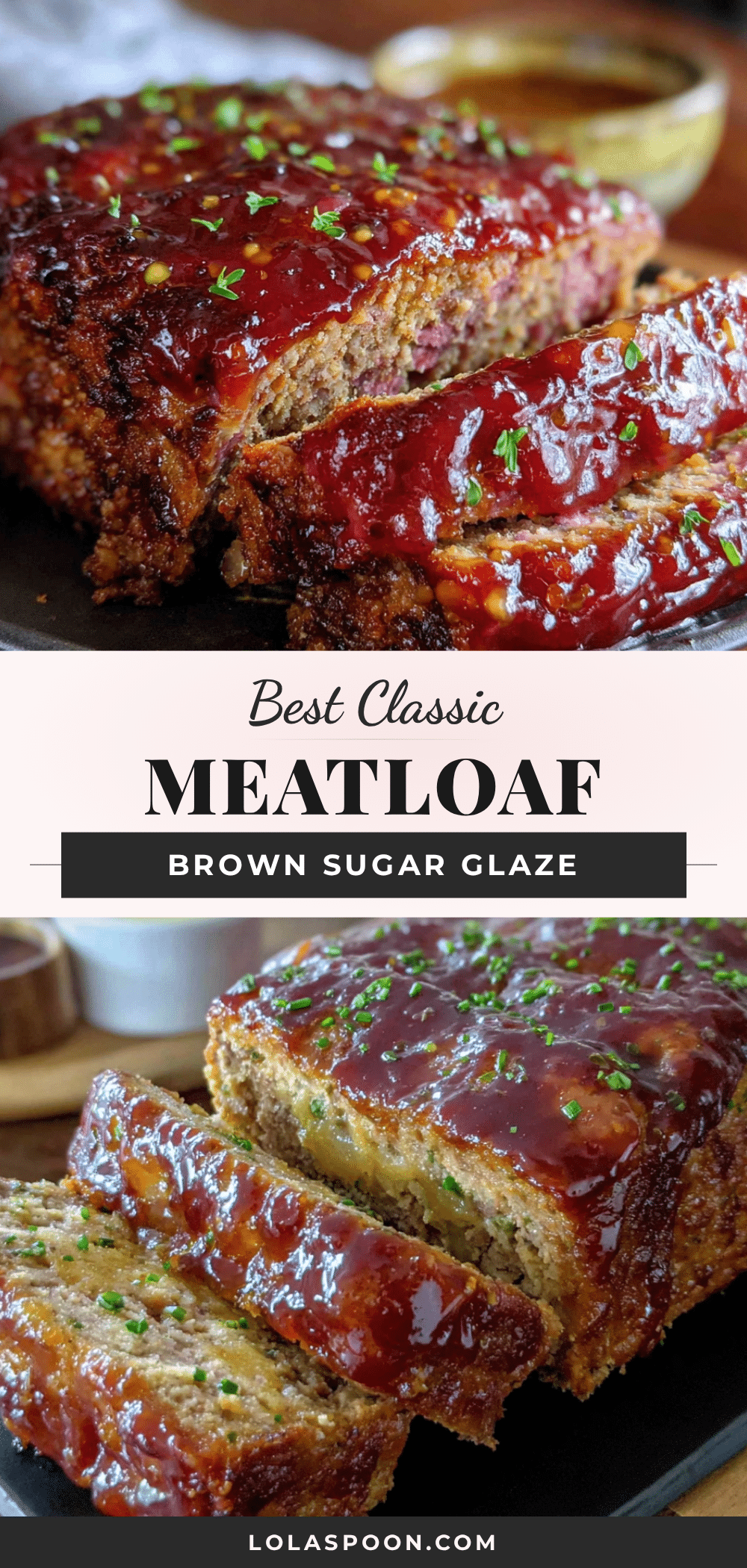
Best Classic Meatloaf with Brown Sugar Glaze: Easy 30-Min Recipe
This is the one that will make you forget every dry, flavorless loaf you’ve ever suffered through. It’s the kind of recipe that turns a humble weeknight dinner into something everyone actually looks forward to.
- Prep Time: 15 minutes
- Cook Time: 30 minutes
- Total Time: 45 minutes
- Yield: 8 servings 1x
- Category: Main Course
- Cuisine: American
Ingredients
- 2 lbs (900g) Ground Beef (80/20 blend)
- 1 cup (120g) Plain Breadcrumbs
- 1/2 cup (120ml) Whole Milk
- 1 Large Egg
- 1 Medium Yellow Onion (finely chopped)
- 2 Cloves Garlic (minced)
- 1 teaspoon Salt
- 1/2 teaspoon Black Pepper
- 1 teaspoon Dried Thyme
- 1/2 teaspoon Paprika
- 1/2 cup (100g) Packed Light Brown Sugar
- 1/4 cup (60ml) Ketchup
- 1 tablespoon Apple Cider Vinegar
- 1 teaspoon Worcestershire Sauce
Instructions
- Preheat your oven to 375°F (190°C). Finely chop your onion and mince your garlic.
- Heat a small skillet over medium heat and add a drizzle of olive oil. Add the chopped onion and cook for about 3-4 minutes, until soft and translucent. Add the minced garlic and cook for another 30 seconds until fragrant. Set aside to cool slightly.
- In your large mixing bowl, combine the breadcrumbs and milk. Stir together and let sit for about 5 minutes until the breadcrumbs absorb the milk, creating a thick paste (panade).
- To the bowl with the panade, add the ground beef, sautéed onion and garlic, egg, salt, pepper, thyme, and paprika. Use your hands to gently mix everything together until just combined. Do not overmix.
- Transfer the meat mixture to a 9×5-inch loaf pan. Press it in gently, making sure there are no air pockets.
- In a small bowl, whisk together the packed brown sugar, ketchup, apple cider vinegar, and Worcestershire sauce until smooth.
- Pour about half of the glaze over the top of the raw meatloaf and spread evenly. Reserve the other half.
- Place the loaf pan in the preheated oven and bake for 25 minutes.
- After 25 minutes, carefully remove the pan from the oven and spoon the remaining glaze over the top. Return to the oven and bake for another 5-10 minutes, until the internal temperature reaches 160°F (71°C).
- Remove from the oven and let the meatloaf rest in the pan for at least 10 minutes before slicing and serving.
Notes
Don’t overmix the meat. Use a meat thermometer for perfect doneness. Let the meatloaf rest for 10 minutes before slicing. For easier cleanup, line the loaf pan with parchment paper. This meatloaf freezes well.
Nutrition
- Serving Size: 1 slice (1/8 of loaf
- Calories: 400
- Sugar: 14
- Sodium: 600
- Fat: 22
- Saturated Fat: 8
- Carbohydrates: 22
- Fiber: 1
- Protein: 28
Keywords: meatloaf, brown sugar glaze, classic meatloaf, easy meatloaf, family dinner, comfort food