There used to be this tiny café tucked behind a used bookstore in Portland, Oregon—called “The Gathered Table”—that made a butternut squash mac and cheese that genuinely changed how I thought about comfort food. When they closed in 2020 (the owner retired to Maine, lucky her), I went through this weird phase of grief over a pasta dish. I mean, I tried recreating it that same week and ended up with a soupy, orange mess that tasted more like baby food than the velvety, nutty, utterly cozy masterpiece I remembered. After twelve tries—twelve, let me tell you—I finally cracked it. This is that recipe.
The secret, I learned the hard way, isn’t just roasting the squash until it’s sweet and caramelized. It’s about coaxing every bit of that roasty flavor into a sauce that clings to each piece of pasta like it belongs there. You know that feeling when you take a bite and everything just slows down for a second? That’s what this dish does. I remember standing in my kitchen on a rainy Tuesday, the power flickering, and scooping this into a bowl. My neighbor, a guy named Leo who usually just nods over the fence, actually knocked on my door to ask what smelled so good. That’s when I knew the obsession paid off.
Honestly, this recipe became my go-to for those evenings when only something warm and a little decadent will do. It’s not just mac and cheese—it’s a hug in a bowl, a little bit of that café magic you can make right in your own kitchen. Maybe you’ve been there, chasing a flavor from a place that’s gone? This one’s worth the chase.
Why You’ll Love This Recipe
This isn’t your average boxed mac and cheese, and it’s not some fussy, complicated affair either. It sits right in that sweet spot—impressive enough for company, simple enough for a Tuesday night. I’ve tested this version on my picky family, a group of skeptical foodie friends, and even my toddler niece, and it got the silent, happy-eating treatment every single time. That’s the highest compliment, if you ask me.
- Quick & Easy: Ready in about 45 minutes, most of which is hands-off roasting time. Perfect for a busy weeknight or a lazy Sunday.
- Simple Ingredients: No weird, hard-to-find stuff. You probably have the pasta, cheese, and spices in your pantry right now.
- Perfect for Cozy Nights: This is the ultimate cold-weather comfort food. It’s warm, creamy, and just a little sweet from the squash.
- Crowd-Pleaser: Kids love the cheesy, creamy texture, and adults appreciate the subtle, sophisticated flavor of roasted squash.
- Unbelievably Delicious: The roasted butternut squash blends into the cheese sauce so smoothly, it adds a velvety richness without being heavy. It’s next-level comfort.
What makes this recipe different from the rest? It’s the technique of roasting the squash until it’s deeply caramelized before blending it into the sauce. That extra step isn’t just for show—it concentrates the natural sugars and brings out a nutty, almost butterscotch-like flavor that you just can’t get from boiling or steaming. It’s the difference between a good mac and cheese and one that makes you close your eyes after the first bite. This is comfort food reimagined—a little healthier, a lot faster, but with the same soul-soothing satisfaction that makes you want to curl up on the couch with a big bowl.
What Ingredients You Will Need
This recipe relies on a handful of simple, wholesome ingredients that come together to create something truly special. Most of these are pantry staples, but a few key players do the heavy lifting for flavor and texture. Here’s what you’ll need and why each one matters.
For the Roasted Squash:
- 1 medium butternut squash (about 2-2.5 lbs): Peeled, seeded, and cut into 1-inch cubes. Look for one that feels heavy for its size with a firm, unblemished skin. The fresher, the sweeter.
- 2 tablespoons olive oil: Helps the squash caramelize in the oven. I prefer a good extra-virgin here, but regular works fine.
- ½ teaspoon salt: Draws out moisture and enhances the natural sweetness.
- ¼ teaspoon black pepper: A little warmth to balance the sweet squash.
For the Pasta & Cheese Sauce:
- 12 ounces (340g) cavatappi or elbow macaroni: Cavatappi is my favorite—those little spirals grab the sauce perfectly. Any short pasta works, though.
- 2 tablespoons unsalted butter: For the roux. It adds a rich, silky base to the sauce.
- 2 tablespoons all-purpose flour: Thickens the sauce without making it gluey.
- 2 cups whole milk: Room temperature is best to avoid lumps. Whole milk gives the creamiest result, but 2% works in a pinch.
- 1 cup heavy cream: For that extra-luxurious texture. You can substitute with more milk, but it won’t be as velvety.
- 1 ½ cups sharp cheddar cheese, shredded: I recommend a block of Tillamook or Cabot—pre-shredded cheese has anti-caking agents that stop it from melting smoothly.
- ½ cup grated Parmesan cheese: Adds a salty, nutty depth that cheddar alone can’t provide.
- 1 teaspoon Dijon mustard: Don’t skip this! It doesn’t make it taste like mustard; it just brightens the cheese flavor.
- ¼ teaspoon garlic powder: A whisper of savory goodness.
- ¼ teaspoon smoked paprika: Optional, but it adds a lovely subtle smokiness that pairs beautifully with the roasted squash.
For the Topping (optional but recommended):
- ½ cup panko breadcrumbs: For a crispy, golden crust.
- 2 tablespoons melted butter: To toast the panko.
- 2 tablespoons grated Parmesan: Mixes with the panko for extra flavor.
Substitution Guidance: For a gluten-free version, use gluten-free pasta and a 1:1 gluten-free flour blend for the roux. For a dairy-free option, substitute the butter with vegan butter, the milk with unsweetened oat milk, and use a high-quality dairy-free cheddar shreds. The texture will be slightly different, but still delicious.
Equipment Needed
You don’t need a professional kitchen to pull this off, but a few key tools will make the process smoother. Here’s what I use every time.
- Baking sheet: A rimmed sheet pan is perfect for roasting the squash. I prefer a half-sheet size (18×13 inches) for even roasting.
- Large pot: For boiling the pasta. You’ll also use this later to make the sauce, so a 5- to 6-quart pot is ideal.
- Blender or food processor: To puree the roasted squash into a silky smooth sauce base. A high-speed blender works best, but an immersion blender in a bowl also does the trick.
- Wooden spoon or silicone spatula: For stirring the roux and sauce without scratching your pot.
- Cheese grater: Please, for the love of all things cheesy, grate your own cheese. A box grater or the grating disc on your food processor is fine.
- 9×13-inch baking dish: For the final bake if you’re doing the crispy topping. A 3-quart casserole dish also works.
Budget-Friendly Options: If you don’t have a blender, you can mash the roasted squash very well with a potato masher or fork. The sauce won’t be as silky smooth, but it’ll still taste incredible. I’ve done it in a pinch, and honestly, a few tiny lumps just add to the rustic charm.
Preparation Method
Let’s get cooking. I’ll walk you through this step by step, with all the little tricks I’ve picked up from my twelve attempts. Take your time—this is a cozy process, not a race.
- Preheat and Prep: Preheat your oven to 400°F (200°C). Line a baking sheet with parchment paper for easy cleanup. Toss the cubed butternut squash with the olive oil, salt, and pepper directly on the sheet. Spread it in a single layer—crowding will steam it instead of roasting it.
- Roast the Squash: Roast for 25-30 minutes, flipping halfway through, until the squash is tender and the edges are nicely browned and caramelized. You want those dark spots—that’s pure flavor. Let it cool slightly for about 5 minutes.
- Cook the Pasta: While the squash roasts, bring a large pot of salted water to a boil. Cook the pasta according to package directions until al dente (usually 8-10 minutes). Drain, but reserve about 1 cup of the pasta water. Don’t rinse the pasta—you want that starch to help the sauce stick.
- Blend the Squash: Transfer the roasted squash to a blender. Add ½ cup of the reserved pasta water. Blend until completely smooth and silky. It should look like a thick, vibrant orange puree. Set aside.
- Make the Roux: In the same large pot you used for the pasta (wipe it out quickly if you need to), melt the 2 tablespoons of butter over medium heat. Once it’s foaming, whisk in the flour. Cook, stirring constantly, for 1-2 minutes. This gets rid of the raw flour taste. It should smell a little nutty.
- Build the Sauce: Slowly pour in the milk and heavy cream while whisking constantly. Keep whisking until the mixture thickens slightly, about 3-4 minutes. It should coat the back of a spoon. Lower the heat to low.
- Add the Cheese: Add the shredded cheddar and Parmesan cheese one handful at a time, stirring until each addition is fully melted before adding the next. Stir in the Dijon mustard, garlic powder, and smoked paprika. The sauce will be thick and glossy.
- Combine with Squash: Pour the smooth squash puree into the cheese sauce. Whisk until everything is beautifully combined and a uniform orange color. Taste it—yes, right now—and add a pinch more salt or pepper if needed. The sauce should be creamy and deeply flavorful.
- Mix in the Pasta: Add the drained pasta to the sauce. Stir gently until every piece is coated. If the sauce seems too thick, splash in a little of the reserved pasta water to loosen it up. You want it to be creamy, not stiff.
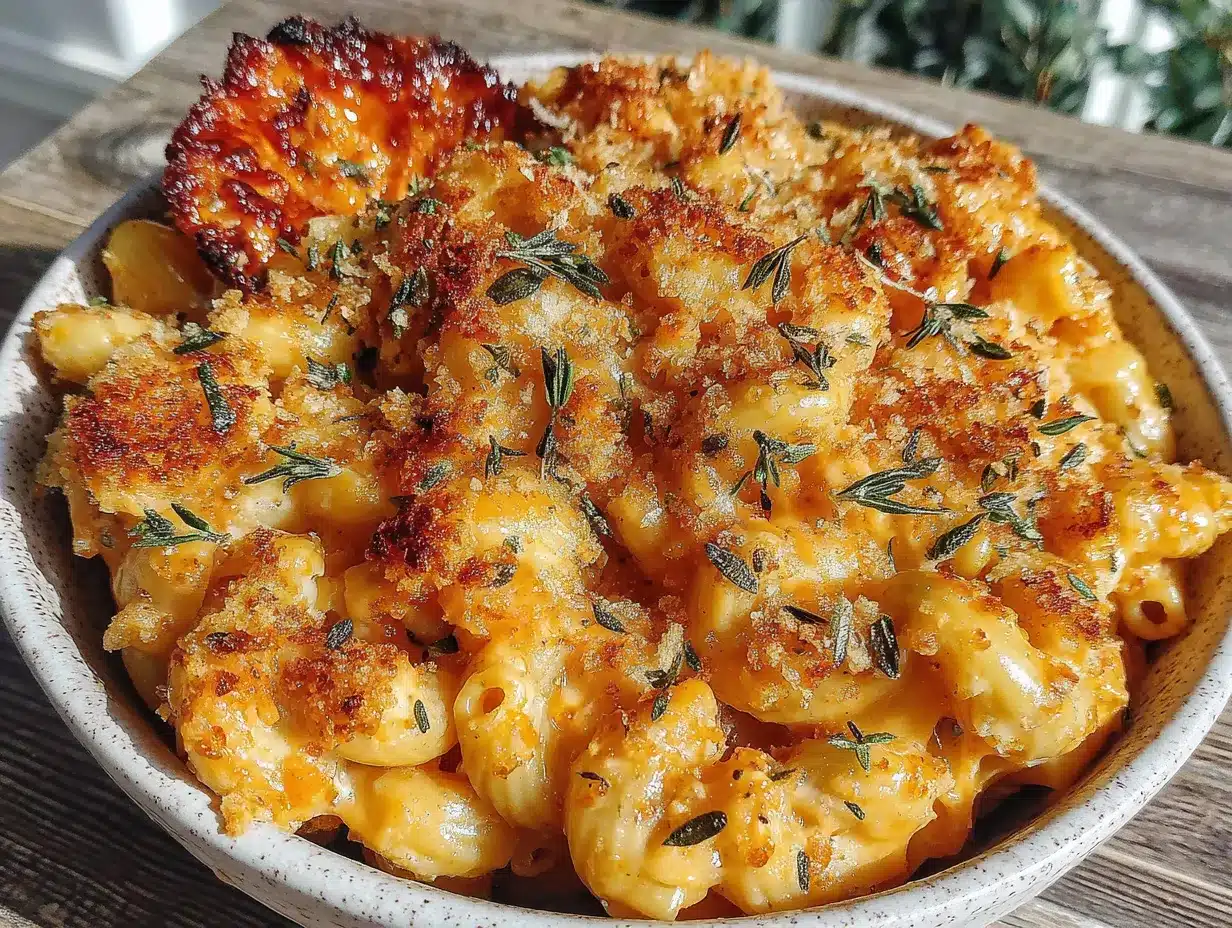
- For the Topping (Optional): If you want that crispy, golden crust, preheat your oven to 375°F (190°C). Transfer the mac and cheese to a greased 9×13-inch baking dish. In a small bowl, mix the panko breadcrumbs, melted butter, and Parmesan. Sprinkle evenly over the top. Bake for 15-20 minutes, until bubbly and the topping is golden brown.
Sensory Cue: At step 8, when you taste the sauce, you should get a rich, nutty sweetness from the squash balanced by the sharp tang of cheddar. It shouldn’t taste overly squashy—just creamy and deeply cheesy with a subtle warmth.
Cooking Tips & Techniques
I’ve made every mistake in the book with this recipe, so you don’t have to. Here are the lessons I learned the hard way.
Don’t Skip Roasting the Squash: I tried boiling the squash once to save time. Big mistake. The sauce was watery and bland. Roasting concentrates the sugars and adds that deep, caramelized flavor that makes this dish special. It’s non-negotiable.
Grate Your Own Cheese: I know it’s tempting to buy the pre-shredded bags, but they’re coated in cellulose (wood pulp, basically) to prevent clumping. That coating stops the cheese from melting smoothly, leaving you with a grainy sauce. Take the extra two minutes to grate a block—your sauce will thank you.
Low and Slow for the Sauce: When you’re melting the cheese, keep the heat on low. High heat can cause the cheese to seize up and become stringy or greasy. Patience is key here. If the sauce looks like it’s separating, whisk in a splash of cold milk to bring it back together.
Reserve That Pasta Water: This is a pro tip I picked up from a chef friend. The starchy water is liquid gold for thinning out a thick sauce without diluting the flavor. It also helps the sauce cling to the pasta better. I always save a cup, even if I don’t end up using it all.
Multitasking Strategy: While the squash is roasting, cook your pasta and grate your cheese. This way, everything is ready to go when the squash comes out. I’ve found that having all your ingredients prepped (mise en place, as the fancy chefs say) makes the whole process feel calm and manageable, not chaotic.
Variations & Adaptations
This recipe is a fantastic base for experimentation. Here are a few ways I’ve adapted it over the years, depending on my mood or what’s in the fridge.
Add Some Greens: I love stirring in a few handfuls of fresh spinach or kale right at the end of step 9. The heat from the sauce wilts them perfectly, adding color and a little nutrition. My sister-in-law calls this the “I’m an adult” version.
Spice It Up: For a kick, add a pinch of cayenne pepper or red pepper flakes to the sauce along with the paprika. I did this once when I had a cold, and the warmth was incredibly soothing. It’s not overpowering—just a gentle heat that wakes up your taste buds.
Make It Meaty: Crispy, crumbled bacon or pancetta is a fantastic addition. I’ll cook about 4 slices of bacon until crisp, crumble them, and stir half into the mac and cheese before baking, then sprinkle the rest on top. The salty, smoky crunch is a beautiful contrast to the creamy sauce.
Try Different Squash: Butternut is my go-to, but this works beautifully with roasted acorn squash, kabocha, or even sweet potatoes. Each one brings a slightly different sweetness and texture. I used a red kuri squash from my farmer’s market last fall, and it was divine—a little earthier, a little nuttier.
Dairy-Free Adaptation: I made this for a friend who’s lactose intolerant using unsweetened oat milk, vegan butter, and a dairy-free cheddar shred from Violife. I also added a tablespoon of nutritional yeast to the sauce for extra cheesy flavor. It wasn’t exactly the same, but she scraped the dish clean, so I’ll call it a win.
Serving & Storage Suggestions
This mac and cheese is best served hot, straight from the oven or pot, when it’s at its creamiest. I like to scoop it into wide, shallow bowls so every bite gets a little of that crispy topping (if you used it). A simple side salad with a bright lemon vinaigrette is the perfect counterpoint to all that richness—the acidity cuts through the creaminess beautifully.
What to Serve With It: A crisp green salad with a tangy dressing is my number one recommendation. Roasted broccoli or green beans are also fantastic—they soak up any extra sauce. For a cozy meal, I’ll sometimes serve it alongside a simple roasted chicken or some crispy garlic chicken for a protein boost. If you’re keeping it vegetarian, a bowl of this with a glass of dry white wine is a perfect dinner.
Storing Leftovers: Store any leftovers in an airtight container in the refrigerator for up to 4 days. The pasta will absorb some of the sauce as it sits, so it won’t be quite as creamy the next day, but the flavor deepens beautifully. I actually love the leftovers—they’re like a more intense, concentrated version of the original.
Reheating: The best way to reheat is on the stovetop over low heat with a splash of milk or cream to loosen the sauce. Stir gently until warmed through. You can also use the microwave, but do it in 30-second bursts, stirring in between, to avoid hot spots. For a crispy topping revival, pop it under the broiler for a minute or two.
Freezing: This mac and cheese freezes surprisingly well. Assemble it completely (including the topping) in a freezer-safe baking dish, but don’t bake it. Wrap tightly in plastic wrap and then foil. Freeze for up to 3 months. To bake from frozen, add about 20-30 minutes to the baking time, covering with foil for the first half to prevent the topping from burning.
Nutritional Information & Benefits
Let’s be real—this is still mac and cheese, so it’s not a health food. But the roasted butternut squash does bring some serious nutritional benefits to the party that you don’t get from the boxed stuff.
Estimated Nutritional Values Per Serving (1/6 of recipe):
- Calories: ~480
- Protein: 18g
- Fat: 24g
- Carbohydrates: 52g
- Fiber: 4g
- Sugar: 8g
Butternut squash is packed with vitamin A (great for your eyes and immune system), vitamin C, and fiber. The fiber from the squash helps slow down the digestion of the pasta, preventing that blood sugar spike you might get from regular mac and cheese. Plus, the calcium from the cheese and milk is good for your bones. I like to think of this as a “sneaky vegetable” dish that even the pickiest eaters will devour without complaint.
Dietary Considerations: This recipe is vegetarian. For gluten-free or dairy-free adaptations, see the variations section above. It contains dairy and gluten in its standard form.
Conclusion
This cozy roasted butternut squash mac and cheese is more than just a recipe—it’s a little piece of that lost café, recreated in my own kitchen and now in yours. It’s the kind of dish that turns an ordinary evening into something a little special, that makes you want to slow down and savor each bite. The sweetness of the roasted squash, the sharpness of the cheddar, the creamy, velvety sauce—it all comes together in a way that feels both familiar and new.
I hope you give this a try, and I hope it becomes one of your go-to comfort meals. Don’t be afraid to make it your own—add your favorite toppings, swap in a different cheese, or throw in some leftover roasted vegetables. The best recipes are the ones that evolve with you. If you make it, I’d love to hear how it turned out. Drop a comment below and tell me about your own cozy kitchen moments, or share a photo of your creation. Let’s keep the comfort food conversation going.
Frequently Asked Questions
Can I use frozen butternut squash instead of fresh?
You can, but I don’t recommend it for this recipe. Frozen squash releases a lot of water as it thaws, which can make your sauce watery and prevent proper caramelization. If you’re in a pinch, thaw and pat the frozen squash very dry before roasting, and expect a slightly less intense flavor.
Why did my cheese sauce turn out grainy?
This usually happens for one of two reasons: you used pre-shredded cheese (which has anti-caking agents), or you overheated the sauce. Always grate your own cheese from a block, and melt it over low heat, stirring constantly. If it does get grainy, whisk in a splash of cold milk or cream to help smooth it out.
Can I make this ahead of time for a party?
Absolutely! You can assemble the entire dish (without the topping) up to 24 hours in advance and keep it covered in the refrigerator. When you’re ready to bake, add the panko topping and bake as directed, adding about 5-10 minutes to the baking time since you’re starting from cold.
How do I make the sauce thicker or thinner?
If your sauce is too thick, add a splash of the reserved pasta water or milk until it reaches your desired consistency. If it’s too thin, let it simmer over low heat for a few extra minutes to reduce and thicken. Remember, the sauce will also thicken slightly as it cools and as the pasta absorbs some of it.
Can I use a different type of pasta?
Yes, absolutely! Short, sturdy pasta shapes work best because they hold up to the thick sauce. I love cavatappi, but elbows, shells, rotini, or even orecchiette are all great choices. Avoid long, delicate pasta like spaghetti or angel hair—it won’t hold the sauce as well and can become mushy.
Pin This Recipe!
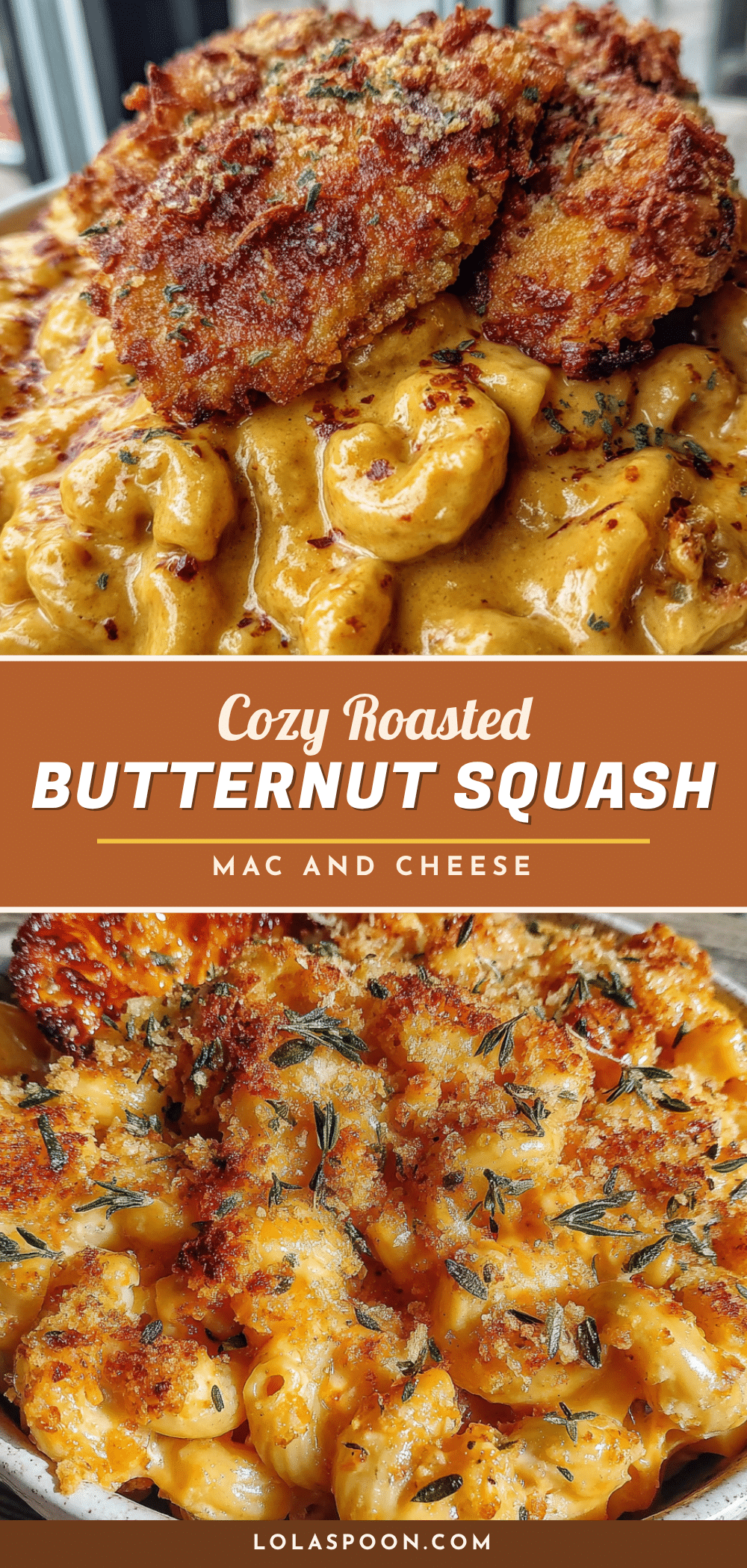
Best Easy Cozy Roasted Butternut Squash Mac and Cheese

This creamy, velvety mac and cheese features deeply caramelized roasted butternut squash blended into a rich cheese sauce. It’s a cozy, comforting dish that’s perfect for weeknights or special occasions, with a subtle sweetness and nutty flavor that elevates classic comfort food.
- Prep Time: 15 minutes
- Cook Time: 30 minutes
- Total Time: 45 minutes
- Yield: 6 servings 1x
- Category: Main Course
- Cuisine: American
Ingredients
- 1 medium butternut squash (about 2–2.5 lbs), peeled, seeded, and cut into 1-inch cubes
- 2 tablespoons olive oil
- ½ teaspoon salt
- ¼ teaspoon black pepper
- 12 ounces (340g) cavatappi or elbow macaroni
- 2 tablespoons unsalted butter
- 2 tablespoons all-purpose flour
- 2 cups whole milk, room temperature
- 1 cup heavy cream
- 1 ½ cups sharp cheddar cheese, shredded
- ½ cup grated Parmesan cheese
- 1 teaspoon Dijon mustard
- ¼ teaspoon garlic powder
- ¼ teaspoon smoked paprika (optional)
- ½ cup panko breadcrumbs (for topping, optional)
- 2 tablespoons melted butter (for topping, optional)
- 2 tablespoons grated Parmesan (for topping, optional)
Instructions
- Preheat oven to 400°F (200°C). Line a baking sheet with parchment paper. Toss cubed butternut squash with olive oil, salt, and pepper. Spread in a single layer on the baking sheet.
- Roast squash for 25-30 minutes, flipping halfway, until tender and edges are caramelized. Let cool slightly for about 5 minutes.
- While squash roasts, bring a large pot of salted water to a boil. Cook pasta according to package directions until al dente. Drain, reserving 1 cup of pasta water. Do not rinse pasta.
- Transfer roasted squash to a blender. Add ½ cup reserved pasta water. Blend until completely smooth and silky. Set aside.
- In the same large pot, melt 2 tablespoons butter over medium heat. Whisk in flour and cook, stirring constantly, for 1-2 minutes until nutty.
- Slowly pour in milk and heavy cream while whisking constantly. Cook until thickened, about 3-4 minutes. Reduce heat to low.
- Add shredded cheddar and Parmesan cheese one handful at a time, stirring until melted. Stir in Dijon mustard, garlic powder, and smoked paprika.
- Pour squash puree into cheese sauce and whisk until combined. Taste and adjust seasoning with salt and pepper if needed.
- Add drained pasta to sauce and stir gently until coated. If sauce is too thick, add a little reserved pasta water to loosen.
- For optional crispy topping: Preheat oven to 375°F (190°C). Transfer mac and cheese to a greased 9×13-inch baking dish. Mix panko, melted butter, and Parmesan; sprinkle over top. Bake for 15-20 minutes until bubbly and golden.
Notes
Don’t skip roasting the squash—it concentrates the sugars and adds deep flavor. Always grate your own cheese for a smooth sauce. Reserve pasta water to adjust sauce consistency. For gluten-free, use gluten-free pasta and flour blend. For dairy-free, use vegan butter, unsweetened oat milk, and dairy-free cheese.
Nutrition
- Serving Size: 1/6 of recipe
- Calories: 480
- Sugar: 8
- Sodium: 620
- Fat: 24
- Saturated Fat: 14
- Carbohydrates: 52
- Fiber: 4
- Protein: 18
Keywords: butternut squash mac and cheese, roasted squash mac and cheese, creamy mac and cheese, comfort food, vegetarian mac and cheese, easy mac and cheese