I had claimed for years that I hated turkey. Not in a dramatic, scene-making way — just a quiet, consistent refusal that everyone in my circle had learned to accept. “Don’t bother saving me a slice,” I’d say at Thanksgiving, pushing the cranberry sauce toward someone else. “I’m good with the sides.” And I meant it. Dry, bland, somehow always tasting like regret and overcooked obligation? No thank you. Three winters ago, on a random Tuesday when the temperature dropped to fifteen degrees and the sky looked like it was thinking about snow, I found myself staring at a single turkey breast in the butcher case at the local market. I don’t know what possessed me to buy it. Maybe it was the way the butcher, a guy named Leo who always remembers my dog’s name, said “Now that’s a nice piece for a quiet dinner.” Maybe I just wanted to prove myself wrong. So I brought it home, dug out a cast iron skillet I hadn’t used in months, and decided to try something completely different. I browned butter until it smelled like toasted hazelnuts, threw in fresh sage leaves that crackled and crisped, and figured if this failed, at least the kitchen would smell amazing.
And honestly? The power almost went out halfway through. An old space heater on the same circuit, a flickering light, and me standing there with a basting brush in one hand, convinced this was going to be another reason to hate turkey. But I kept going. I basted that breast in the brown butter and sage, let it rest way longer than I thought it needed, and when I finally cut into it — the juiciest, most flavorful piece of poultry I had ever made — I just stood there in my quiet kitchen, fork in hand, proving myself spectacularly wrong. Maybe you’ve been there, holding a grudge against a food that never got a fair chance. This turkey breast changed my mind. It might change yours too.
Why You’ll Love This Recipe
This isn’t just another turkey recipe. This is the one that makes you forget every dry, disappointing bird you’ve ever encountered. Let me tell you why this Cozy Brown Butter Sage Turkey Breast for Two is going to become your new favorite dinner.
- Perfectly Sized for Two: No more wrestling with a whole turkey or eating leftovers for two weeks. This recipe is designed for an intimate dinner for two — romantic date night, quiet anniversary, or just a Tuesday that deserves something special.
- Restaurant-Quality at Home: The brown butter and sage combination creates a flavor so rich and sophisticated, you’ll feel like you’re dining out. But you’re in your pajamas. Win-win.
- Surprisingly Simple: Despite sounding fancy, this recipe comes together with one skillet and about an hour. No brining, no trussing, no complicated techniques.
- Foolproof Juiciness: The brown butter basting keeps the meat incredibly moist. I’ve tested this more times than I care to admit, and it works every single time.
- Impressive Without Stress: Want to impress someone? This dish looks and tastes like you spent hours in the kitchen. Our little secret? It’s actually one of the easiest things you can make.
What makes this recipe different from every other turkey breast out there is the technique. Most recipes either roast the breast dry or drown it in gravy. Here, we’re using brown butter as both a cooking fat and a basting liquid, infusing every bite with that nutty, toasty flavor. The sage leaves crisp up in the butter, adding texture and that unmistakable herbal aroma. It’s comfort food reimagined — elegant enough for a special occasion but simple enough for a regular weeknight. The first time I made this for someone, they closed their eyes after the first bite. That’s the reaction you’re aiming for.
What Ingredients You Will Need
This recipe uses simple, wholesome ingredients to deliver bold flavor and satisfying texture without the fuss. Most of these are pantry staples or easy to find at any grocery store. Here’s what you’ll need:
For the Turkey Breast:
- 1 bone-in, skin-on turkey breast (about 2-2.5 pounds): This is the perfect size for two people with maybe a little leftover for sandwiches. I prefer buying from a local butcher when possible — the quality difference is noticeable. Look for one that’s plump and evenly shaped for even cooking.
- 1 tablespoon kosher salt: Don’t skimp here. Salt is what makes the meat taste like itself. I use Diamond Crystal brand — it’s less salty by volume than Morton’s, so if you’re using Morton’s, reduce to 2 teaspoons.
- 1 teaspoon black pepper, freshly ground: Freshly ground makes a real difference. Pre-ground pepper just doesn’t have the same punch.
- 1 teaspoon garlic powder: Adds savory depth without being overpowering. Not the same as fresh garlic here — we want that subtle, even distribution.
For the Brown Butter Sage Sauce:
- 4 tablespoons unsalted butter: Use unsalted so you can control the salt level. I prefer Kerrygold or any European-style butter — higher butterfat content means better browning and richer flavor.
- 12-15 fresh sage leaves: Fresh sage is non-negotiable here. Dried sage won’t give you the same texture or flavor. Look for leaves that are bright green and fragrant, not wilted or brown.
- 2 cloves garlic, smashed: Smashed, not minced. We want the garlic to infuse the butter without burning. Just press each clove with the flat side of your knife until it cracks open.
- 1/2 cup chicken or turkey stock: Use low-sodium so you can adjust seasoning. Homemade is lovely, but a good store-bought brand works fine. I like Swanson or Kitchen Basics.
- 1 tablespoon fresh lemon juice: Brightens everything up and cuts through the richness. About half a lemon.
- 1 sprig fresh rosemary (optional): Adds another layer of herbiness. Not essential, but lovely if you have it.
For Serving (Optional but Recommended):
- Fresh parsley, chopped: For garnish and a pop of color.
- Flaky sea salt: A sprinkle right before serving adds texture and a burst of saltiness. Maldon is my go-to.
Ingredient selection tip: When choosing your turkey breast, look for one that’s pink and moist-looking, with skin that’s intact and not torn. If the package has a lot of liquid pooled inside, that’s normal — just pat the breast dry before cooking. And if you can’t find a bone-in breast, boneless works too, but reduce cooking time by about 10-15 minutes and watch the internal temperature closely.
Equipment Needed
You don’t need a fancy kitchen to make this recipe. Here’s what you’ll actually use:
- Cast iron skillet (10 or 12-inch): This is my preferred pan for this recipe. It holds heat beautifully and gives you that perfect sear. If you don’t have cast iron, a heavy-bottomed stainless steel or oven-safe nonstick skillet works too. Just avoid thin pans that heat unevenly.
- Instant-read meat thermometer: Absolutely essential. Guessing doneness with turkey is a recipe for dry meat. I’ve used the same ThermoPop for years and it’s never let me down. An inexpensive digital thermometer works great too.
- Basting brush (silicone or natural): Makes basting easier and more even. A spoon works in a pinch, but a brush is better.
- Tongs: For flipping and moving the turkey. Get a pair with silicone tips if your pan is nonstick.
- Cutting board with a groove: To catch juices when you carve. Trust me on this one — I learned the hard way.
- Aluminum foil: For tenting the turkey while it rests. Resting is not optional.
- Small saucepan: For making the brown butter sauce if you want to do it separately. I usually just do it right in the skillet.
Budget-friendly tip: You don’t need the most expensive thermometer. A basic digital one from the grocery store works fine as long as it reads accurately. Test it in ice water — it should read 32°F — to make sure it’s calibrated.
Preparation Method
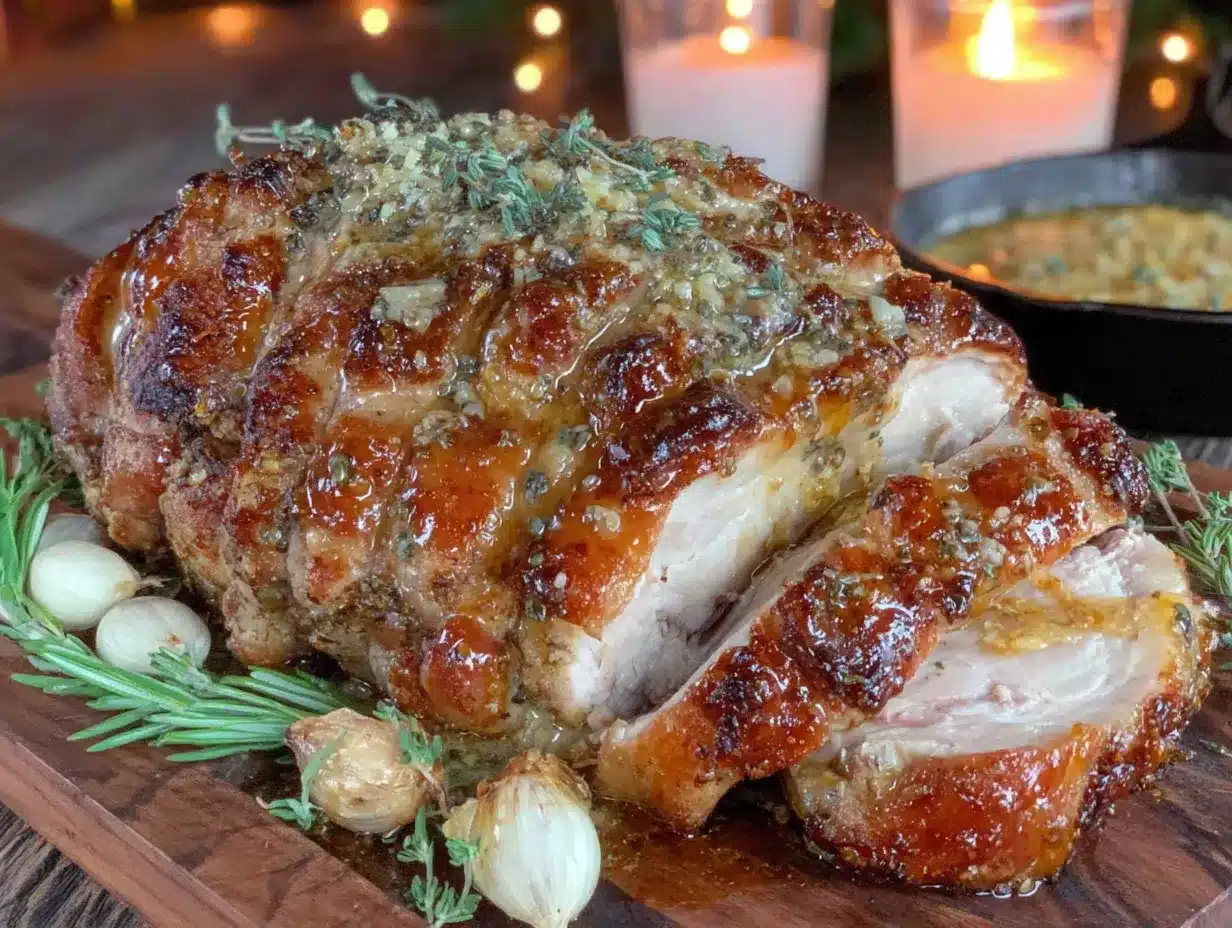
Let’s get cooking. This recipe moves from stovetop to oven, so read through everything before you start. I promise it’s easier than it sounds.
- Prep the turkey (15 minutes before cooking): Take your turkey breast out of the refrigerator and let it sit at room temperature for about 15 minutes. Pat it completely dry with paper towels — moisture is the enemy of crispy skin. In a small bowl, mix the kosher salt, black pepper, and garlic powder. Rub this mixture all over the turkey breast, including under the skin if you can gently work your fingers in there. Don’t be shy with the seasoning; a lot of it will stay in the pan.
- Preheat your oven to 375°F: Position the rack in the middle of the oven. While it’s heating, place your cast iron skillet on the stovetop over medium heat. Let it get hot for about 3-4 minutes — you want it nice and hot before adding any fat.
- Start the brown butter: Add the 4 tablespoons of butter to the hot skillet. Let it melt completely, swirling the pan occasionally. The butter will foam up, then the foam will subside, and you’ll start to see little brown specks forming at the bottom of the pan. This is the milk solids toasting — that’s where the nutty flavor comes from. Keep a close eye on it; brown butter can go from perfect to burnt in about 30 seconds. When it smells like toasted hazelnuts and has turned a golden-amber color, you’re there. This usually takes about 4-5 minutes.
- Crisp the sage: Drop your fresh sage leaves into the brown butter. They’ll sizzle and crisp up almost immediately — about 30-45 seconds. Use tongs to transfer them to a paper towel-lined plate. They’ll continue to crisp as they cool. Don’t skip this step; these crispy sage leaves are one of the best parts of the dish.
- Sear the turkey: Carefully place the seasoned turkey breast into the hot skillet, skin-side down. You should hear a satisfying sizzle. Let it sear without moving for 4-5 minutes, until the skin is deep golden brown and crispy. Use tongs to flip it over and sear the other side for 2-3 minutes. Add the smashed garlic cloves to the pan during the last minute of searing.
- Add the liquid: Pour the chicken or turkey stock into the skillet around the turkey breast. Add the lemon juice and the rosemary sprig if using. The liquid should come about halfway up the sides of the turkey breast. This creates steam in the oven that keeps the meat moist while it finishes cooking.
- Roast to perfection: Transfer the entire skillet to the preheated oven. Roast for 25-35 minutes, depending on the thickness of your breast. Here’s the most important part: start checking the internal temperature at the 20-minute mark using your instant-read thermometer. Insert it into the thickest part of the breast, avoiding the bone. You’re looking for 155°F — the temperature will continue to rise while it rests, bringing it to the safe 165°F.
- Baste halfway through: About 15 minutes into roasting, carefully pull the skillet out (use oven mitts!) and spoon the pan juices over the turkey breast. This keeps the meat extra moist and builds flavor. Return to the oven to finish cooking.
- Rest the turkey: Once the turkey hits 155°F, remove the skillet from the oven. Transfer the turkey breast to a cutting board and tent it loosely with aluminum foil. Let it rest for at least 10-15 minutes. I know it’s tempting to cut into it right away, but this rest period is crucial — it allows the juices to redistribute throughout the meat. Cut too soon and all those juices end up on the cutting board instead of in your mouth.
- Make the pan sauce: While the turkey rests, place the skillet back on the stovetop over medium heat. Remove the garlic cloves and rosemary sprig. Whisk the pan juices, scraping up any browned bits from the bottom. Let it simmer for 2-3 minutes until slightly thickened. Taste and adjust seasoning with salt and pepper. If it’s too tart from the lemon, add a tiny pinch of sugar. If it’s too rich, add a splash more stock.
- Carve and serve: Remove the foil from the resting turkey. Slice the breast against the grain into 1/2-inch thick slices. Arrange on a warm platter or individual plates. Spoon the pan sauce over the top. Crumble a few of those crispy sage leaves over everything. Sprinkle with fresh parsley and a pinch of flaky sea salt if you’re feeling fancy. Serve immediately.
Cooking Tips & Techniques
After making this recipe more times than I can count (including a few spectacular failures), here’s what I’ve learned:
Don’t rush the brown butter. The first time I tried this, I cranked the heat to high because I was impatient. The butter burned in about 90 seconds, and I had to start over. Low and slow is the way — medium heat, constant attention, and trust your nose. When it smells nutty and looks amber, you’re golden. When it smells bitter and looks dark brown, you’ve gone too far.
Pat that turkey dry. I cannot stress this enough. Wet skin won’t crisp. Wet skin won’t brown. Take an extra minute with the paper towels and really get it dry. I once skipped this step because I was in a rush, and the skin came out rubbery and pale. Never again.
Trust the thermometer, not the timer. Every oven runs differently. Every turkey breast is a different shape and size. The timer is a suggestion; the thermometer is the truth. I’ve had 2-pound breasts cook in 22 minutes and 2.5-pound breasts take 38 minutes. Don’t guess. Temp it.
Let it rest. I know I already said this, but it bears repeating. The resting period is not optional. If you cut into that turkey right out of the oven, you’ll watch all those beautiful juices pool on your cutting board. Give it the full 15 minutes. Use that time to make your sauce, set the table, pour yourself a glass of wine, and take a breath.
Multitask wisely. While the turkey roasts, you can prepare your sides. This dish pairs beautifully with mashed potatoes, roasted vegetables, or a simple green salad. The sauce can be made while the turkey rests, so your timing works out perfectly.
One mistake I made: The first time I made this, I used dried sage because that’s what I had. The leaves didn’t crisp — they just turned into sad, chewy bits. Fresh sage is absolutely worth buying for this recipe. Use the rest of the bunch in other dishes throughout the week.
Variations & Adaptations
This recipe is wonderfully adaptable. Here are some ways to make it your own:
Herb Swap: Not a sage fan? Try fresh thyme or tarragon instead. Thyme gives a more earthy, classic flavor, while tarragon adds a subtle anise note that’s beautiful with poultry. Use the same amount — about 12-15 sprigs or leaves.
Citrus Twist: Replace the lemon juice with orange juice and add a few strips of orange zest to the pan. The sweetness pairs beautifully with the brown butter. I tried this one Christmas and it was a hit.
Wine Upgrade: Swap half the chicken stock for dry white wine like Sauvignon Blanc or Pinot Grigio. The acidity cuts through the richness and adds complexity. Just let it cook off for an extra minute before adding the stock.
Spice It Up: Add a pinch of red pepper flakes or a small dried chili to the brown butter as it cooks. The subtle heat is unexpected and wonderful. Start with a tiny amount — you can always add more, but you can’t take it out.
Dairy-Free Version: Use a high-quality vegan butter for the brown butter sauce. I’ve had good results with Miyoko’s brand. The browning won’t be quite as dramatic, but the flavor is still lovely. Use olive oil for searing the turkey instead of the butter.
Gluten-Free: This recipe is naturally gluten-free as written. Just make sure your chicken stock is certified gluten-free if that’s a concern. Some brands add wheat-based thickeners.
My favorite variation: In the fall, I add a tablespoon of maple syrup to the pan sauce right at the end. The sweetness with the brown butter and sage is absolutely magical. It’s like autumn on a plate.
Serving & Storage Suggestions
This dish is best served hot, right after resting. Here’s how to make it a meal:
Serving Temperature: Serve the turkey slices warm, not piping hot. The resting period brings it to the perfect serving temperature. Spoon the hot pan sauce over the top just before serving to warm everything through.
What to Serve With It: This turkey breast pairs beautifully with creamy mashed potatoes (the sauce doubles as gravy), roasted Brussels sprouts with balsamic glaze, a simple arugula salad with lemon vinaigrette, or crusty bread to soak up every drop of that brown butter sauce. For a low-carb option, try cauliflower mash or roasted green beans.
Wine Pairing: A buttery Chardonnay or a light Pinot Noir works beautifully. The richness of the brown butter calls for something with enough body to stand up to it. I personally love a good Oregon Pinot Noir with this dish.
Storage: Store leftover turkey in an airtight container in the refrigerator for up to 4 days. The sauce can be stored separately for up to 3 days. The crispy sage leaves will lose their crunch, so save those for immediate enjoyment.
Reheating: The best way to reheat leftover turkey is gently. Place slices in a skillet with a splash of chicken stock or water, cover, and warm over low heat for 5-7 minutes. This prevents the meat from drying out. Alternatively, reheat in a 300°F oven covered with foil for about 10 minutes. Microwave is not recommended — it will make the turkey tough and rubbery.
Freezing: Cooked turkey breast freezes well for up to 3 months. Slice it first, then wrap tightly in plastic wrap and foil. Thaw overnight in the refrigerator and reheat gently. The sauce can also be frozen separately in a freezer bag.
Flavor Development: Interestingly, the flavors actually deepen after a day in the refrigerator. Leftover turkey in this sauce makes an incredible sandwich the next day — I like it on sourdough with a little arugula and a smear of the cold pan sauce. Don’t knock it until you’ve tried it.
Nutritional Information & Benefits
Here’s the nutritional breakdown for one serving (about 6 ounces of cooked turkey breast with sauce):
| Nutrient | Amount Per Serving |
|---|---|
| Calories | 385 |
| Protein | 42g |
| Fat | 22g |
| Saturated Fat | 12g |
| Carbohydrates | 3g |
| Fiber | 0g |
| Sugar | 1g |
| Sodium | 680mg |
Turkey breast is an excellent source of lean protein, which supports muscle health and keeps you feeling full and satisfied. It’s also rich in B vitamins, particularly B6 and B12, which are important for energy metabolism and brain function. Sage contains antioxidants and has anti-inflammatory properties — it’s been used in traditional medicine for centuries. Brown butter, while not exactly a health food, provides a small amount of vitamin A and healthy fats that help your body absorb fat-soluble vitamins from other foods.
Dietary Considerations: This recipe is naturally gluten-free, low-carb, and keto-friendly. It contains dairy from the butter, but can be made dairy-free with substitutions. If you’re watching sodium, reduce the added salt and use low-sodium stock.
Personal Wellness Perspective: I believe in balance. This dish is rich and indulgent, but it’s also made with whole, real ingredients. It’s the kind of meal that nourishes both body and soul — especially when shared with someone you love on a quiet evening.
Conclusion
This Cozy Brown Butter Sage Turkey Breast for Two has become my go-to when I want to make something that feels special without spending all day in the kitchen. It’s the recipe that proved me wrong about turkey, and it might just do the same for you. The combination of nutty brown butter, crispy sage, and perfectly cooked turkey is simple enough for a Tuesday but elegant enough for a celebration.
I love this recipe because it reminds me that sometimes the best dishes come from challenging our own assumptions. You don’t need a whole bird, a complicated brine, or hours of effort to make something truly memorable. Just good ingredients, a little patience, and the willingness to try something new.
I’d love to hear how this turns out for you. Did you make any substitutions? Serve it with something amazing? Have your own turkey conversion story? Drop a comment below and let me know. And if you’re looking for more cozy dinners for two, check out our pan-seared salmon with lemon butter sauce or our one-pan rosemary garlic chicken thighs — both perfect for a quiet night in. Happy cooking, friends. You’ve got this.
Frequently Asked Questions
Can I use a boneless turkey breast instead?
Absolutely. Boneless turkey breast will cook faster — start checking the temperature at 15 minutes. The bone adds flavor and helps retain moisture, so if you go boneless, be extra careful not to overcook it. Aim for 155°F internal temperature and let it rest.
Can I make this recipe for more than two people?
Yes, just scale up the ingredients. For 4 people, use a 3-4 pound turkey breast and increase the butter to 6 tablespoons and the stock to 3/4 cup. Cooking time will increase slightly — use your thermometer to guide you. You’ll need a larger skillet or roasting pan.
What if I don’t have a cast iron skillet?
No problem! Use any oven-safe skillet — stainless steel works great. If you don’t have an oven-safe skillet, sear the turkey in a regular pan, then transfer it to a baking dish for roasting. Just deglaze the searing pan with the stock and pour that into the baking dish.
Can I prep anything ahead of time?
You can season the turkey breast up to 24 hours in advance and keep it covered in the refrigerator. This actually improves the flavor and helps the skin dry out for better crisping. Just take it out 15 minutes before cooking to let it come to room temperature. The sage leaves can be washed and dried ahead of time too.
My turkey breast came out dry. What went wrong?
Most likely, it was overcooked. Turkey breast is lean and dries out quickly past 165°F. Always use a thermometer and pull it at 155°F — the carryover cooking during the rest will bring it to a safe 165°F without drying it out. Also, make sure you’re basting halfway through roasting and letting it rest for the full 15 minutes.
Pin This Recipe!
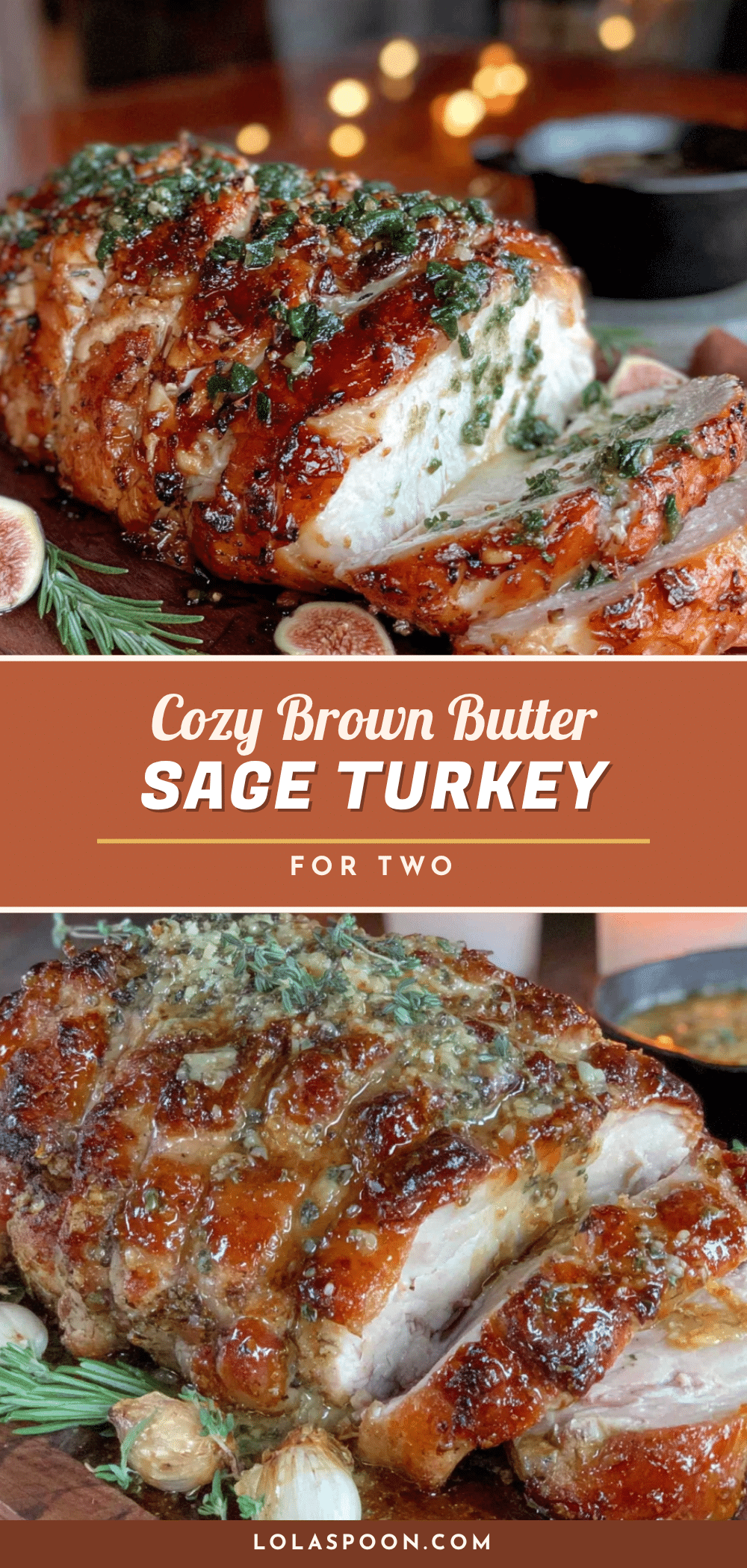
Cozy Brown Butter Sage Turkey Breast for Two – Easy Date Night Dinner

This Cozy Brown Butter Sage Turkey Breast for Two is the perfect date night dinner. Nutty brown butter and crispy sage transform a simple turkey breast into a restaurant-quality meal that’s surprisingly easy to make.
- Prep Time: 15 minutes
- Cook Time: 35 minutes
- Total Time: 50 minutes
- Yield: 2 servings 1x
- Category: Main Course
- Cuisine: American
Ingredients
- 1 bone-in, skin-on turkey breast (about 2–2.5 pounds)
- 1 tablespoon kosher salt
- 1 teaspoon black pepper, freshly ground
- 1 teaspoon garlic powder
- 4 tablespoons unsalted butter
- 12–15 fresh sage leaves
- 2 cloves garlic, smashed
- 1/2 cup chicken or turkey stock, low-sodium
- 1 tablespoon fresh lemon juice
- 1 sprig fresh rosemary (optional)
- Fresh parsley, chopped (for garnish)
- Flaky sea salt (for garnish)
Instructions
- Prep the turkey (15 minutes before cooking): Take your turkey breast out of the refrigerator and let it sit at room temperature for about 15 minutes. Pat it completely dry with paper towels. In a small bowl, mix the kosher salt, black pepper, and garlic powder. Rub this mixture all over the turkey breast, including under the skin if possible.
- Preheat your oven to 375°F. Position the rack in the middle of the oven. Place your cast iron skillet on the stovetop over medium heat and let it get hot for about 3-4 minutes.
- Start the brown butter: Add the 4 tablespoons of butter to the hot skillet. Let it melt completely, swirling the pan occasionally. The butter will foam, then the foam will subside, and you’ll see little brown specks forming at the bottom. When it smells like toasted hazelnuts and has turned a golden-amber color (about 4-5 minutes), it’s ready.
- Crisp the sage: Drop the fresh sage leaves into the brown butter. They’ll sizzle and crisp up in about 30-45 seconds. Use tongs to transfer them to a paper towel-lined plate.
- Sear the turkey: Carefully place the seasoned turkey breast into the hot skillet, skin-side down. Sear without moving for 4-5 minutes until the skin is deep golden brown. Flip and sear the other side for 2-3 minutes. Add the smashed garlic cloves during the last minute of searing.
- Add the liquid: Pour the chicken or turkey stock into the skillet around the turkey breast. Add the lemon juice and the rosemary sprig if using.
- Roast to perfection: Transfer the entire skillet to the preheated oven. Roast for 25-35 minutes, checking the internal temperature at the 20-minute mark. Insert an instant-read thermometer into the thickest part of the breast, avoiding the bone. You’re looking for 155°F.
- Baste halfway through: About 15 minutes into roasting, carefully pull the skillet out and spoon the pan juices over the turkey breast. Return to the oven to finish cooking.
- Rest the turkey: Once the turkey hits 155°F, remove the skillet from the oven. Transfer the turkey breast to a cutting board and tent it loosely with aluminum foil. Let it rest for at least 10-15 minutes.
- Make the pan sauce: While the turkey rests, place the skillet back on the stovetop over medium heat. Remove the garlic cloves and rosemary sprig. Whisk the pan juices, scraping up any browned bits. Let it simmer for 2-3 minutes until slightly thickened. Taste and adjust seasoning with salt and pepper.
- Carve and serve: Remove the foil from the resting turkey. Slice the breast against the grain into 1/2-inch thick slices. Arrange on a warm platter or individual plates. Spoon the pan sauce over the top. Crumble a few crispy sage leaves over everything. Sprinkle with fresh parsley and a pinch of flaky sea salt. Serve immediately.
Notes
Don’t rush the brown butter; medium heat and constant attention are key. Pat the turkey dry for crispy skin. Trust the thermometer, not the timer. Let the turkey rest for at least 10-15 minutes. Fresh sage is non-negotiable for crispy leaves.
Nutrition
- Serving Size: 6 ounces cooked turk
- Calories: 385
- Sugar: 1
- Sodium: 680
- Fat: 22
- Saturated Fat: 12
- Carbohydrates: 3
- Protein: 42
Keywords: turkey breast, brown butter, sage, date night dinner, easy dinner, cast iron skillet, turkey for two