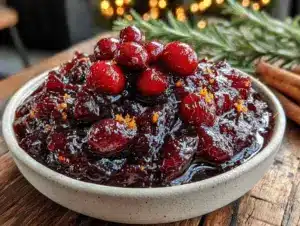
I was standing in the produce aisle of our local grocery store last January, staring at a bin of pomegranates like they held the secrets to the universe. The fluorescent lights were doing that thing where everything looks slightly sad and grey, and I was honestly just trying to get through the weekly shopping without buying another bag of frozen chicken nuggets. Then this woman walked past me with her cart, and a kid—maybe four years old—was sitting in the seat, happily munching on a slice of orange. Not a clementine. A full-on, peel-and-all slice of navel orange. And the smell hit me. That sharp, sweet, almost piney burst of citrus that cuts through winter like nothing else. Suddenly I was eight years old at my Aunt Rosa’s kitchen table, watching her slice blood oranges into perfect little wheels, the juice pooling on the cutting board like tiny rubies. She’d let me sneak the slices before they even made it to the bowl. She passed away three years ago, and I haven’t made her winter salad since. But right there, in the middle of aisle four, I decided this was the week. I’d recreate that bright, beautiful mess of a salad—the one that somehow got me, a picky kid, to eat something that wasn’t beige. Honestly, maybe you’ve been there. That moment when a random smell or taste just yanks you back to a specific person and a specific kitchen. That’s what this salad is for me. And now, it’s what I make for my own kids, who actually fight over the pomegranate seeds. Let me tell you, that’s a parenting win I’ll take any day.
Why You’ll Love This Recipe
This bright winter citrus pomegranate salad isn’t just another pretty bowl of fruit. It’s the kind of recipe that solves actual problems for anyone feeding a family on a budget. I’ve tested this exact combination at least a dozen times—sometimes with different citrus, sometimes with whatever greens I had hanging around—and it always delivers. Here’s what makes it special:
- Budget-Friendly & Smart: Winter citrus is actually at its cheapest from December through March. You can grab bags of oranges and grapefruits for pennies compared to summer berries. Pomegranates are often on sale during the holidays too. This salad costs less than a fast-food run but feeds the whole family.
- Kid-Approved (Seriously): I know, I know. Getting kids to eat salad is like negotiating peace in the Middle East. But the sweetness of the citrus and the fun little “pop” of pomegranate seeds? My kids call them “juice bombs” and actually ask for this. I’m not kidding.
- Comes Together in 15 Minutes: No cooking, no complicated steps. You can literally make this while your kids are hanging off your leg asking for a snack. It’s that fast.
- Perfect for Winter Gatherings: Holiday dinners, Super Bowl parties, or just a Tuesday night when you need something bright on the table. The colors alone make people happy.
- Leftovers That Don’t Get Sad: Unlike leafy salads that turn into a soggy mess, this one actually holds up. The citrus stays firm, and the pomegranate seeds don’t wilt. It’s magic.
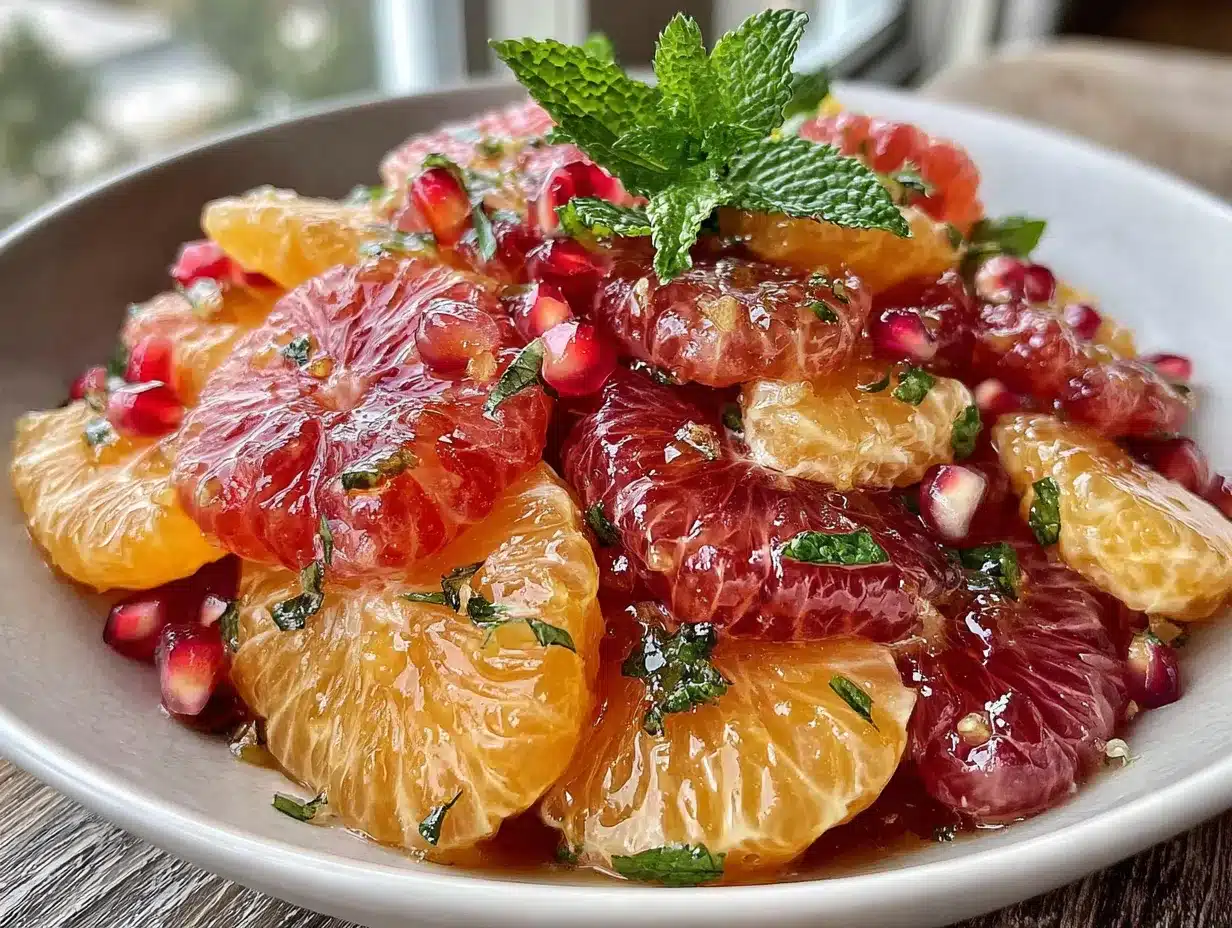
What makes this recipe different from every other winter salad out there? It’s the balance. The way the tartness of the pomegranate plays off the sweet citrus, with just a hint of something savory from the dressing. It’s not just a fruit salad—it’s a proper side dish that makes a simple meal feel special. And honestly? It’s the kind of recipe that makes you close your eyes after the first bite. Comfort food for the winter blues, but healthier and faster than anything you’d expect.
What Ingredients You Will Need
This recipe uses simple, honest ingredients that you can find at any grocery store without breaking the bank. The beauty of this bright winter citrus pomegranate salad is that it’s flexible—you can swap things out based on what’s on sale or what your family actually eats.
For the Salad Base
- 3 large navel oranges (or any sweet orange—Cara Cara or blood oranges work beautifully too)
- 2 large grapefruits (pink or ruby red are sweeter and less bitter than white)
- 1 large pomegranate (look for one that feels heavy for its size—that means more juice inside)
- 4 cups mixed greens (I use a spring mix or baby spinach—whatever’s cheapest that week)
- 1/2 small red onion, thinly sliced (optional, but adds a nice bite if your family likes it)
For the Simple Dressing
- 3 tablespoons extra-virgin olive oil (a good quality one makes a difference here)
- 2 tablespoons fresh orange juice (squeeze it from one of the oranges you’re already using)
- 1 tablespoon honey (or maple syrup if you want it vegan—my kids don’t notice the difference)
- 1 teaspoon Dijon mustard (helps emulsify the dressing and adds a little tang)
- Salt and black pepper to taste
Optional Add-Ins
- 1/4 cup toasted almonds or pecans (for crunch—I buy the big bags at Costco and keep them in the freezer)
- 2 tablespoons crumbled feta or goat cheese (if your budget allows and your kids eat cheese—mine do)
- 1/4 cup dried cranberries (adds extra sweetness and color, and they’re usually cheap this time of year)
I recommend using whatever citrus looks best at your store. Sometimes the blood oranges are $1 more per pound than regular navels, and honestly, the salad works great with just the basics. For the pomegranate, I’ve tried a few brands, and honestly, the ones with the bright red skin tend to be sweeter. If you’re not sure how to pick one, just grab one that feels heavy and has firm, tight skin. That’s the trick.
One thing I’ve learned the hard way: don’t skip the honey in the dressing. It balances the tartness of the grapefruit and pomegranate perfectly. If you’re out of honey, agave works too, but it’s a little thinner.
Equipment Needed
You don’t need fancy gadgets for this bright winter citrus pomegranate salad. Here’s what I use:
- A sharp chef’s knife (for cutting the citrus—a dull knife will squish the fruit and make a mess)
- A cutting board (preferably one with a juice groove to catch all that beautiful citrus juice)
- A large mixing bowl (big enough to toss everything without spilling)
- A small jar or bowl for the dressing (I use a mason jar with a lid—shake it up and you’re done)
- A citrus zester (optional, but nice if you want to add a little orange zest to the dressing)
- A wooden spoon or salad servers (for gentle tossing)
If you don’t have a citrus zester, you can use the fine side of a box grater. And if you’re really in a pinch, just skip the zest—it’s not a dealbreaker. I’ve made this salad with just a butter knife and a bowl before, and it still turned out great. The most important tool is patience when you’re peeling the pomegranate. I’ll share my trick for that in the method section.
Preparation Method
Let me walk you through this step by step. I promise it’s easier than it looks, and once you do it once, you’ll have it memorized.
- Prep the pomegranate first (5 minutes): This is the part that scares everyone, but I’ve got a foolproof method. Cut the pomegranate in half crosswise (through the middle, not from stem to stem). Hold one half over a large bowl, cut side down, and whack the back of it with a wooden spoon. Seriously. Just hit it firmly a few times. The seeds will rain down into the bowl like magic. Pick out any white pith pieces that fall in. This method is way less messy than trying to pick the seeds out by hand. I learned it from a cooking class years ago, and it’s never failed me.
- Segment the citrus (10 minutes): Cut a thin slice off the top and bottom of each orange and grapefruit so they sit flat on the cutting board. Then, working from top to bottom, slice off the peel and white pith in strips, following the curve of the fruit. You want to expose the flesh completely. Once the peel is off, hold the fruit in your hand over a bowl and cut between the membranes to release each segment. This is called “supreming,” and it sounds fancy, but it’s just cutting the fruit into pretty, seedless pieces. Don’t stress if some segments break—they’ll still taste amazing. Squeeze the leftover membranes over the bowl to get every last drop of juice. That juice goes into your dressing.
- Make the dressing (2 minutes): In a small jar or bowl, combine the olive oil, 2 tablespoons of the reserved citrus juice, honey, Dijon mustard, and a pinch of salt and pepper. Put the lid on the jar and shake it like crazy, or whisk it in a bowl until it’s smooth and emulsified. Taste it and adjust—if it’s too tart, add a little more honey. If it’s too sweet, add a splash more citrus juice. This is your salad, so make it taste the way you like it.
- Assemble the salad (3 minutes): In your large mixing bowl, add the mixed greens. If you’re using red onion, add that too. Pour about half the dressing over the greens and toss gently to coat. You don’t want to drown the greens—just give them a light coating. Add the citrus segments and pomegranate seeds on top. Drizzle the remaining dressing over everything. If you’re adding nuts or cheese, sprinkle them on now.
- Serve immediately or chill (0-30 minutes): This salad is best served within 30 minutes of assembling, but it actually holds up pretty well for a few hours in the fridge. The citrus doesn’t get soggy, and the greens stay crisp if you don’t overdress them. If you’re making it ahead for a party, keep the dressing separate and add it just before serving.
A few things I’ve learned the hard way: don’t toss the salad too aggressively, or the citrus segments will break apart. Use a gentle folding motion instead. And if you’re serving this to kids, you can cut the citrus segments into smaller bite-sized pieces. My youngest prefers them that way—less intimidating, I guess.
Cooking Tips & Techniques
Over the years, I’ve made this bright winter citrus pomegranate salad more times than I can count. Here are the things I wish someone had told me from the start:
Pick the right pomegranate. I once bought a pomegranate that was all dried out inside—total waste of money. Now I always give it a gentle squeeze. It should feel firm but have a little give, like a ripe avocado. And the heavier it feels, the juicier it is. If you’re not sure, just pick the heaviest one in the bin.
Don’t skip the pith removal. I know it’s tempting to just slice the oranges into rounds and call it a day. But the white pith is bitter, and it’ll ruin the sweet, bright flavor of the salad. Take the extra five minutes to peel it all off. Your taste buds will thank you.
Balance the bitterness. Grapefruit can be hit or miss—sometimes it’s sweet, sometimes it’s sour and bitter. If you get a particularly tart grapefruit, add a little extra honey to the dressing. Or swap it out for a second orange if your family isn’t into grapefruit. My kids prefer all-orange salad, so I sometimes make a batch just for them and add grapefruit for the adults.
Toast your nuts. If you’re adding almonds or pecans, toast them in a dry skillet over medium heat for 3-4 minutes until they smell nutty and fragrant. It takes almost no time and makes a huge difference in flavor. Just watch them closely—they burn fast.
Make it a meal. This salad is great as a side, but I’ve also turned it into a main dish by adding grilled chicken or shrimp. The citrus pairs beautifully with savory proteins. It’s also amazing with leftover roasted chicken from the night before—just shred it and toss it in.
Variations & Adaptations
One of the best things about this bright winter citrus pomegranate salad is how flexible it is. Here are some ways I’ve adapted it over the years:
Dairy-Free/Vegan: Skip the cheese and use maple syrup instead of honey in the dressing. It’s still delicious and creamy from the olive oil. I’ve made it this way for friends with dairy allergies, and nobody missed the cheese.
Low-Sugar: If you’re watching your sugar intake, you can reduce the honey in the dressing or leave it out entirely. The citrus and pomegranate are sweet enough on their own. I sometimes use a squeeze of lemon juice instead of honey for a tangier dressing.
Add Some Greens: I’ve made this with arugula (adds a peppery kick), kale (more hearty and holds up better in the fridge), and even shredded Brussels sprouts (surprisingly good). Each green gives the salad a different personality. My personal favorite is a mix of baby spinach and arugula.
Seasonal Swaps: In the spring, I add sliced strawberries and swap the pomegranate for fresh blueberries. In the summer, I use peaches and nectarines instead of citrus. But honestly, winter is when this salad really shines. The citrus is at its peak, and the pomegranates are everywhere.
Herb It Up: A handful of fresh mint or basil adds a whole new dimension. I tried it with mint once on a whim, and now I never make it without. The cool, fresh flavor pairs perfectly with the citrus. If you have fresh herbs in your fridge, throw some in.
Serving & Storage Suggestions
This bright winter citrus pomegranate salad is best served cold or at room temperature. I like to serve it in a wide, shallow bowl so all the colors show off. It’s perfect alongside roasted chicken, grilled fish, or even a simple pasta dish. For holiday dinners, it adds a pop of color to the table that makes everything feel festive.
If you’re making it ahead, here’s my advice: prep all the components separately and assemble just before serving. The citrus segments and pomegranate seeds can be stored in an airtight container in the fridge for up to 2 days. The dressing keeps for about a week in a jar. The greens should stay dry and separate until the last minute.
Leftovers actually hold up better than you’d think. The citrus stays firm, and the pomegranate seeds don’t get mushy. If you have leftovers, store them in an airtight container in the fridge for up to 2 days. The greens might wilt a little, but it’s still tasty. I’ve even eaten it the next day for lunch straight from the container—no judgment here.
For reheating? Don’t. This salad is meant to be cold. If you want to use it in a warm dish, try adding the citrus and pomegranate to a grain bowl or warm quinoa. That’s a whole different recipe, but it’s delicious.
Nutritional Information & Benefits
This bright winter citrus pomegranate salad isn’t just pretty—it’s packed with good stuff. Here’s a rough estimate per serving (based on 6 servings, without nuts or cheese):
- Calories: ~150
- Fat: 8g (mostly from the olive oil)
- Carbohydrates: 20g
- Fiber: 4g
- Sugar: 14g (natural from fruit and honey)
- Protein: 2g
- Vitamin C: 80% of your daily needs (from the citrus)
- Vitamin A: 30% of your daily needs (from the greens)
The health benefits here are no joke. Oranges and grapefruits are loaded with vitamin C, which is exactly what you need during cold and flu season. Pomegranates are packed with antioxidants that help fight inflammation. And the olive oil provides healthy fats that help your body absorb all those fat-soluble vitamins from the greens.
This salad is naturally gluten-free, dairy-free (if you skip the cheese), and can easily be made vegan. The only potential allergen is the nuts if you add them, but that’s optional. It’s also low in sodium and high in fiber, which makes it a great choice for anyone watching their heart health.
I personally love that this salad makes me feel like I’m doing something good for my family without them even noticing. They just think they’re eating something delicious.
Conclusion
This bright winter citrus pomegranate salad is more than just a recipe—it’s a little piece of sunshine in the middle of winter. It’s the kind of dish that makes you forget about the grey skies and cold temperatures, if only for a few minutes. And honestly? It’s proof that you don’t need expensive ingredients or complicated techniques to make something truly special.
I hope you give this salad a try, and I hope you make it your own. Add more citrus, skip the onion, throw in some nuts—whatever makes your family happy. That’s the beauty of cooking, right? It’s not about following rules. It’s about making something that tastes good and brings people together.
If you make this, I’d love to hear about it. Drop a comment below and tell me how it turned out, or share your own twist on it. And if your kids love it as much as mine do, well, that’s a win worth celebrating. Happy cooking, friends!
Frequently Asked Questions
Can I make this salad ahead of time?
Yes, but I recommend prepping the components separately and assembling just before serving. The citrus segments and pomegranate seeds can be stored in the fridge for up to 2 days, and the dressing keeps for about a week. The greens should stay dry until the last minute to avoid wilting.
How do I pick a good pomegranate?
Look for one that feels heavy for its size—that means it’s full of juice. The skin should be firm and tight, not soft or wrinkled. A bright red color is a good sign, but some varieties are more pinkish. Give it a gentle squeeze; it should have a little give but not feel mushy.
Can I use bottled citrus juice instead of fresh?
I really don’t recommend it. Fresh citrus juice has a brightness and flavor that bottled juice just can’t match. Plus, you’re already using fresh oranges and grapefruits for the salad, so squeezing a little extra for the dressing takes almost no effort. Trust me, it’s worth it.
What if my kids don’t like grapefruit?
No problem at all! Just use all oranges instead. Navel oranges, Cara Cara, blood oranges—any sweet orange will work. You can also add a little extra honey to the dressing to balance any tartness. My kids prefer all-orange salad, so I often make a separate batch for them.
How long does this salad last in the fridge?
Assembled salad will keep for about 2 days in an airtight container. The greens might wilt a little, but the citrus and pomegranate hold up well. If you’re planning to have leftovers, I recommend storing the dressing separately and adding it just before eating. That way the greens stay crisper longer.
Pin This Recipe!
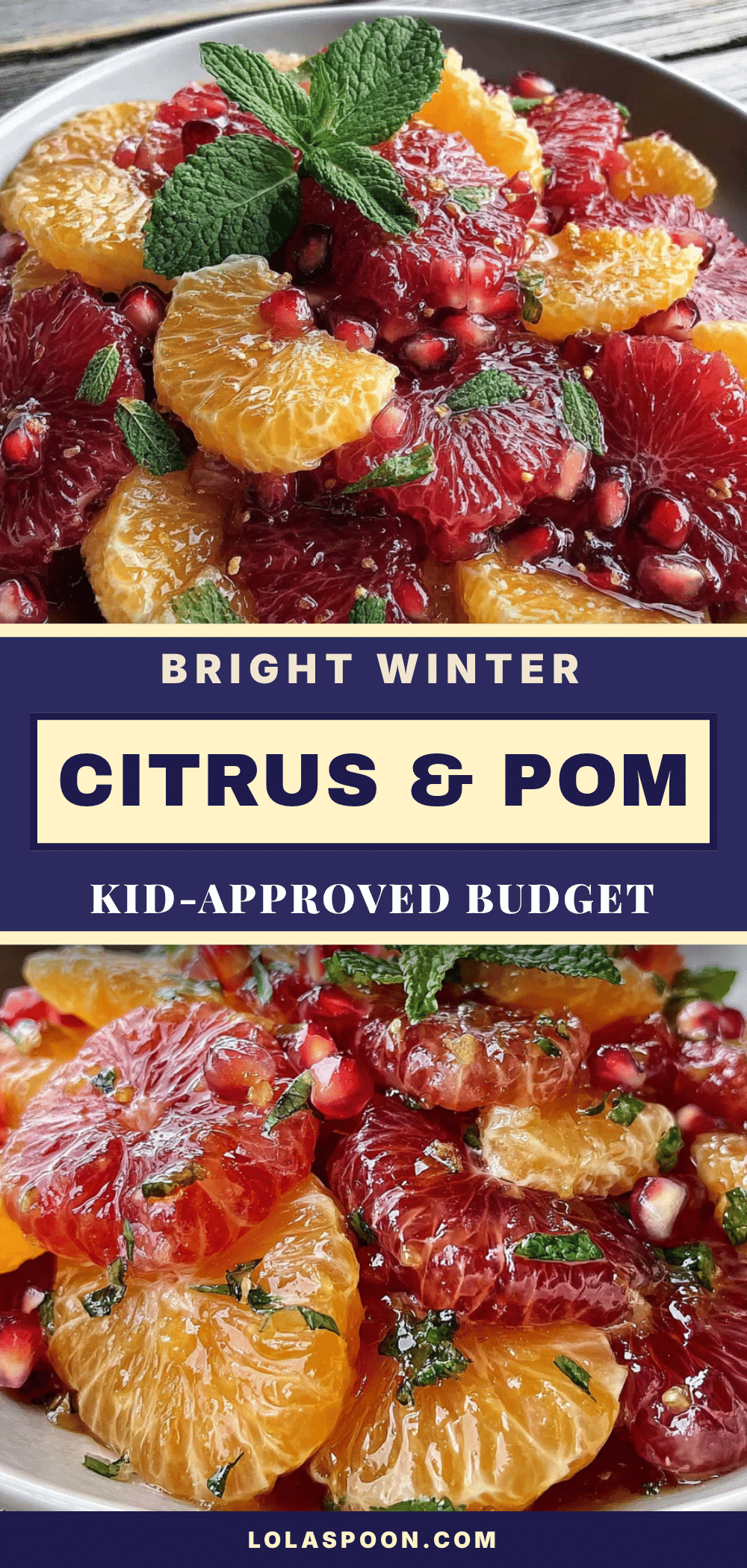
Bright Winter Citrus Pomegranate Salad
A bright, beautiful winter salad featuring sweet citrus and pomegranate seeds with a simple honey-Dijon dressing. It’s budget-friendly, kid-approved, and comes together in just 15 minutes.
- Prep Time: 15 minutes
- Cook Time: 0 minutes
- Total Time: 15 minutes
- Yield: 6 servings 1x
- Category: Salad
- Cuisine: American
Ingredients
- 3 large navel oranges (or Cara Cara or blood oranges)
- 2 large grapefruits (pink or ruby red)
- 1 large pomegranate
- 4 cups mixed greens (spring mix or baby spinach)
- 1/2 small red onion, thinly sliced (optional)
- 3 tablespoons extra-virgin olive oil
- 2 tablespoons fresh orange juice
- 1 tablespoon honey (or maple syrup for vegan)
- 1 teaspoon Dijon mustard
- Salt and black pepper to taste
- 1/4 cup toasted almonds or pecans (optional)
- 2 tablespoons crumbled feta or goat cheese (optional)
- 1/4 cup dried cranberries (optional)
Instructions
- Prep the pomegranate: Cut the pomegranate in half crosswise. Hold one half cut side down over a large bowl and whack the back with a wooden spoon until seeds fall out. Pick out any white pith.
- Segment the citrus: Cut off the top and bottom of each orange and grapefruit. Slice off the peel and white pith in strips. Hold the fruit over a bowl and cut between the membranes to release segments. Squeeze the membranes for juice to use in the dressing.
- Make the dressing: In a small jar or bowl, combine olive oil, 2 tablespoons reserved citrus juice, honey, Dijon mustard, salt, and pepper. Shake or whisk until emulsified. Adjust sweetness or tartness to taste.
- Assemble the salad: In a large bowl, add mixed greens and red onion (if using). Drizzle with half the dressing and toss gently. Top with citrus segments and pomegranate seeds. Drizzle remaining dressing over the top. Add nuts or cheese if desired.
- Serve immediately or chill for up to 30 minutes. For best results, serve within 30 minutes of assembling.
Notes
For best results, use fresh citrus juice in the dressing. If grapefruit is tart, add extra honey. Toast nuts in a dry skillet for 3-4 minutes for better flavor. The salad holds up well for leftovers if stored in an airtight container for up to 2 days.
Nutrition
- Serving Size: 1 serving (about 1.5
- Calories: 150
- Sugar: 14
- Sodium: 50
- Fat: 8
- Saturated Fat: 1
- Carbohydrates: 20
- Fiber: 4
- Protein: 2
Keywords: winter salad, citrus salad, pomegranate salad, kid-friendly, easy salad, holiday salad, healthy salad