My neighbor, an older Italian woman named Rosa, watched me fumbling with a bag of lemons in my driveway one Tuesday afternoon. I was trying to carry groceries, unlock my door, and shoo away a curious squirrel all at once. She didn’t say anything at first. Then she just shook her head with a small smile, walked over, and handed me a single, perfectly ripe lemon from her own tree. “You’re trying too hard,” she said. “Let the lemon do the work.” I had no idea what she meant until she invited me over that evening and made this very chicken skillet. Honestly, it was one of those moments where you realize simple food doesn’t have to be boring—it can be brilliant.
I’ve been making Rosa’s lemon chicken ever since, tweaking it here and there to fit my own busy weeknights. The original was good, but I wanted something that felt even lighter and fresher, something that didn’t leave me feeling weighed down after dinner. You know that feeling when you want a satisfying meal but also want to feel good about what you just ate? That’s exactly what this 20-minute lemon chicken skillet delivers. It’s become my go-to for those evenings when I’m tired, hungry, and just need something that works without a lot of fuss.
Let me tell you, the first time I made this for my family, I forgot the garlic. I mean, I had it right there on the counter and just… skipped it. The chicken was still good, but it was missing that little punch. So I learned my lesson: don’t skip the garlic. That tiny mistake taught me that even simple recipes have their non-negotiables. This dish stays with me because it’s proof that you don’t need a dozen ingredients or hours in the kitchen to create something that feels special. It’s the kind of meal that makes you slow down and actually taste what you’re eating, even on a rushed Tuesday night.
Why You’ll Love This Recipe
I’ve tested this recipe more times than I can count, and I can honestly say it’s one of the most reliable dishes in my rotation. It’s not just another chicken recipe—it’s the one that makes you wonder why you ever bothered with complicated sauces or long marinating times.
- Quick & Easy: Comes together in just 20 minutes, from start to finish. Perfect for those nights when you walk in the door starving and need dinner on the table before you lose your mind.
- Simple Ingredients: You probably have most of these in your kitchen right now. Lemons, chicken, garlic, olive oil, and a few pantry staples—no fancy grocery trips required.
- Perfect for Busy Weeknights: This is the dinner that saves you when you’re juggling work, kids, or just a general lack of motivation. It’s fast, but it doesn’t taste like it.
- Crowd-Pleaser: I’ve served this to picky eaters, health-conscious friends, and even my dad who “doesn’t like lemon in food.” Everyone goes back for seconds.
- Unbelievably Delicious: The chicken stays tender and juicy, the lemon sauce is bright without being sour, and the whole thing feels like a restaurant-quality meal you made in your own kitchen.
What makes this recipe different from the rest is the technique. Instead of just squeezing lemon juice over cooked chicken, you actually build a quick pan sauce that coats every piece. It’s the difference between something that tastes like “diet food” and something that tastes like a treat. This isn’t just another version of lemon chicken—it’s the one that finally clicks. It’s comfort food that’s light enough to make you feel good, but satisfying enough to hit that deep craving for something warm and savory.
What Ingredients You Will Need
This recipe relies on a handful of fresh, wholesome ingredients that work together to create big flavor without any heavy cream or butter. Everything is designed to keep things light and bright.
For the Chicken
- 1 ½ pounds boneless, skinless chicken breasts (about 2 large breasts) – Look for breasts that are similar in size so they cook evenly. If they’re really thick, you can butterfly them or pound them to about ½-inch thickness.
- 1 teaspoon salt – I prefer kosher salt for its clean taste. It seasons the chicken without making it salty.
- ½ teaspoon black pepper – Freshly ground is best, but pre-ground works in a pinch.
- 2 tablespoons olive oil – Use a good quality extra virgin olive oil for the best flavor. It’s the base of your cooking fat and adds its own fruity notes.
For the Lemon Sauce
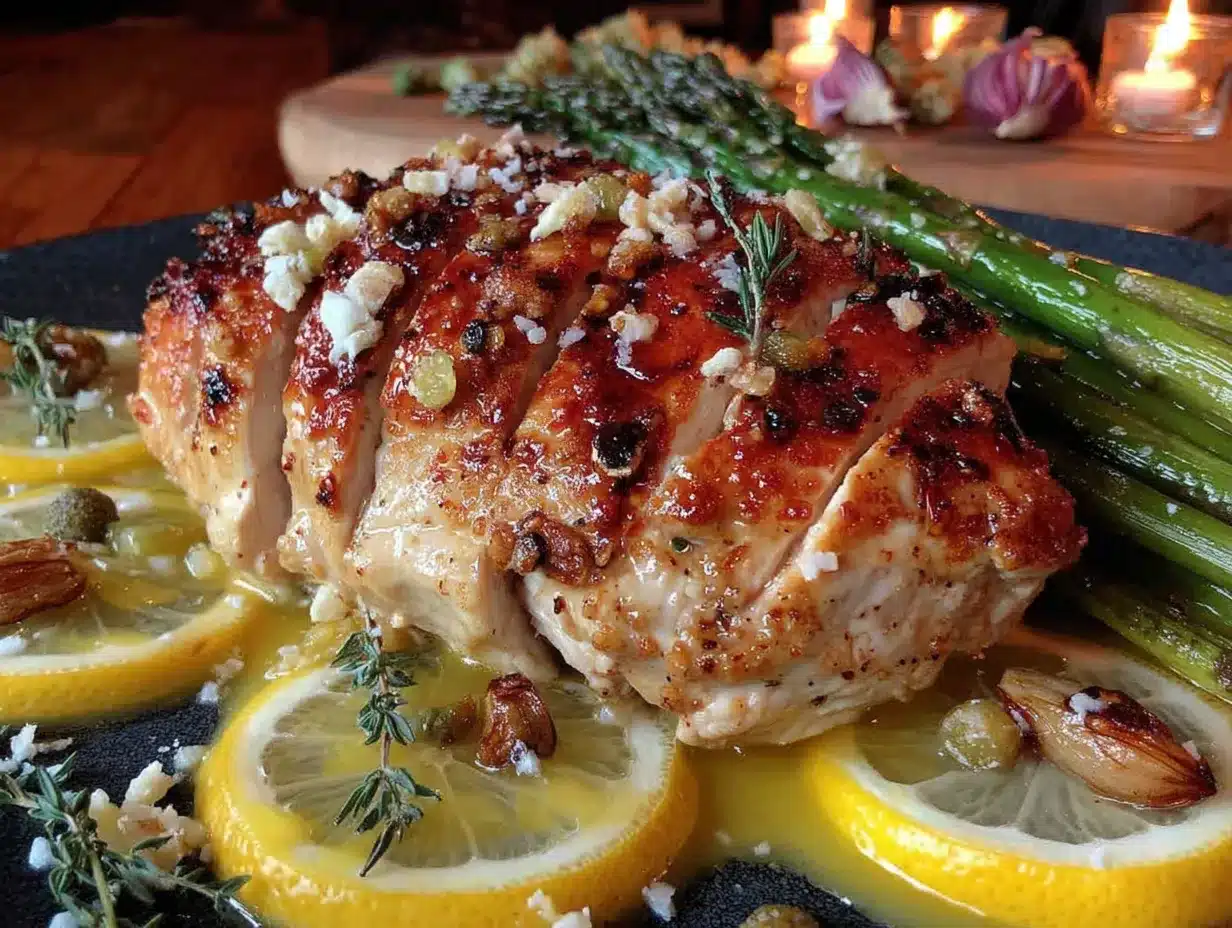
- 3 cloves garlic, minced – Fresh garlic is non-negotiable here. The jarred stuff just doesn’t have the same punch. (Trust me, I learned that the hard way.)
- ½ cup low-sodium chicken broth – Low-sodium is important so you can control the salt level. If you only have regular broth, cut back on the added salt.
- ¼ cup fresh lemon juice – That’s about 2 large lemons. Please, please use fresh lemons. Bottled lemon juice tastes flat and artificial in comparison.
- 1 teaspoon lemon zest – This adds a layer of bright, aromatic lemon flavor that juice alone can’t provide. Don’t skip it.
- 1 tablespoon capers, drained – These little briny buds add a pop of salty, tangy flavor that balances the lemon beautifully. (Optional, but highly recommended.)
- 2 tablespoons chopped fresh parsley – For freshness and color. Flat-leaf parsley is my go-to, but curly works too.
For Serving (Optional but Recommended)
- Cooked rice, quinoa, or crusty bread – Something to soak up that gorgeous lemon sauce.
- Lemon slices for garnish – Makes it look pretty and adds a little extra citrus punch.
I recommend using Meyer lemons if you can find them—they’re sweeter and less acidic, which makes the sauce even more balanced. But regular lemons work perfectly fine. Also, I’ve tried this with chicken thighs, and while they’re delicious, they do add a bit more fat and change the cooking time slightly. Stick with breasts for the lightest, freshest result.
Equipment Needed
You don’t need a lot of fancy tools for this recipe, which is part of its charm.
- Large skillet – A 12-inch skillet is ideal. Cast iron or stainless steel work best because they give you a nice sear. Non-stick is fine, but you won’t get as much browning.
- Cutting board and sharp knife – For prepping the chicken and mincing the garlic. A dull knife makes everything harder and more dangerous.
- Citrus juicer or reamer – Not strictly necessary, but it makes juicing lemons much easier and less messy. I’ve used a fork in a pinch, and it works.
- Microplane or zester – For getting that lemon zest without the bitter white pith. A box grater’s fine side also works.
- Tongs – For flipping the chicken and stirring the sauce. Much easier than a spatula.
- Measuring spoons and liquid measuring cup – For accuracy, especially with the broth and lemon juice.
If you don’t have a microplane, you can use a vegetable peeler to take off strips of lemon peel, then mince them finely. It’s a little more work, but it gets the job done. And honestly, I’ve made this recipe with just a skillet and a knife more times than I can count—it’s forgiving that way.
Preparation Method
This whole dish comes together in about 20 minutes, so I recommend having all your ingredients prepped and measured before you start. Trust me, you don’t want to be mincing garlic while your chicken is burning.
- Prep the chicken: Place the chicken breasts on a cutting board. If they’re thick (more than 1 inch), slice them horizontally to create thinner cutlets, or pound them to an even ½-inch thickness using a rolling pin or meat mallet. Pat them dry with paper towels—this is crucial for getting a good sear. Season both sides generously with salt and pepper.
- Heat the skillet: Place your large skillet over medium-high heat and add the olive oil. Let it heat until it shimmers, about 2 minutes. You want it hot enough that the chicken sizzles as soon as it hits the pan, but not so hot that the oil starts smoking.
- Sear the chicken: Carefully place the chicken breasts in the skillet in a single layer. Don’t overcrowd the pan—if your skillet is small, cook in two batches. Let the chicken cook undisturbed for 4-5 minutes, until the bottom is golden brown and releases easily from the pan. Flip and cook for another 3-4 minutes on the other side. The internal temperature should reach 165°F (74°C). Transfer the cooked chicken to a plate and tent loosely with foil to keep warm.
- Build the sauce: Reduce the heat to medium. Add the minced garlic to the skillet and stir constantly for about 30 seconds, until fragrant. Be careful not to burn it—burnt garlic tastes bitter and will ruin the sauce. Pour in the chicken broth and lemon juice, scraping up any browned bits from the bottom of the pan with a wooden spoon. Those browned bits are pure flavor, so don’t leave them behind.
- Finish the sauce: Let the sauce simmer for 2-3 minutes, until it reduces slightly and thickens a bit. Stir in the lemon zest and capers (if using). Taste the sauce and adjust seasoning if needed—add a pinch more salt or a squeeze more lemon juice to balance it.
- Combine and serve: Return the chicken to the skillet, spooning the sauce over the top. Let it heat through for about 1 minute. Sprinkle with fresh parsley and garnish with lemon slices if desired. Serve immediately over rice, quinoa, or with crusty bread to soak up every last drop of that glorious sauce.
A quick note: If you want the sauce to be a little thicker, you can stir in a slurry of 1 teaspoon cornstarch mixed with 1 tablespoon cold water at the end. But honestly, I prefer it as-is—light and brothy, not gloppy.
Cooking Tips & Techniques
I’ve made this recipe more times than I can count, and I’ve definitely had my share of mistakes along the way. Here’s what I’ve learned so you don’t have to repeat my failures.
Don’t skip drying the chicken. This is one of those steps that seems fussy but makes a huge difference. Wet chicken steams instead of sears, and you’ll end up with pale, sad-looking meat. Pat it dry, then season it. Your future self will thank you.
Watch the heat. Medium-high is your friend for searing, but once you add the garlic and broth, you need to lower the heat. I once left the heat too high and ended up with garlic that was both burnt and bitter, plus a sauce that evaporated too quickly. The sauce should simmer gently, not boil aggressively.
Let the chicken rest. After you take it out of the pan, let it sit for a few minutes before slicing. This lets the juices redistribute so your chicken stays moist instead of drying out on the plate. I know it’s tempting to dig right in, but patience pays off here.
Use a meat thermometer. Chicken breasts are notoriously easy to overcook. I use an instant-read thermometer to check for 165°F (74°C) at the thickest part. It takes the guesswork out and ensures perfectly cooked chicken every time.
Multitask smartly. While the chicken is searing, you can juice the lemons and chop the parsley. That way, once the chicken is done, you’re ready to build the sauce without scrambling. It’s a small time-saver that makes the whole process feel effortless.
Variations & Adaptations
One of the best things about this recipe is how easy it is to adapt based on what you have or what you’re craving.
- Dietary Swaps: For a dairy-free version, this recipe is already dairy-free, so you’re good. To make it gluten-free, just serve it with rice or quinoa instead of bread. The sauce itself is naturally gluten-free.
- Flavor Twists: Try adding a pinch of red pepper flakes for a little heat, or stir in a handful of fresh spinach at the end and let it wilt into the sauce. You can also swap the capers for sliced olives for a more Mediterranean vibe. I once added a splash of white wine instead of some of the broth, and it was fantastic—just use about ¼ cup wine and ¼ cup broth.
- Seasonal Adaptations: In the summer, I love serving this with a side of grilled zucchini or a fresh tomato salad. In the winter, roasted asparagus or sautéed mushrooms are perfect companions. The lemon sauce goes with just about any vegetable.
- Different Proteins: This method works beautifully with boneless, skinless chicken thighs (just cook them a few minutes longer) or even thinly sliced pork chops. For a vegetarian version, try it with thick slices of firm tofu or cauliflower steaks—just adjust the cooking time as needed.
- Herb Variations: If you don’t have parsley, fresh basil or thyme are lovely substitutes. I’ve even used a mix of dill and chives when I had them on hand, and it gave the dish a completely different but equally delicious character.
Serving & Storage Suggestions
This lemon chicken skillet is best served hot, right after it’s made. The sauce is at its brightest and the chicken is at its juiciest. I like to serve it over a bed of fluffy white rice or quinoa to catch all that lovely sauce. A side of steamed green beans or a simple arugula salad with lemon vinaigrette rounds out the meal nicely.
If you have leftovers (which is rare in my house, but it happens), store the chicken and sauce together in an airtight container in the refrigerator for up to 3 days. The flavors actually meld and deepen overnight, so leftovers are still really good. To reheat, place the chicken and sauce in a skillet over medium-low heat, adding a splash of broth or water if the sauce has thickened too much. Microwave reheating works too, but it can dry out the chicken, so go low and slow if you choose that route.
I don’t recommend freezing this dish, as the lemon sauce can separate and the chicken can become watery when thawed. It’s so quick to make that you’re better off preparing it fresh. The one exception is if you have extra sauce—you can freeze that separately and use it as a quick flavor booster for other dishes.
Nutritional Information & Benefits
This recipe is naturally light and packed with good-for-you ingredients. Here’s an approximate breakdown per serving (based on 4 servings, without rice or bread):
| Nutrient | Amount |
|---|---|
| Calories | 280 |
| Protein | 38g |
| Fat | 12g |
| Saturated Fat | 2g |
| Carbohydrates | 4g |
| Fiber | 1g |
| Sugar | 1g |
| Sodium | 650mg |
Chicken is an excellent source of lean protein, which helps keep you full and supports muscle health. Lemons are packed with vitamin C and antioxidants, which support your immune system and skin health. Garlic adds its own immune-boosting properties, while olive oil provides healthy monounsaturated fats that are great for heart health. This meal is naturally low in carbs and sugar, making it a great option for anyone watching their carb intake or just trying to eat a little lighter without sacrificing flavor.
Conclusion
This 20-minute lemon chicken skillet is proof that you don’t need hours in the kitchen or a long list of ingredients to create something truly delicious. It’s the kind of recipe that becomes a staple—the one you turn to when you’re tired, hungry, and need dinner to just work. The bright lemon, the tender chicken, the simple pan sauce that tastes way more complex than it should—it all comes together in a way that feels both effortless and special.
I hope you give this recipe a try and make it your own. Maybe you’ll add a little extra garlic, throw in some spinach, or serve it over your favorite grain. That’s the beauty of a simple, well-built recipe—it leaves room for your own creativity. And honestly, that’s what cooking is all about.
If you make this lemon chicken skillet, I’d love to hear how it turned out. Leave a comment below, share your tweaks, or tag me in your photos. Happy cooking!
Frequently Asked Questions
Can I use chicken thighs instead of breasts?
Absolutely! Boneless, skinless chicken thighs work great. They’ll need a few extra minutes of cooking time, and they’ll be slightly more tender and juicy. Just make sure they reach an internal temperature of 165°F (74°C).
What can I use instead of capers?
If you don’t have capers, you can skip them entirely, or try chopped green olives for a similar briny kick. A small splash of white wine vinegar or extra lemon juice can also help mimic that tangy flavor.
How do I prevent the chicken from drying out?
The key is to not overcook it. Use a meat thermometer to check for 165°F (74°C) at the thickest part, and let the chicken rest for a few minutes after cooking. Pounding the chicken to an even thickness also helps it cook more evenly.
Can I make this recipe ahead of time?
It’s best fresh, but you can prep the ingredients ahead—juice the lemons, mince the garlic, and chop the parsley. Store them in the fridge, then cook everything when you’re ready to eat. The actual cooking only takes about 20 minutes.
Is this recipe gluten-free?
Yes! The recipe itself contains no gluten. Just be sure to serve it with rice, quinoa, or gluten-free bread if you need it to be completely gluten-free. The sauce is naturally gluten-free as written.
Pin This Recipe!
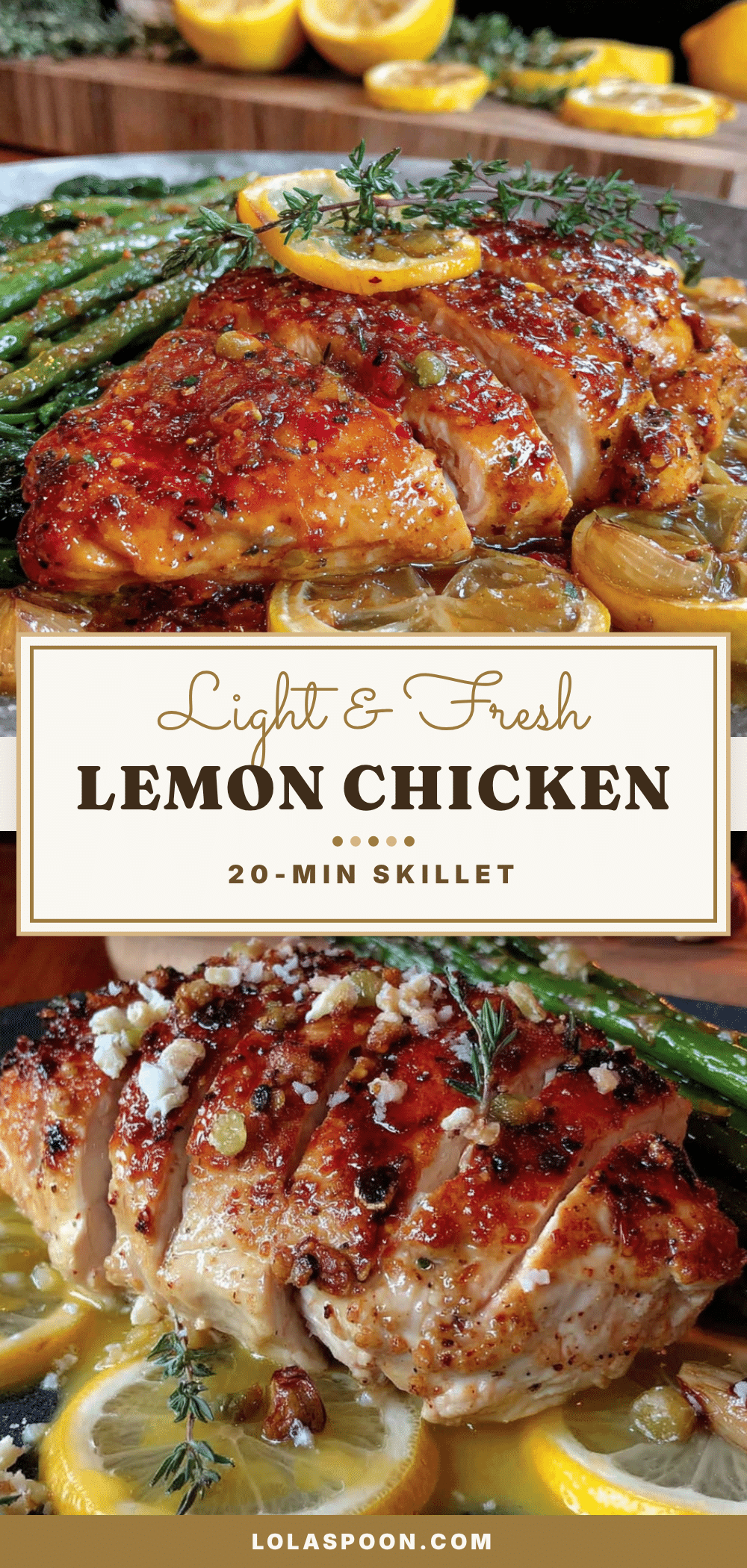
20-Minute Lemon Chicken Skillet: Easy, Light & Fresh Dinner

A quick and easy lemon chicken skillet that comes together in just 20 minutes. Tender chicken breasts are seared and finished in a bright, fresh lemon sauce with garlic and capers, perfect for busy weeknights.
- Prep Time: 10 minutes
- Cook Time: 10 minutes
- Total Time: 20 minutes
- Yield: 4 servings 1x
- Category: Main Course
- Cuisine: Italian
Ingredients
- 1 ½ pounds boneless, skinless chicken breasts (about 2 large breasts)
- 1 teaspoon salt
- ½ teaspoon black pepper
- 2 tablespoons olive oil
- 3 cloves garlic, minced
- ½ cup low-sodium chicken broth
- ¼ cup fresh lemon juice (about 2 large lemons)
- 1 teaspoon lemon zest
- 1 tablespoon capers, drained
- 2 tablespoons chopped fresh parsley
- Cooked rice, quinoa, or crusty bread for serving (optional)
- Lemon slices for garnish (optional)
Instructions
- Prep the chicken: Place the chicken breasts on a cutting board. If they’re thick (more than 1 inch), slice them horizontally to create thinner cutlets, or pound them to an even ½-inch thickness using a rolling pin or meat mallet. Pat them dry with paper towels. Season both sides generously with salt and pepper.
- Heat the skillet: Place your large skillet over medium-high heat and add the olive oil. Let it heat until it shimmers, about 2 minutes.
- Sear the chicken: Carefully place the chicken breasts in the skillet in a single layer. Cook undisturbed for 4-5 minutes, until the bottom is golden brown and releases easily from the pan. Flip and cook for another 3-4 minutes on the other side. The internal temperature should reach 165°F (74°C). Transfer the cooked chicken to a plate and tent loosely with foil to keep warm.
- Build the sauce: Reduce the heat to medium. Add the minced garlic to the skillet and stir constantly for about 30 seconds, until fragrant. Pour in the chicken broth and lemon juice, scraping up any browned bits from the bottom of the pan with a wooden spoon.
- Finish the sauce: Let the sauce simmer for 2-3 minutes, until it reduces slightly and thickens a bit. Stir in the lemon zest and capers (if using). Taste and adjust seasoning if needed.
- Combine and serve: Return the chicken to the skillet, spooning the sauce over the top. Let it heat through for about 1 minute. Sprinkle with fresh parsley and garnish with lemon slices if desired. Serve immediately over rice, quinoa, or with crusty bread.
Notes
Don’t skip drying the chicken for a good sear. Use fresh lemon juice and garlic for best flavor. If you want a thicker sauce, stir in a slurry of 1 teaspoon cornstarch mixed with 1 tablespoon cold water at the end. Leftovers can be stored in an airtight container in the refrigerator for up to 3 days.
Nutrition
- Serving Size: 1 serving (without r
- Calories: 280
- Sugar: 1
- Sodium: 650
- Fat: 12
- Saturated Fat: 2
- Carbohydrates: 4
- Fiber: 1
- Protein: 38
Keywords: lemon chicken, chicken skillet, quick dinner, weeknight dinner, healthy chicken, 20-minute meal