The neighborhood spring potluck was in six hours and I’d completely forgotten. Everyone else would be bringing things they’d clearly planned for days—elaborate quiches, tiered dessert stands, salads with ingredients I couldn’t even pronounce. I had a bag of frozen salmon fillets, a lemon that was maybe past its prime, and a bunch of dill that was wilting in my fridge. Honestly, I almost just grabbed a store-bought veggie tray and called it a day. But something about the warm afternoon light coming through my kitchen window made me want to try anyway. So I threw together a quick butter sauce, seasoned the fish with what I had, and slid it into the oven. I told myself it didn’t matter if it turned out okay—I’d done my best with what I had.
When I walked into that potluck carrying this spring baked salmon with lemon dill butter, I felt a little embarrassed. There were dishes that looked like they belonged on magazine covers. But then people started trying the salmon. You know that moment when someone takes a bite and their eyes go wide? That happened. Then it happened again. And again. By the end of the night, three different people had asked for the recipe, and the platter was scraped clean. The elaborate quiche? Still half-full. I mean, I wasn’t trying to show anyone up—I was just trying not to show up empty-handed. But that’s the thing about simple recipes done right. They don’t need to be fancy to be unforgettable.
This spring baked salmon with lemon dill butter has become my go-to for exactly those kinds of moments. It’s the recipe I make when I want to look like I tried harder than I actually did. And honestly? It works every single time. Maybe you’ve been there too—staring at a fridge that doesn’t seem to have much, wondering what you can possibly bring to the next gathering. Let me tell you, this salmon might just be your answer too.
Why You’ll Love This Recipe
I’ve tested this spring baked salmon with lemon dill butter more times than I can count. I’ve made it with fresh salmon from the farmers market and with frozen fillets I grabbed on sale. I’ve baked it in a fancy oven and in a tiny apartment toaster oven. And every single time, it delivers. Here’s why this recipe stands out from the rest:
- Ready in 25 Minutes: From fridge to table in under half an hour. Perfect for those evenings when you need dinner fast but still want something that feels special.
- Simple Pantry Ingredients: Salmon, butter, lemon, dill, garlic, salt, and pepper. That’s it. No trips to specialty stores or hunting down obscure ingredients.
- Perfect for Spring Gatherings: Easter brunch, Mother’s Day dinner, garden parties, or casual weeknight dinners that celebrate the season.
- Crowd-Pleaser Guaranteed: Even people who claim they don’t love fish come back for seconds. The lemon dill butter does something magical here.
- Unbelievably Tender and Flaky: The butter bastes the salmon as it bakes, creating the most luxurious texture without any complicated techniques.
What makes this spring baked salmon with lemon dill butter different from other recipes? It’s the ratio. Most recipes drown salmon in butter or skimp on the dill. I spent weeks testing the perfect balance—enough butter to keep the salmon incredibly moist, enough lemon to brighten every bite, and enough fresh dill to taste it without feeling like you’re eating a garden. Plus, I added a small trick: a touch of garlic that melts into the butter and infuses the fish without overpowering it. This isn’t just another baked salmon recipe. It’s the one I’ve made for every spring celebration since that first potluck, and it never disappoints.
What Ingredients You Will Need
This spring baked salmon with lemon dill butter uses simple, fresh ingredients to create something truly special. The beauty of this recipe is how each component plays its part perfectly. Here’s what you’ll need:
For the Salmon
- 4 salmon fillets (6 ounces each), skin-on or skinless (I prefer skin-on for extra moisture and easy removal after cooking)
- Salt and freshly ground black pepper to taste
- 1 tablespoon olive oil (helps the seasoning stick and adds a subtle richness)
For the Lemon Dill Butter
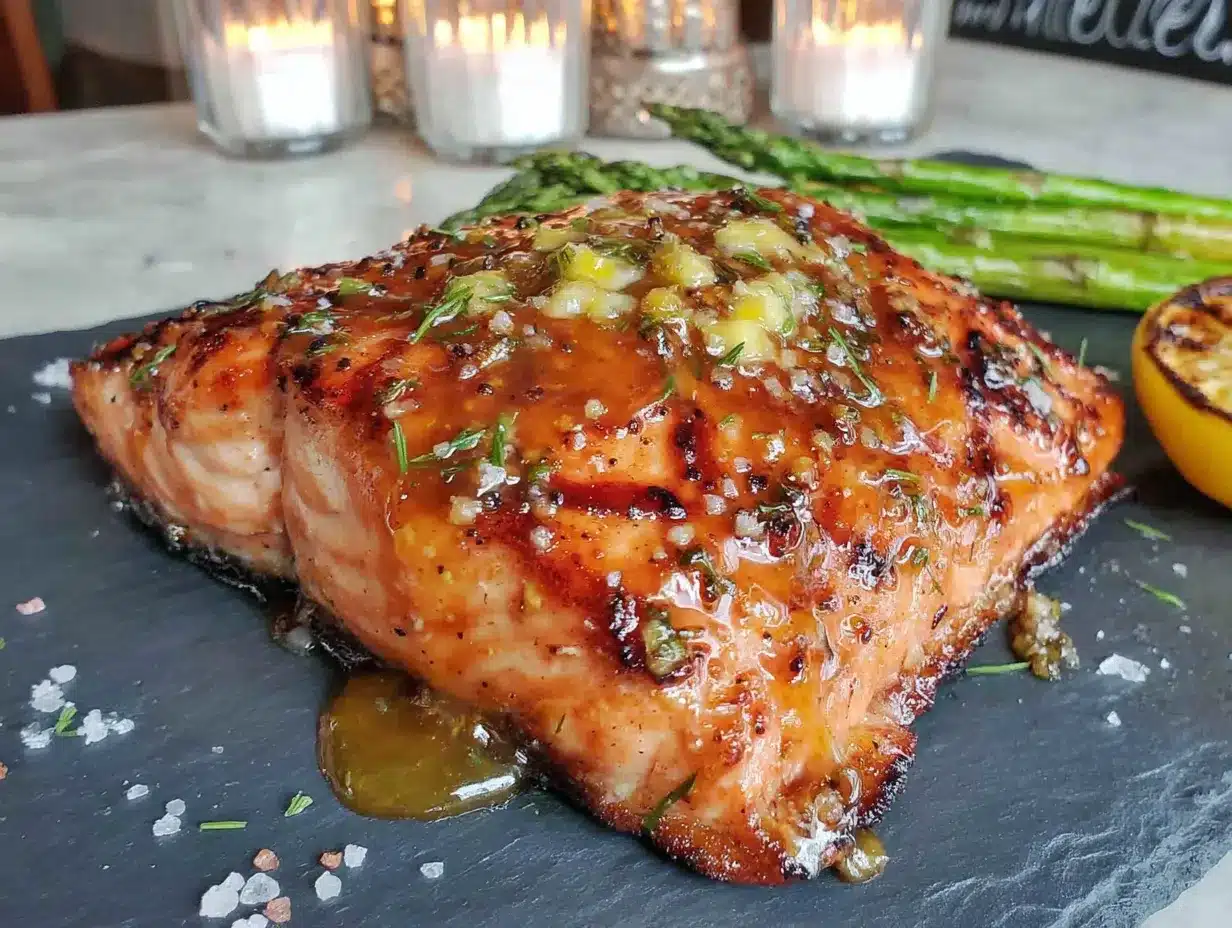
- 4 tablespoons unsalted butter, softened (I use Kerrygold for its rich flavor, but any good-quality butter works)
- 2 cloves garlic, minced (fresh garlic makes a big difference here—skip the jarred stuff)
- 2 tablespoons fresh dill, finely chopped (plus extra for garnish—don’t use dried dill here, the fresh flavor is essential)
- 1 tablespoon fresh lemon juice (about half a lemon, and save the zest for the topping)
- 1 teaspoon lemon zest (this adds brightness that juice alone can’t match)
For Serving (Optional but Recommended)
- Lemon wedges for squeezing over the top
- Fresh dill sprigs for garnish
- Flaky sea salt for finishing (like Maldon—it adds a lovely crunch and pop of saltiness)
When selecting salmon for this spring baked salmon with lemon dill butter, look for fillets that are bright in color and smell fresh, not fishy. If the salmon has white lines running through it (that’s fat), that’s a good sign—it means the fish will be moist and flavorful. I personally prefer wild-caught salmon when it’s in season, but farm-raised Atlantic salmon works beautifully here too. The higher fat content in farm-raised salmon actually makes it even more forgiving in the oven.
For the dill, try to find bunches that look perky and bright green. If the tips are wilting or turning yellow, grab a fresher bunch. And here’s a little tip: if you have extra dill, you can wrap it in a damp paper towel and store it in a zip-top bag in the fridge for up to a week. It’ll stay fresh and ready for your next batch of this spring baked salmon with lemon dill butter.
Equipment Needed
You don’t need a fancy kitchen to make this spring baked salmon with lemon dill butter. Here’s what you’ll need:
- Baking dish or sheet pan (9×13-inch baking dish works perfectly, or a rimmed baking sheet lined with parchment paper for easy cleanup)
- Small bowl for mixing the lemon dill butter
- Chef’s knife and cutting board for mincing garlic and chopping dill
- Microplane or zester for getting that lemon zest (a regular grater works too, just be careful)
- Instant-read thermometer (optional but recommended—salmon is perfectly cooked at 125°F to 130°F in the center)
- Fish spatula for serving (a regular spatula works, but a thin, angled fish spatula makes lifting fillets so much easier)
If you don’t have a microplane, you can use the smallest holes on a box grater for the lemon zest. And if you don’t have a fish spatula, don’t worry—I’ve used a regular spatula plenty of times. Just be gentle when lifting the fillets so they don’t fall apart. That’s a lesson I learned the hard way, honestly, after one too many broken salmon dinners.
Preparation Method
Making this spring baked salmon with lemon dill butter is almost embarrassingly easy. But here’s the thing—simple doesn’t mean there aren’t a few tricks to get it perfect every time. Let me walk you through it.
- Preheat your oven to 400°F (200°C). Position the rack in the middle. While the oven heats up, take your salmon out of the fridge and let it sit at room temperature for about 10 minutes. This helps it cook more evenly.
- Make the lemon dill butter. In a small bowl, combine the softened butter, minced garlic, chopped dill, lemon juice, and lemon zest. Mix everything together with a fork until it’s well combined. The butter should be soft enough to spread easily. If it’s too firm, let it sit out for another 5 minutes. I like to taste a tiny bit here—the butter should taste bright and herby, with just a hint of garlic.
- Prepare the salmon. Pat the salmon fillets dry with paper towels. This is important—wet salmon won’t brown properly, and the seasoning won’t stick. Place the fillets in your baking dish or on your lined sheet pan, skin-side down if they have skin. Drizzle with olive oil and season generously with salt and pepper. Don’t be shy with the salt—salmon needs it to taste its best.
- Top with the lemon dill butter. Divide the butter mixture evenly among the fillets. Use the back of a spoon to spread it over the top of each piece. Don’t worry if some butter falls off the sides—it’ll melt into the pan and create a delicious sauce as the salmon bakes.
- Bake the salmon. Place the dish in the preheated oven and bake for 12-15 minutes, depending on the thickness of your fillets. For fillets that are about 1 inch thick, 13 minutes is usually perfect. The salmon is done when it flakes easily with a fork and the internal temperature reaches 125°F to 130°F for medium, or 135°F to 140°F for well-done. I prefer mine at 130°F—still slightly translucent in the center, incredibly moist and tender.
- Rest and serve. Remove the salmon from the oven and let it rest for 2-3 minutes. This allows the juices to redistribute throughout the fish. Spoon any melted butter from the pan over the top of the fillets. Garnish with fresh dill sprigs and lemon wedges, and sprinkle with flaky sea salt if you’re using it.
One thing I learned after making this spring baked salmon with lemon dill butter about a dozen times: don’t walk away during the last few minutes of baking. Ovens vary, and salmon can go from perfectly cooked to overcooked in about 60 seconds. Watch for the moment when the butter is bubbling and the salmon starts to look opaque about three-quarters of the way up the sides. That’s your cue to check for doneness.
Also, if your fillets are different thicknesses (which happens all the time with salmon), you can fold the thinner tail ends under themselves so they cook at the same rate as the thicker center portions. It’s a small trick that makes a big difference.
Cooking Tips & Techniques
Over the years, I’ve made this spring baked salmon with lemon dill butter enough times to have a few disasters worth mentioning. Here’s what I’ve learned so you don’t have to make the same mistakes.
Don’t overmix the butter. I know it seems like you should whip it until it’s fluffy, but you actually want the ingredients just barely combined. Overmixing incorporates too much air, and the butter will melt unevenly in the oven. Just stir until everything comes together.
Room temperature matters more than you think. I once rushed this recipe straight from the fridge, and the salmon cooked unevenly—the outside was done while the center was still cold. Letting the fillets sit out for 10 minutes before baking makes a noticeable difference in how evenly they cook.
Use a thermometer. Honestly, this is the single best investment you can make for cooking salmon. The difference between perfectly cooked salmon at 130°F and overcooked salmon at 145°F is night and day. The first one is moist and flaky; the second is dry and mealy. I’ve ruined plenty of expensive salmon by guessing. Now I always use my instant-read thermometer.
Watch the carryover cooking. Salmon continues to cook even after you take it out of the oven. If you pull it at 125°F, it’ll climb to about 130°F during the resting time. If you wait until it’s 135°F in the oven, it’ll be closer to 140°F by the time you serve it. Pull it early and let the residual heat finish the job.
Don’t crowd the pan. Give each fillet a little space so the heat can circulate around them. If they’re touching, they’ll steam instead of bake, and you’ll lose that nice butter-basted effect. I learned this the hard way when I tried to fit six fillets in a pan meant for four.
Variations & Adaptations
This spring baked salmon with lemon dill butter is wonderfully adaptable. Here are some variations I’ve tried and loved:
Herb Swap: Don’t have dill? No problem. Fresh parsley, chives, or tarragon all work beautifully in this recipe. Tarragon adds a lovely anise-like flavor that pairs surprisingly well with salmon. I made this version for a friend who doesn’t like dill, and she asked for the recipe twice.
Citrus Twist: Try using orange or lime instead of lemon. Orange and dill is a classic combination that feels a little more unexpected. Lime gives the dish a brighter, almost tropical vibe that’s perfect for early summer gatherings.
Spicy Version: Add a pinch of red pepper flakes or a tiny bit of minced jalapeño to the butter. The heat cuts through the richness of the salmon and butter beautifully. My husband loves this version, and I’ve started making it whenever I want something with a little kick.
Garlic-Free Option: If you’re sensitive to garlic, just leave it out. The lemon and dill are strong enough on their own. I’ve made this for friends with garlic allergies, and they never missed it.
Dairy-Free Adaptation: Substitute the butter with a high-quality vegan butter or ghee (if you can tolerate dairy proteins but not lactose). I’ve used Miyoko’s European Style Cultured Vegan Butter with excellent results—it melts and browns similarly to dairy butter.
Grilled Version: In the summer, I make this on the grill. Prepare the salmon the same way, but place it on a piece of heavy-duty foil with the edges folded up to catch the melting butter. Grill over medium heat for 10-12 minutes with the lid closed. The smoky flavor adds another layer of deliciousness.
Serving & Storage Suggestions
This spring baked salmon with lemon dill butter is incredibly versatile when it comes to serving. Here’s how I like to enjoy it:
Serving Temperature: Serve the salmon warm, right after the resting period. The butter should still be melted and glossy. If it sits too long, the butter will start to solidify again. If that happens, just spoon a little warm pan juice over each fillet before serving.
What to Serve With It: This salmon pairs beautifully with so many sides. I love it with roasted asparagus (another spring favorite), a simple arugula salad with lemon vinaigrette, or creamy mashed potatoes that soak up all that lemon dill butter. For a lighter option, try it over a bed of mixed greens with cherry tomatoes and cucumber. The butter acts as a built-in dressing.
Storage: Leftover salmon keeps well in an airtight container in the refrigerator for up to 3 days. The flavor actually mellows and becomes more subtle overnight. Just be aware that the dill flavor will fade a bit after the first day.
Reheating: The best way to reheat this salmon is low and slow. Place it in a 300°F oven for about 5-7 minutes, or until just warmed through. You can also reheat it in a skillet over medium-low heat with a splash of water or lemon juice, covered, for about 3-4 minutes. Whatever you do, avoid the microwave—it will overcook the salmon and make it dry and rubbery.
Make-Ahead Tip: You can prepare the lemon dill butter up to 3 days in advance and keep it in the refrigerator. Just let it come to room temperature before spreading it on the salmon. This makes this spring baked salmon with lemon dill butter perfect for entertaining—you can do most of the work ahead of time.
Cold Leftovers: Leftover salmon is fantastic flaked over salads or mixed into pasta with a little extra olive oil. I’ve even used it in omelets the next morning. The lemon dill flavor infuses everything it touches.
Nutritional Information & Benefits
This spring baked salmon with lemon dill butter isn’t just delicious—it’s packed with nutrients that make it a smart choice for any meal. Here’s what you’re getting in each serving (based on one fillet with about 1 tablespoon of the butter mixture):
- Calories: Approximately 350-400 calories per serving
- Protein: 35-40 grams (salmon is one of the best sources of high-quality protein)
- Healthy Fats: 22-25 grams (rich in omega-3 fatty acids, which support heart and brain health)
- Vitamin D: Significant amount (salmon is one of the few natural food sources of vitamin D)
- B Vitamins: Especially B12, B6, and niacin, which support energy metabolism
- Selenium: Important for thyroid function and antioxidant protection
This recipe is naturally gluten-free and low-carb, making it suitable for a variety of dietary needs. If you’re watching your sodium, you can reduce the salt or use a salt substitute. The fresh dill adds not just flavor but also antioxidants and compounds that may support digestion.
I love that this spring baked salmon with lemon dill butter feels indulgent—thanks to that butter—but is actually incredibly good for you. It’s one of those rare recipes where healthy and delicious genuinely meet in the middle. Plus, the omega-3s in salmon are known to support brain health, which I like to think about when I’m feeding my family.
Conclusion
This spring baked salmon with lemon dill butter has become my secret weapon for everything from rushed weeknight dinners to special occasion meals. It started as a panic-fueled potluck entry, but it’s earned a permanent place in my recipe rotation. The combination of tender, flaky salmon with bright lemon and herbaceous dill is simply unbeatable—especially when it all comes together in about 25 minutes with minimal cleanup.
What I love most about this recipe is how forgiving it is. Whether you’re a seasoned cook or someone who’s a little intimidated by cooking fish, this spring baked salmon with lemon dill butter is designed to make you look good. The butter does most of the work, keeping the salmon moist and flavorful even if you accidentally leave it in the oven a minute too long. And the presentation? A few dill sprigs and lemon wedges, and suddenly it looks like you spent hours in the kitchen.
I hope you give this recipe a try. Maybe you’ll make it for a spring gathering, or maybe just for yourself on a Tuesday night when you need something that feels a little special. However you make it, I’d love to hear how it turns out. Drop a comment below and let me know—did you add your own twist? Did it become a new favorite in your house? Your stories are what make this whole recipe-sharing thing so rewarding.
Until next time, happy cooking—and don’t forget to save that extra lemon dill butter for spreading on crusty bread. Trust me on this one.
Frequently Asked Questions
Can I use frozen salmon for this recipe?
Yes, absolutely. Just make sure to thaw the salmon completely in the refrigerator overnight, then pat it very dry with paper towels before seasoning. Frozen salmon tends to release more water as it cooks, so drying it well is extra important for the best texture.
How do I know when the salmon is done without a thermometer?
Look for visual cues. The salmon should be opaque about three-quarters of the way up the sides, and the center should still be slightly translucent. When you gently press the top with a fork, it should flake apart easily. If it looks completely opaque all the way through and is falling apart, it’s likely overcooked.
Can I make this with other types of fish?
Definitely. This lemon dill butter works beautifully with other firm, flaky fish like trout, arctic char, halibut, or cod. Just adjust the cooking time based on the thickness of the fillets. Thinner fillets like trout will cook faster, while thicker fillets like halibut may need a few extra minutes.
What if I don’t have fresh dill?
Fresh dill really makes a difference in this recipe, but if you’re in a pinch, you can use 1 teaspoon of dried dill instead of the 2 tablespoons of fresh. Just keep in mind that dried dill has a more concentrated, slightly different flavor. Alternatively, try fresh parsley or chives as a substitute.
Can I double this recipe for a crowd?
Yes, this recipe scales beautifully. Just make sure not to overcrowd the pan—use two baking dishes if needed, or bake in batches. The cooking time may increase slightly if you’re baking a larger quantity, so check for doneness a few minutes early and adjust as needed.
Pin This Recipe!
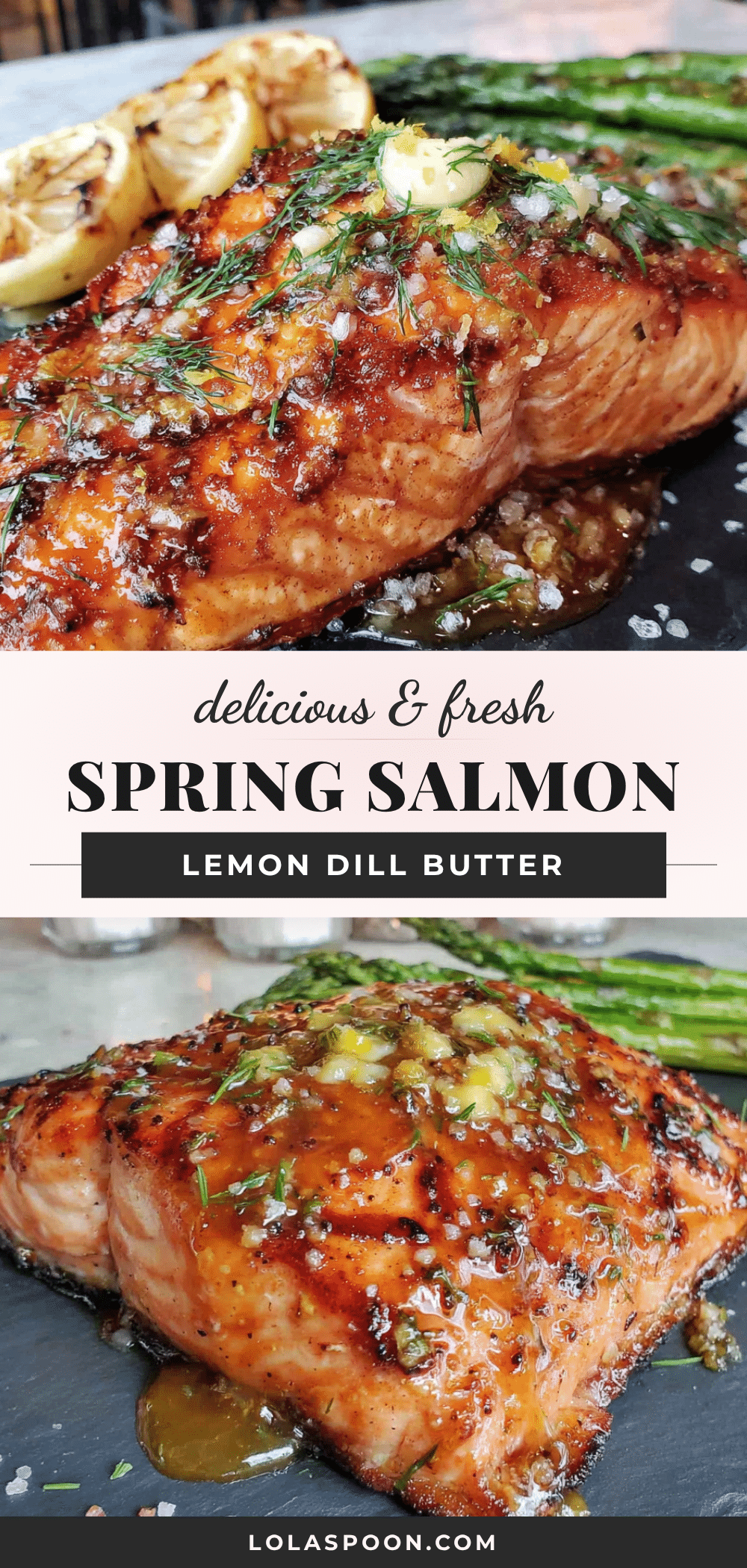
Best Easy Spring Baked Salmon with Lemon Dill Butter

A simple yet elegant baked salmon recipe featuring a bright lemon dill butter sauce. Ready in 25 minutes, this crowd-pleasing dish is perfect for spring gatherings or quick weeknight dinners.
- Prep Time: 10 minutes
- Cook Time: 15 minutes
- Total Time: 25 minutes
- Yield: 4 servings 1x
- Category: Main Course
- Cuisine: American
Ingredients
- 4 salmon fillets (6 ounces each), skin-on or skinless
- Salt and freshly ground black pepper to taste
- 1 tablespoon olive oil
- 4 tablespoons unsalted butter, softened
- 2 cloves garlic, minced
- 2 tablespoons fresh dill, finely chopped
- 1 tablespoon fresh lemon juice
- 1 teaspoon lemon zest
- Lemon wedges for serving (optional)
- Fresh dill sprigs for garnish (optional)
- Flaky sea salt for finishing (optional)
Instructions
- Preheat your oven to 400°F (200°C). Position the rack in the middle. Take the salmon out of the fridge and let it sit at room temperature for about 10 minutes.
- In a small bowl, combine the softened butter, minced garlic, chopped dill, lemon juice, and lemon zest. Mix with a fork until well combined.
- Pat the salmon fillets dry with paper towels. Place them in a baking dish or on a lined sheet pan, skin-side down if they have skin. Drizzle with olive oil and season generously with salt and pepper.
- Divide the butter mixture evenly among the fillets and spread it over the top of each piece.
- Bake for 12-15 minutes, depending on thickness. For 1-inch thick fillets, 13 minutes is usually perfect. Salmon is done when it flakes easily with a fork and internal temperature reaches 125°F to 130°F for medium, or 135°F to 140°F for well-done.
- Remove from the oven and let rest for 2-3 minutes. Spoon any melted butter from the pan over the fillets. Garnish with fresh dill sprigs and lemon wedges, and sprinkle with flaky sea salt if desired.
Notes
For best results, let salmon sit at room temperature for 10 minutes before baking. Use an instant-read thermometer to avoid overcooking; pull salmon at 125°F-130°F for medium. If fillets vary in thickness, fold thinner tail ends under for even cooking. Leftover salmon keeps in the refrigerator for up to 3 days. Reheat gently in a 300°F oven or skillet to avoid drying out.
Nutrition
- Serving Size: 1 fillet with butter
- Calories: 375
- Sodium: 350
- Fat: 24
- Saturated Fat: 9
- Carbohydrates: 1
- Protein: 37
Keywords: baked salmon, spring salmon, lemon dill butter, easy salmon recipe, quick dinner, healthy salmon, potluck recipe