My friend Jen asked me last fall why I couldn’t just toss the butternut squash with maple syrup before roasting it, instead of drizzling it on afterward. I started to explain how the sugar would burn, how the timing was all wrong—then stopped. Honestly, I had never actually tried it that way. I just assumed it wouldn’t work because that’s how I’d always seen it done. She shrugged and said, “What’s the worst that could happen?” So, with a healthy dose of skepticism, I tossed those cubes in maple syrup, spread them on a sheet pan, and slid them into the oven.
Let me tell you, I ate a hefty portion of crow that night. The squash caramelized beautifully, the edges turned sticky and dark in the best possible way, and the whole kitchen smelled like a cozy fall candle come to life. I mean, I actually stood there with the oven door open, just breathing it in. I had been roasting squash for years, always following the same rule, and it took a friend with zero culinary training to show me I was overcomplicating things. Maybe you’ve been there—stuck in a cooking habit that you never question until someone casually asks, “Why don’t you just…?”
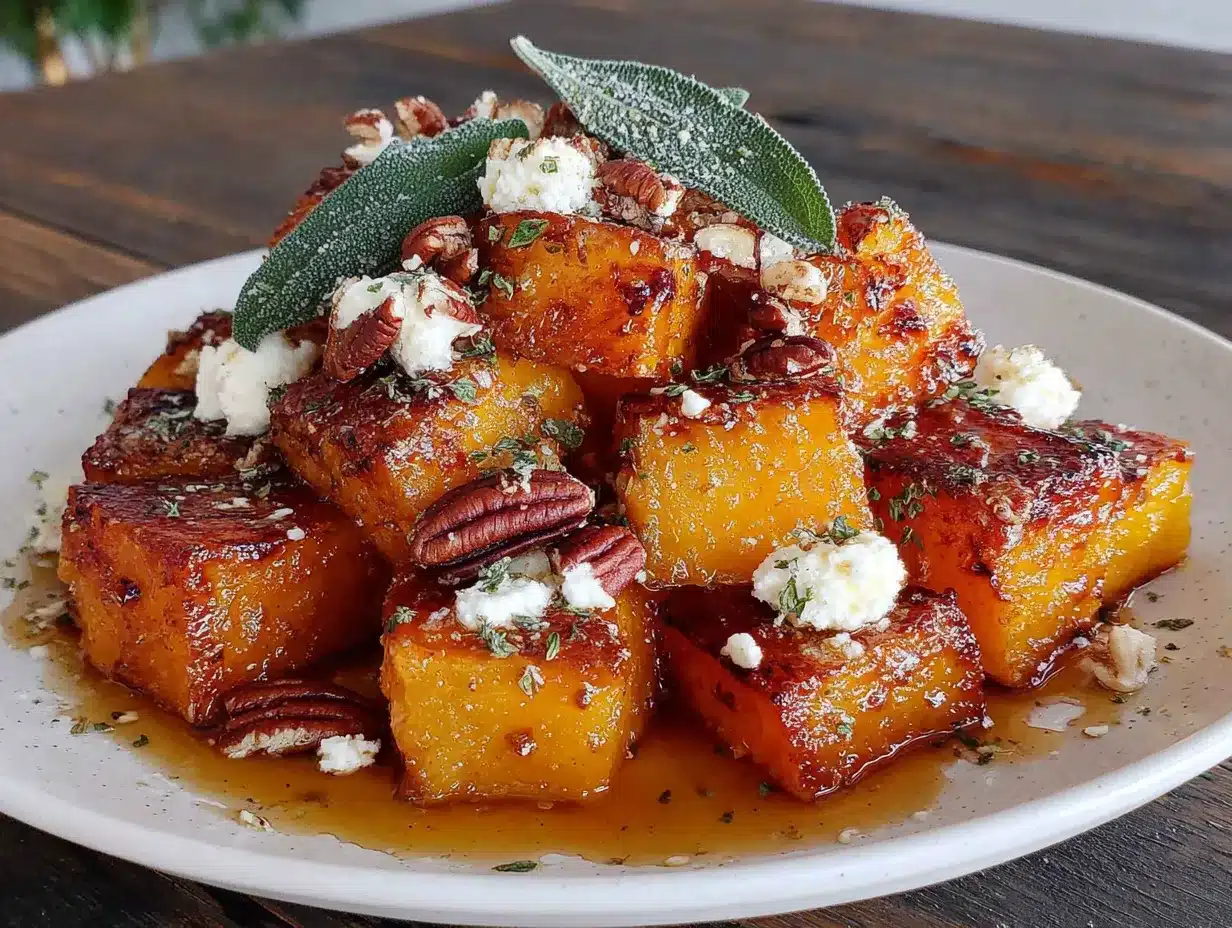
That’s how this maple roasted butternut squash with goat cheese became my go-to side dish. It’s the kind of recipe that feels fancy but is embarrassingly simple. The sweetness of the maple syrup gets concentrated as it roasts, creating these almost candied edges that pair perfectly with the tangy, creamy goat cheese. A sprinkle of fresh thyme and a handful of toasted pecans, and you’ve got a dish that looks like it took serious effort. It didn’t. I keep making it because it reminds me that sometimes the best cooking advice comes from the person who’s just hungry and not afraid to ask a dumb question.
Why You’ll Love This Recipe
This isn’t just another roasted squash recipe. After testing it at least a dozen times—with different squashes, varying oven temperatures, and a few burnt batches I’d rather forget—I can confidently say this version hits every mark. It’s the side dish that disappears first at Thanksgiving, the one that makes weeknight dinners feel special, and the recipe that proves healthy eating doesn’t have to be boring.
- Quick & Easy: From cutting board to table in about 40 minutes, with only 10 minutes of active prep. Perfect for those nights when you want something impressive without the stress.
- Simple Ingredients: You probably have maple syrup and olive oil in your pantry right now. The goat cheese and pecans are the only “special” items, and they’re worth every penny.
- Perfect for Fall Gatherings: Whether it’s a casual Friendsgiving, a holiday dinner, or just a cozy Sunday roast, this dish fits right in. It’s elegant enough for company but easy enough for a random Tuesday.
- Crowd-Pleaser: I’ve served this to picky eaters, vegetarians, and hardcore meat-lovers. Everyone goes back for seconds. The combination of sweet, savory, and tangy is basically irresistible.
- Unbelievably Delicious: The texture is what gets me every time—soft and creamy on the inside, with these incredible caramelized, almost crispy edges. Paired with the creamy goat cheese and crunchy pecans? It’s a textural dream.
What makes this recipe different is the technique. By roasting the squash directly in the maple syrup and olive oil mixture, you get a deeper caramelization than if you added it later. The syrup reduces and concentrates, creating a glaze that clings to every piece. I’ve tried it both ways, and this method wins hands down. Plus, the tangy goat cheese cuts through the sweetness perfectly, so the dish feels balanced, not cloying. It’s comfort food that you can feel good about eating—wholesome ingredients, no weird additives, and all the flavor you could want.
What Ingredients You Will Need
This recipe relies on a handful of quality ingredients that work together to create something greater than the sum of their parts. Most are pantry staples, and the few that aren’t are easy to find at any grocery store.
- Butternut Squash (1 medium, about 2-3 pounds): Look for one that feels heavy for its size with a firm, unblemished skin. I prefer to buy pre-peeled and cubed squash from the store when I’m in a hurry, but whole squash is cheaper and just as good. You’ll need about 4-5 cups of cubed squash.
- Pure Maple Syrup (3 tablespoons): Please use the real stuff, not pancake syrup. Grade A dark amber is my go-to for roasting because it has a stronger maple flavor that stands up to the heat. I’ve tried this with honey and agave, and honestly, nothing beats the real maple taste here.
- Extra Virgin Olive Oil (2 tablespoons): A good quality olive oil adds richness and helps everything caramelize. You can substitute with avocado oil if you prefer a more neutral flavor.
- Goat Cheese (4 ounces, crumbled): Look for a log of soft, fresh goat cheese. I prefer the plain variety, but herb-crusted goat cheese works beautifully too. If you’re not a goat cheese fan, feta cheese makes an excellent substitute—it’s still tangy and salty, just a bit firmer.
- Pecans (1/2 cup, roughly chopped): Toasted pecans add a wonderful crunch and nutty flavor. Walnuts work well too, or you can use pumpkin seeds for a nut-free option.
- Fresh Thyme (1 tablespoon, leaves removed from stems): Thyme and squash are a classic pairing. If you don’t have fresh, use 1 teaspoon of dried thyme—just add it to the roasting pan rather than sprinkling on top.
- Salt and Black Pepper (to taste): I use flaky sea salt for finishing, but kosher salt works fine for seasoning before roasting. Don’t skip the black pepper—it adds a subtle warmth that balances the sweetness.
- Optional Garnish: Fresh Parsley or a drizzle of Balsamic Glaze: A sprinkle of fresh parsley adds color, and a balsamic glaze drizzle takes this from side dish to showstopper in seconds.
Ingredient Selection Tips
When choosing butternut squash, look for one with a long neck and a small bulb—the neck is solid flesh with no seeds, making it easier to cube. I learned this the hard way after wrestling with a short, bulbous squash that took forever to peel. For the maple syrup, I recommend Copper Branch or Maple Grove Farms for a reliable, affordable option. And please, taste your goat cheese before buying—some brands are much tangier than others. Trader Joe’s has a lovely, mild goat cheese that works perfectly here.
Equipment Needed
You don’t need a fancy kitchen to make this recipe. A few basic tools will get the job done beautifully.
- Large Baking Sheet: A rimmed baking sheet is essential to catch any juices and prevent spills. I use a half-sheet pan (18×13 inches) for even roasting. If you don’t have one, a large roasting pan works too.
- Sharp Chef’s Knife: Butternut squash is tough. A sharp knife makes the job safer and easier. I’ve used a $20 knife from Target for years, and it works fine as long as I keep it sharpened.
- Vegetable Peeler: A sturdy Y-shaped peeler is my favorite for squash. It removes the skin quickly without wasting too much flesh.
- Cutting Board: A large, stable cutting board is a must. I prefer wood, but plastic works too.
- Mixing Bowl: For tossing the squash with the maple syrup and oil.
- Spatula or Wooden Spoon: For stirring the squash halfway through roasting.
- Small Skillet: For toasting the pecans. You can also do this in the oven on a separate baking sheet.
Budget-Friendly Alternatives
If you don’t have a rimmed baking sheet, a regular baking sheet with the edges bent up slightly will work. No vegetable peeler? A sharp paring knife does the job, just take your time. And if you don’t have a mixing bowl, just toss everything directly on the baking sheet—it saves a dish and works just as well.
Preparation Method
Let’s get cooking. This recipe comes together quickly, so have everything prepped before you start.
- Preheat your oven to 400°F (200°C). This high heat is key for caramelization. Place a rack in the middle of the oven.
- Prepare the butternut squash. Carefully cut off both ends of the squash with a sharp knife. Stand it upright on a stable cutting board and peel the skin off in long strips with a vegetable peeler. Cut the squash in half lengthwise and scoop out the seeds with a spoon. Cut the flesh into 1-inch cubes. You should have about 4-5 cups. Pro tip: If the squash is too hard to cut, microwave it whole for 2-3 minutes to soften it slightly.
- Make the maple glaze. In a large mixing bowl, whisk together 3 tablespoons of maple syrup, 2 tablespoons of olive oil, a generous pinch of salt, and a few cracks of black pepper. Add the cubed squash and toss until every piece is evenly coated. Don’t be shy—use your hands if needed to make sure everything is covered.
- Spread on the baking sheet. Arrange the squash in a single layer on your rimmed baking sheet. Make sure the pieces aren’t touching too much—crowding leads to steaming instead of roasting. If they’re packed in, use two sheets. I learned this the hard way after a soggy batch.
- Roast for 25-30 minutes. Place the sheet in the preheated oven. After 15 minutes, remove the pan and use a spatula to flip the pieces. This ensures even browning. Return to the oven and roast for another 10-15 minutes, until the squash is tender when pierced with a fork and the edges are caramelized and dark in spots. The smell at this point is absolutely intoxicating.
- Toast the pecans. While the squash roasts, heat a small skillet over medium heat. Add the chopped pecans and cook, stirring frequently, for 3-4 minutes until they’re fragrant and lightly browned. Watch them closely—they burn quickly. Remove from the pan immediately and set aside.
- Assemble the dish. Transfer the roasted squash to a serving platter or leave it on the baking sheet for a rustic presentation. Sprinkle the crumbled goat cheese over the warm squash—it will soften and become slightly creamy. Scatter the toasted pecans on top, followed by the fresh thyme leaves. Add an extra pinch of flaky sea salt if desired.
- Serve immediately. This dish is best enjoyed warm, when the goat cheese is still soft and the squash is at its peak caramelization. Note: The squash will lose some of its crispy edges as it sits, so don’t let it hang around too long.
Cooking Tips & Techniques
After making this dish more times than I can count, I’ve picked up a few tricks that make a real difference. Let me share them so you can avoid my mistakes.
Don’t skip the flipping step. I know it’s tempting to just toss the squash in the oven and forget about it, but flipping halfway through is non-negotiable. The bottom of the squash pieces will get soggy if they sit in the juices, while the tops will burn. A quick flip ensures every side gets that beautiful caramelization.
Watch your oven temperature. Every oven runs a little differently. If yours runs hot, check the squash at the 20-minute mark. If it runs cool, you might need an extra 5-10 minutes. I once burned an entire batch because I trusted the timer instead of my eyes. The squash should be fork-tender with dark, sticky edges—that’s your visual cue.
Toast pecans separately. I tried adding them to the baking sheet with the squash once. Big mistake. The pecans burned while the squash was still cooking, and I ended up with bitter, acrid nuts. Toasting them separately in a dry skillet gives you perfect control.
Let the goat cheese come to room temperature. Cold goat cheese straight from the fridge won’t soften as nicely on the warm squash. Take it out 15-20 minutes before you’re ready to assemble. It will crumble more easily and melt into the squash in the most delicious way.
Double the recipe for leftovers. If you’re making this for a crowd, or if you want leftovers for lunch, double everything. The roasted squash keeps beautifully in the fridge for 3-4 days. Just reheat it in a hot oven or skillet to revive the crispy edges.
Variations & Adaptations
This recipe is incredibly flexible. Here are a few ways I’ve adapted it over the years.
- Vegan Version: Swap the goat cheese for a tangy vegan feta or a dollop of cashew cream. The sweetness of the maple syrup and the crunch of the pecans carry the dish beautifully. I’ve made this for vegan friends and it was a hit.
- Spicy Maple Squash: Add 1/4 teaspoon of cayenne pepper or red pepper flakes to the maple glaze before roasting. The heat contrasts wonderfully with the sweetness. My husband loves this version—he says it wakes up the dish.
- Herb Swap: If you don’t have thyme, try fresh rosemary or sage. Rosemary adds an earthy, piney flavor that pairs well with the maple. Sage is more traditional for fall dishes and gives a slightly peppery note.
- Different Squash: This method works beautifully with other winter squashes. Try it with delicata (no need to peel!), acorn, or even kabocha squash. Each variety brings a slightly different texture and sweetness level.
- Nut-Free Option: Replace pecans with toasted pumpkin seeds or sunflower seeds. They still add crunch without the nut allergens. I’ve also used crispy chickpeas for a savory twist—just toss them with olive oil and salt, then roast until crunchy.
- Balsamic Glaze Finish: For an extra layer of flavor, drizzle a good balsamic glaze over the finished dish. The acidity cuts through the sweetness and adds a beautiful dark swirl. It’s my favorite way to dress it up for company.
Serving & Storage Suggestions
This dish is versatile enough to serve alongside almost anything. Here’s how I like to present and store it.
Serving Temperature: Serve warm, straight from the oven. The goat cheese should be soft and slightly melted, and the squash should still have those crispy edges. If you’re making it ahead, reheat in a 350°F oven for 5-7 minutes to revive the texture.
Presentation Ideas: For a casual dinner, serve it straight from the baking sheet—rustic and honest. For a holiday table, transfer to a white platter and garnish with extra thyme sprigs and a drizzle of balsamic glaze. The orange squash, white cheese, and green herbs make a stunning color palette.
Complementary Dishes: This squash pairs beautifully with roasted chicken, pork tenderloin, or grilled salmon. For a vegetarian meal, serve it over a bed of arugula with a lemon vinaigrette, or alongside a warm grain bowl with quinoa and roasted Brussels sprouts. It’s also a fantastic side for Thanksgiving turkey or holiday ham.
Storage Instructions: Store leftovers in an airtight container in the refrigerator for up to 4 days. The goat cheese will soften and blend into the squash, which is honestly not a bad thing—it becomes almost like a creamy sauce. Reheat in a 350°F oven for 5-7 minutes, or in a skillet over medium heat with a splash of water to steam the squash back to tenderness. The microwave works in a pinch, but you’ll lose the crispy edges.
Freezer Tips: You can freeze the roasted squash (without the goat cheese and pecans) for up to 3 months. Spread it on a baking sheet to freeze individually, then transfer to a freezer bag. When ready to use, thaw in the refrigerator and reheat in a hot oven. Add fresh goat cheese and pecans after reheating.
Nutritional Information & Benefits
This dish is as good for you as it tastes. Here’s a quick breakdown.
| Nutrient | Per Serving (approx. 1 cup) |
|---|---|
| Calories | 220 |
| Total Fat | 14g |
| Saturated Fat | 4g |
| Carbohydrates | 22g |
| Fiber | 4g |
| Sugar | 12g (naturally occurring) |
| Protein | 6g |
| Vitamin A | 200% DV |
| Vitamin C | 35% DV |
Butternut squash is packed with vitamin A (in the form of beta-carotene), which is excellent for eye health and immune function. It’s also a good source of fiber, which keeps you feeling full and satisfied. The goat cheese adds a dose of calcium and protein, while the pecans provide healthy fats and vitamin E. This is the kind of side dish that makes you feel good—both while you’re eating it and after. I love that I can serve something so indulgent-tasting and know it’s actually nourishing.
Frequently Asked Questions
Can I use frozen butternut squash?
You can, but I don’t recommend it for this recipe. Frozen squash releases a lot of water as it thaws, which will prevent proper caramelization. You’ll end up with steamed, watery squash instead of those beautiful crispy edges. If you’re in a pinch, thaw the squash completely and pat it very dry with paper towels before tossing with the maple glaze.
How do I peel butternut squash easily?
The easiest method is to microwave the whole squash for 2-3 minutes to soften the skin. Let it cool slightly, then use a Y-shaped vegetable peeler to remove the skin in long strips. Alternatively, you can cut the squash into large rings, then trim the skin off each ring with a sharp knife. I prefer the microwave method—it’s faster and safer.
Can I make this dish ahead of time?
Yes, with a few adjustments. You can roast the squash and toast the pecans up to 2 days ahead. Store them separately in the refrigerator. When you’re ready to serve, reheat the squash in a 350°F oven for 5-7 minutes, then add the goat cheese and pecans. The goat cheese should always be added fresh for the best texture.
What can I substitute for goat cheese?
Feta cheese is the best substitute—it has a similar tangy, salty profile. For a dairy-free option, use a vegan feta or a dollop of cashew cream. If you want something milder, ricotta salata or even a sprinkle of Parmesan works in a pinch. I’ve also made this with blue cheese for a bolder flavor, and it was surprisingly delicious.
How do I prevent the maple syrup from burning?
The key is to not use too much syrup and to spread the squash in a single layer. Three tablespoons for a whole squash is the sweet spot. Also, make sure your oven isn’t too hot—400°F is ideal. If you notice the edges getting too dark before the squash is tender, cover the pan loosely with foil for the last 5-10 minutes of roasting.
Conclusion
This maple roasted butternut squash with goat cheese has become my go-to side dish for every fall gathering, and I honestly think it will become yours too. It’s the kind of recipe that proves simple ingredients, treated with a little care, can create something truly special. The sweetness of the maple, the tang of the goat cheese, the crunch of the pecans—every bite is a reminder that healthy eating doesn’t have to be a compromise.
I’d love to hear how it turns out for you. Did you try a variation? Did your family ask for the recipe? Drop a comment below and let me know. And if you’re looking for more cozy fall sides, don’t miss my roasted Brussels sprouts with balsamic glaze or my creamy sweet potato soup—they’re both perfect for this time of year. Happy cooking, friends. You’ve got this.
Pin This Recipe!
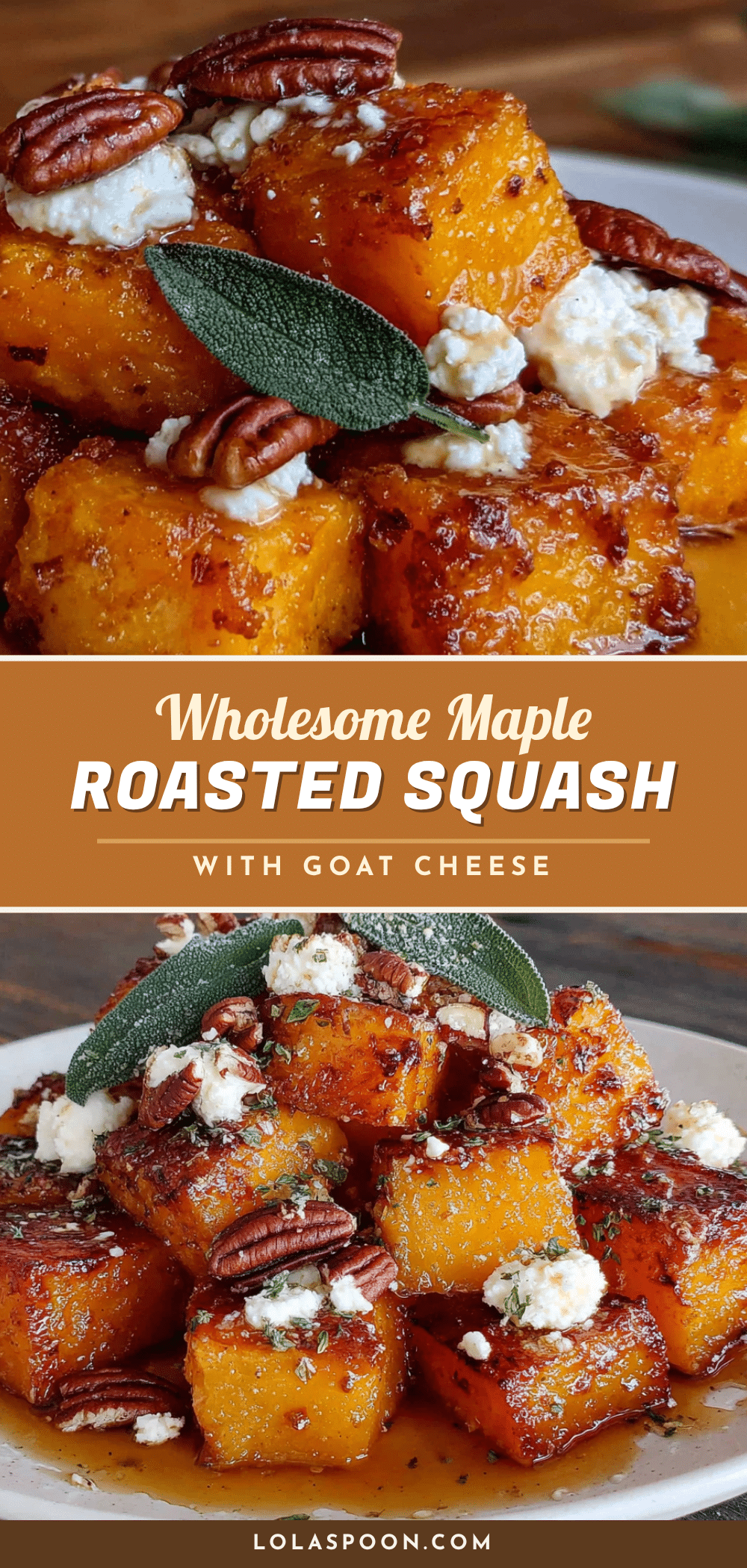
Easy Maple Roasted Butternut Squash with Goat Cheese

This maple roasted butternut squash with goat cheese is a simple yet elegant side dish featuring caramelized squash, tangy goat cheese, and crunchy pecans. It’s perfect for fall gatherings and weeknight dinners alike.
- Prep Time: 10 minutes
- Cook Time: 30 minutes
- Total Time: 40 minutes
- Yield: 4 servings 1x
- Category: Side Dish
- Cuisine: American
Ingredients
- 1 medium butternut squash (about 2–3 pounds), peeled, seeded, and cut into 1-inch cubes (about 4–5 cups)
- 3 tablespoons pure maple syrup (Grade A dark amber preferred)
- 2 tablespoons extra virgin olive oil
- 4 ounces soft fresh goat cheese, crumbled
- 1/2 cup pecans, roughly chopped
- 1 tablespoon fresh thyme leaves (or 1 teaspoon dried thyme)
- Salt and black pepper to taste
- Optional garnish: fresh parsley or balsamic glaze
Instructions
- Preheat your oven to 400°F (200°C). Place a rack in the middle of the oven.
- Prepare the butternut squash: Cut off both ends, peel with a vegetable peeler, cut in half lengthwise, scoop out seeds, and cut into 1-inch cubes.
- In a large mixing bowl, whisk together maple syrup, olive oil, a generous pinch of salt, and a few cracks of black pepper. Add the cubed squash and toss until evenly coated.
- Spread the squash in a single layer on a rimmed baking sheet. Avoid overcrowding; use two sheets if needed.
- Roast for 25-30 minutes, flipping the pieces halfway through (after about 15 minutes), until tender and caramelized with dark edges.
- While the squash roasts, toast the pecans in a dry skillet over medium heat for 3-4 minutes, stirring frequently, until fragrant and lightly browned. Remove from heat immediately.
- Transfer the roasted squash to a serving platter or leave on the baking sheet. Sprinkle crumbled goat cheese over the warm squash, then top with toasted pecans and fresh thyme leaves. Add an extra pinch of flaky sea salt if desired.
- Serve immediately while the goat cheese is soft and the squash is at its peak caramelization.
Notes
Don’t skip flipping the squash halfway through roasting for even caramelization. Toast pecans separately to prevent burning. Let goat cheese come to room temperature for easier crumbling and better melting. For best texture, serve immediately; leftovers can be reheated in a 350°F oven for 5-7 minutes.
Nutrition
- Serving Size: 1 cup
- Calories: 220
- Sugar: 12
- Sodium: 200
- Fat: 14
- Saturated Fat: 4
- Carbohydrates: 22
- Fiber: 4
- Protein: 6
Keywords: maple roasted butternut squash, goat cheese, fall side dish, Thanksgiving side, easy roasted squash, vegetarian side dish