I wasn’t expecting much when I walked through the door that Tuesday evening. My neighbor, a retired truck driver named Frank, had mentioned he was “just throwing something together” for dinner when I’d stopped by to grab a package that got delivered to his house by mistake. The smell hit me before I even got past his porch—sweet and savory, with something almost caramelized hanging in the air. Frank was standing at his kitchen counter in a stained apron, not trying to impress anyone, just pressing ground meat into a loaf pan like it was the most ordinary thing in the world.
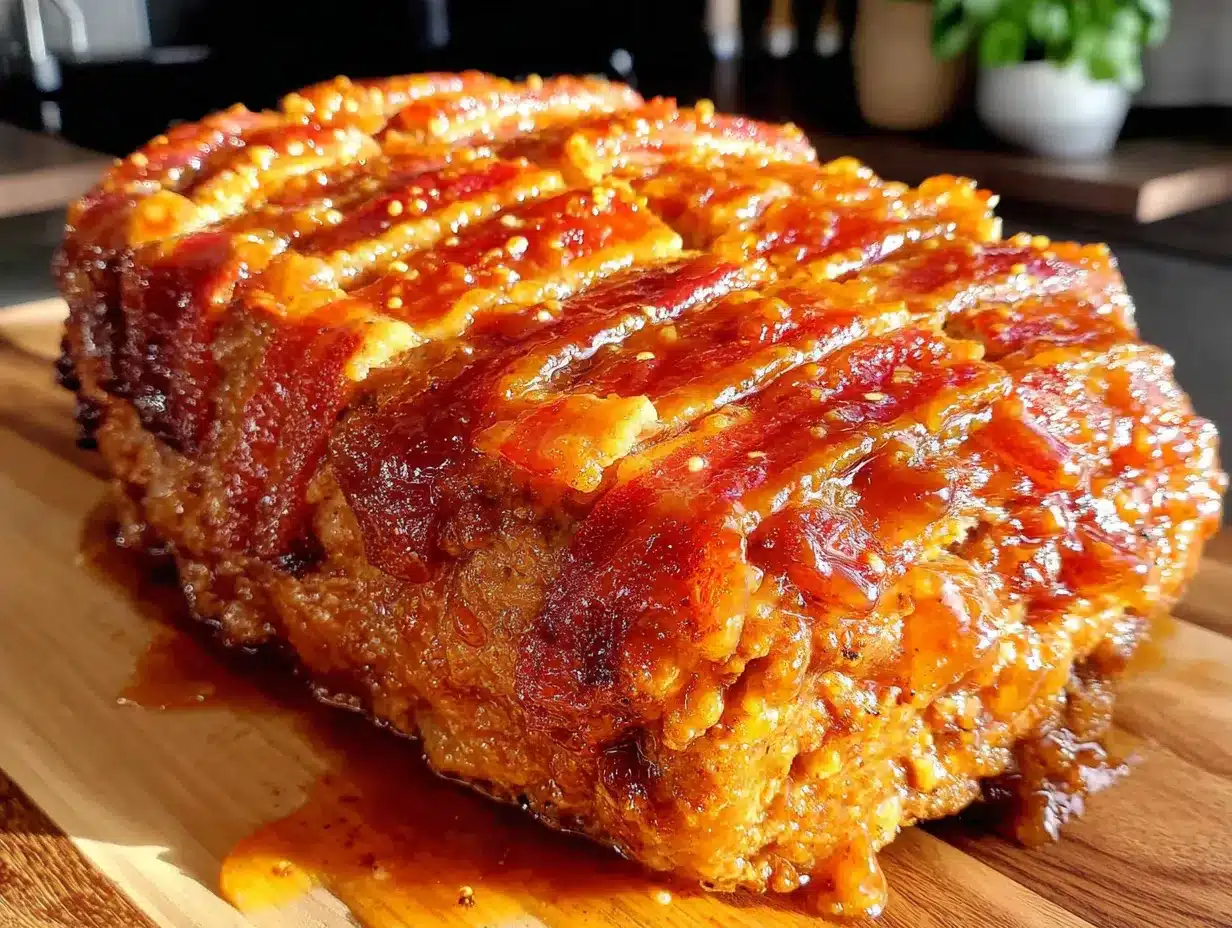
“It’s just meatloaf,” he said when I asked what was in the oven. “Nothing special.” But the way he said it—like he’d made it a thousand times and it was no big deal—made me curious. I mean, I’d had meatloaf before. Dry, crumbly, forgettable meatloaf that felt more like a punishment than dinner. Whatever Frank was making smelled like it belonged on a menu somewhere. He let me peek in the oven before I left, and I saw it: a gorgeous loaf glistening under a sticky, dark caramel-colored glaze that had me rethinking everything I thought I knew about this dish. Honestly, I stood there for a solid minute just staring at it.
He sent me home with a slice wrapped in foil, still warm. I ate it standing over my kitchen sink, and let me tell you—it was the kind of moment where you just close your eyes and forget where you are for a second. The meat was tender, almost buttery, and that glaze? Sweet, tangy, with little crispy edges where it had caramelized against the pan. I called Frank the next day and asked for the recipe, and he laughed like I was making a big deal out of nothing. But that’s exactly why this recipe works—it comes from someone who doesn’t think they’re doing anything special. And maybe you’ve been there, thinking meatloaf is just okay. Trust me, this one will change your mind.
Why You’ll Love This Recipe
This isn’t just another meatloaf recipe you find online and forget about. This is the one that gets requested for birthdays, the one your family will ask for by name, and the one that makes people who “don’t like meatloaf” suddenly change their tune. I’ve tested this version more times than I can count, tweaking the balance of seasonings, the ratio of meats, and that brown sugar glaze until it was absolutely perfect. Here is why this recipe stands out from the rest:
- Quick & Easy: You only need about 15 minutes of hands-on prep time. The oven does the rest of the work while you go about your evening.
- Simple Ingredients: Ground beef, breadcrumbs, eggs, ketchup, brown sugar—these are things you probably already have in your kitchen right now.
- Perfect for Busy Weeknights: It’s the kind of meal you can throw together after work without stressing, and it still feels like a real dinner.
- Crowd-Pleaser: I’ve served this to picky kids, skeptical in-laws, and foodie friends, and every single person has asked for seconds.
- Unbelievably Moist: The secret is in the panade—a mixture of milk and breadcrumbs that keeps the meat tender and juicy instead of dry and dense.
What makes this recipe different is that brown sugar glaze. Most meatloaf recipes use plain ketchup on top and call it a day. But that sweet, sticky, slightly tangy glaze creates this incredible caramelized crust that contrasts perfectly with the savory, tender meat underneath. It’s comfort food at its finest—simple enough for a Tuesday night but impressive enough to serve when company comes over. Honestly, this is the kind of recipe that makes you feel like you actually know what you’re doing in the kitchen, even if you’re just starting out.
What Ingredients You Will Need
This recipe uses simple, everyday ingredients that come together to create something genuinely special. Most of these are pantry staples, so you probably won’t need to make a special trip to the store. Let me walk you through what you will need and why each ingredient matters.
For the Meatloaf
- Ground beef (2 lbs / 900g): I recommend using 80/20 ground beef. The 20% fat content is what keeps the meatloaf moist and flavorful. If you go too lean, it will dry out during baking. I personally prefer ground chuck for the best balance of flavor and texture.
- Breadcrumbs (1 cup / 120g): Plain or Italian-style both work great. The breadcrumbs help bind the meatloaf together and absorb moisture, keeping everything tender. Panko breadcrumbs also work if that is what you have on hand.
- Whole milk (½ cup / 120ml): This soaks into the breadcrumbs to create a panade, which is the secret to a moist meatloaf. You can use 2% milk in a pinch, but whole milk gives the best results.
- Large eggs (2): Eggs act as a binder, holding the meatloaf together so it doesn’t crumble when you slice it. Make sure they are at room temperature for easier mixing.
- Yellow onion (1 medium, finely diced): Onion adds moisture and savory flavor throughout the meatloaf. I like to sauté mine briefly before adding it to the mixture—it softens the flavor and prevents any raw onion crunch.
- Garlic (3 cloves, minced): Fresh garlic gives a warm, aromatic depth that powdered garlic just can’t match. Trust me on this one.
- Ketchup (⅓ cup / 80ml): This adds a touch of sweetness and acidity that balances the richness of the beef. I use Heinz, but any brand works.
- Worcestershire sauce (2 tablespoons): This is the secret weapon for umami flavor. It adds a savory depth that makes the meatloaf taste like it has been cooking all day.
- Dijon mustard (1 tablespoon): A little tang and sharpness that cuts through the richness. Yellow mustard works too, but Dijon has a more sophisticated flavor.
- Salt (1 teaspoon) and black pepper (½ teaspoon): Essential for seasoning. Don’t skimp here—proper seasoning makes all the difference.
- Fresh parsley (2 tablespoons, chopped): Optional, but I love the fresh pop of color and flavor it adds. Dried parsley works in a pinch.
For the Brown Sugar Glaze
- Ketchup (¾ cup / 180ml): This forms the base of the glaze, providing sweetness and tanginess.
- Brown sugar (⅓ cup / 70g, packed): Light or dark brown sugar both work. Dark brown sugar will give a deeper, more molasses-like flavor. Pack it firmly into the measuring cup.
- Apple cider vinegar (1 tablespoon): This adds a bright acidity that balances the sweetness of the brown sugar. You can use white vinegar if that is all you have.
- Worcestershire sauce (1 teaspoon): Adds another layer of savory depth to the glaze.
- Garlic powder (½ teaspoon): A subtle savory note that keeps the glaze from being overly sweet.
Equipment Needed
You don’t need any fancy equipment to make this classic meatloaf, which is part of what makes it such a great recipe for any home cook. Here is what you will need:
- Large mixing bowl: You need enough room to get your hands in there and mix everything together thoroughly. A stainless steel or ceramic bowl works perfectly.
- 9×5 inch loaf pan: This is the standard size for meatloaf. If you don’t have one, you can shape the meatloaf by hand on a lined baking sheet—it will just be a bit more freeform in shape.
- Baking sheet: I like to place the loaf pan on a baking sheet to catch any drips that bubble over during baking. Saves you from scrubbing the bottom of your oven later.
- Small saucepan: For making the brown sugar glaze. A small pot or skillet works too.
- Whisk: For combining the glaze ingredients smoothly.
- Chef’s knife and cutting board: For dicing the onion and mincing the garlic.
- Measuring cups and spoons: Accuracy matters, especially for the glaze.
- Meat thermometer: This is honestly the best investment you can make for meatloaf. It takes the guesswork out of knowing when it’s done.
- Parchment paper or aluminum foil: For lining the loaf pan, which makes cleanup so much easier.
If you don’t have a meat thermometer, you can check doneness by inserting a knife into the center—if the juices run clear and it’s no longer pink, you are good to go. But honestly, a thermometer is worth the small investment for perfect results every time.
Preparation Method
Let me walk you through this step by step. I have made this recipe more times than I can count, and these are the exact techniques that give you that perfect, moist, flavorful meatloaf every single time.
- Preheat your oven to 350°F (175°C). Position the rack in the center of the oven. While it’s heating up, line your 9×5 inch loaf pan with parchment paper, leaving some overhang on the sides—this makes lifting the meatloaf out later so much easier.
- Make the panade. In your large mixing bowl, combine the breadcrumbs and milk. Stir them together and let them sit for about 5 minutes. The breadcrumbs will absorb the milk and turn into a thick, paste-like mixture. This is the panade, and it is the secret to a moist meatloaf that doesn’t crumble. I learned this trick from a chef friend years ago, and I have never looked back.
- Sauté the aromatics. Heat a small skillet over medium heat with a drizzle of olive oil. Add the diced onion and cook for 3-4 minutes until it becomes translucent and fragrant. Add the minced garlic and cook for another 30 seconds, just until you can smell it. Set aside to cool slightly. This step softens the onion so it melts into the meatloaf instead of leaving crunchy bits.
- Mix the meatloaf. To the bowl with the panade, add the eggs, ketchup, Worcestershire sauce, Dijon mustard, salt, pepper, and the sautéed onion and garlic. Stir everything together until well combined. Now add the ground beef and fresh parsley. Here is the most important part: use your hands to gently mix everything together. I know it’s a little messy, but your hands are the best tool for this job. Mix just until everything is combined—do not overmix, or the meatloaf will become tough and dense. You want to handle the meat as little as possible.
- Shape the meatloaf. Transfer the meat mixture into your prepared loaf pan. Press it gently into the corners and smooth the top with your hands or a spatula. Make sure it is evenly distributed so it cooks uniformly.
- Make the brown sugar glaze. In a small saucepan over medium heat, combine the ketchup, packed brown sugar, apple cider vinegar, Worcestershire sauce, and garlic powder. Whisk everything together until the brown sugar dissolves completely. Bring the mixture to a gentle simmer, then reduce the heat to low and let it cook for 2-3 minutes, stirring occasionally. The glaze should thicken slightly and become glossy. Remove from heat and set aside.
- Apply the first layer of glaze. Using a pastry brush or the back of a spoon, spread about half of the glaze evenly over the top of the meatloaf. Reserve the remaining glaze for later. Don’t be shy here—coat it well.
- Bake the meatloaf. Place the loaf pan on a baking sheet and put it in the preheated oven. Bake for 45 minutes. The glaze will start to caramelize and create that beautiful, sticky crust you can smell from across the house.
- Apply the second layer of glaze. After 45 minutes, carefully remove the meatloaf from the oven. Spoon or brush the remaining glaze over the top. Return it to the oven and bake for another 15-20 minutes. The total baking time should be about 60-65 minutes.
- Check for doneness. The meatloaf is done when an instant-read thermometer inserted into the center registers 160°F (71°C). If you don’t have a thermometer, you can check by cutting into the center—the juices should run clear and there should be no pinkness. The internal temperature is the most reliable method, though.
- Rest before slicing. This is a step you absolutely cannot skip. Let the meatloaf rest in the pan for 10-15 minutes after removing it from the oven. During this time, the juices redistribute throughout the meatloaf, making every slice moist and tender. If you cut into it too soon, all those juices will run out onto the cutting board, and you will end up with dry meatloaf. I learned this the hard way, trust me.
- Slice and serve. Using the parchment paper overhang, lift the meatloaf out of the pan and transfer it to a cutting board. Slice into 1-inch thick pieces. Spoon any leftover glaze from the pan over the slices for extra flavor.
Cooking Tips & Techniques
After making this recipe more times than I care to count, I have picked up a few tricks that make a real difference. Here are the things I wish someone had told me when I first started making meatloaf.
Don’t overmix the meat. This is probably the most common mistake people make. When you overmix ground beef, you develop the proteins too much, and the meatloaf ends up dense and tough instead of tender and moist. Mix just until everything is incorporated—a few streaks here and there are fine. Your hands are the best tool for this because you can feel when it’s ready.
Let the panade sit. I know it’s tempting to rush through the steps, but letting the breadcrumbs soak in the milk for the full 5 minutes makes a huge difference. The breadcrumbs absorb the liquid and create a paste that holds moisture throughout the meatloaf as it bakes. If you skip this step, the breadcrumbs will just soak up moisture from the meat instead, leaving you with a drier final product.
Use a meat thermometer. I cannot stress this enough. Meatloaf is tricky because the outside can look perfectly done while the inside is still undercooked. A thermometer takes all the guesswork out of it. Insert it into the thickest part of the meatloaf, and pull it out of the oven when it hits 160°F. The temperature will continue to rise a few degrees as it rests.
Sauté the onions first. I made the mistake of adding raw onions to my meatloaf once, and it was a disaster. The onions released too much liquid as they cooked, making the meatloaf soggy in some spots and leaving little crunchy bits of raw onion in others. Taking the extra 5 minutes to sauté them first gives you a much more consistent texture and a sweeter, more mellow flavor.
Line your pan with parchment paper. This is one of those small things that makes cleanup so much easier. The brown sugar glaze gets sticky and caramelized, and it can be a nightmare to scrub off a loaf pan. With parchment paper, you just lift the whole thing out and toss the paper. Your future self will thank you.
Let it rest. I know you will be hungry when the meatloaf comes out of the oven—the smell is absolutely intoxicating. But please, let it rest for at least 10 minutes. I ruined my first few meatloaves by slicing into them too soon, and they fell apart on the cutting board. The rest time allows the juices to settle and the structure to firm up, giving you clean, beautiful slices.
Variations & Adaptations
One of the best things about this classic meatloaf recipe is how adaptable it is. Over the years, I have tried several variations, and here are my favorites that still deliver that same comforting, delicious result.
Turkey Meatloaf: If you want a lighter version, substitute the ground beef with ground turkey or chicken. Keep in mind that poultry is much leaner, so you will need to add some moisture. I like to add an extra tablespoon of olive oil and an additional egg to keep it from drying out. You might also want to add a little extra Worcestershire sauce for depth of flavor.
Gluten-Free Meatloaf: This is an easy swap. Simply use gluten-free breadcrumbs or crushed gluten-free crackers instead of regular breadcrumbs. I have also used rolled oats (certified gluten-free if needed) with great success. The texture is slightly different but still delicious.
Cheese-Stuffed Meatloaf: This is my personal favorite indulgence. After you spread half of the meat mixture in the loaf pan, create a shallow well down the center and add a layer of shredded cheddar cheese, mozzarella, or even crumbled blue cheese. Top with the remaining meat mixture and bake as directed. The melted cheese in the center is absolutely incredible.
Spicy Kick: If you like a little heat, add 1-2 tablespoons of sriracha or your favorite hot sauce to the meat mixture. You can also add a finely chopped jalapeño (seeds removed unless you want extra heat) along with the onions. For the glaze, try adding a pinch of cayenne pepper or red pepper flakes for a sweet and spicy combination.
BBQ Meatloaf: Swap out the brown sugar glaze for your favorite barbecue sauce. Use about 1 cup of BBQ sauce and apply it in layers just like the original recipe. This gives the meatloaf a smoky, tangy flavor that is perfect for summer cookouts. I like to use a sweet and smoky Kansas City-style sauce for the best results.
Vegetable-Packed Meatloaf: Finely dice some bell peppers, carrots, or zucchini and sauté them along with the onions. This adds extra nutrients, moisture, and a subtle sweetness to the meatloaf. Just make sure to squeeze out any excess moisture from the vegetables after sautéing so the meatloaf doesn’t become soggy.
Serving & Storage Suggestions
This classic meatloaf is incredibly versatile when it comes to serving. Here is how I like to enjoy it, along with the best ways to store leftovers.
Serving Suggestions: I love serving this meatloaf with classic comfort food sides. Mashed potatoes are the obvious choice—the creamy texture pairs perfectly with the savory meat and sweet glaze. Roasted green beans or steamed broccoli add a fresh, bright contrast. For something heartier, try it with creamy mac and cheese or buttery egg noodles. The meatloaf also makes incredible leftovers the next day—cold meatloaf sandwiches on toasted bread with a little extra ketchup are honestly one of my favorite things.
Temperature: Serve the meatloaf warm, right after it has rested. The glaze should be sticky and glossy, and the meat should be tender and moist. If you are serving it as part of a larger meal, keep it covered loosely with foil to stay warm while you finish the sides.
Storage Instructions: Store leftover meatloaf in an airtight container in the refrigerator for up to 4 days. Make sure it has cooled completely before storing to prevent condensation from making it soggy. You can also wrap individual slices tightly in plastic wrap and then foil for extra protection.
Freezing Instructions: This meatloaf freezes beautifully. You can freeze it before or after baking. To freeze unbaked meatloaf, shape it in the loaf pan, wrap it tightly in plastic wrap and then foil, and freeze for up to 3 months. Thaw it overnight in the refrigerator before baking as directed. To freeze baked meatloaf, let it cool completely, then wrap it tightly and freeze for up to 3 months. Thaw in the refrigerator overnight and reheat gently in the oven at 300°F until warmed through.
Reheating Tips: The best way to reheat meatloaf is in the oven. Place slices on a baking sheet, cover loosely with foil, and warm at 300°F for about 10-15 minutes. This prevents the meat from drying out. You can also reheat individual slices in the microwave for about 1-2 minutes, but the texture won’t be quite as good. If you have leftover glaze, brush a little on before reheating to restore that sticky sweetness.
Flavor Development: Honestly, this meatloaf tastes even better the next day. The flavors have time to meld together, and the texture becomes even more tender. I often make it a day ahead of time on purpose, just so I can enjoy those amazing leftovers.
Nutritional Information & Benefits
While meatloaf is definitely comfort food, it also offers some nutritional benefits when made with quality ingredients. Here is a general overview of what you can expect per serving (based on 8 servings):
| Nutrient | Amount Per Serving |
|---|---|
| Calories | 380-420 |
| Protein | 28-32g |
| Fat | 22-26g |
| Carbohydrates | 18-22g |
| Fiber | 1-2g |
| Sugar | 12-15g |
| Sodium | 650-750mg |
Health Benefits: Ground beef is an excellent source of high-quality protein, iron, zinc, and B vitamins, especially B12. Protein is essential for muscle repair and growth, while iron supports healthy blood oxygen transport. The onions and garlic in this recipe provide antioxidants and anti-inflammatory compounds that support overall health. Using 80/20 ground beef gives you a good balance of protein and healthy fats that keep you feeling satisfied.
Dietary Considerations: This recipe is naturally gluten-free if you use gluten-free breadcrumbs. It is also nut-free and soy-free (check your Worcestershire sauce labels to be sure). For a lower-carb option, you can substitute the breadcrumbs with almond flour or crushed pork rinds—the texture will be slightly different but still delicious. If you are watching your sodium intake, use low-sodium ketchup and reduce the added salt in the meat mixture.
Allergen Information: This recipe contains eggs, milk, and wheat (from breadcrumbs). It does not contain nuts, soy, or shellfish, but always check your ingredient labels to be safe if you have specific allergies.
Conclusion
This classic meatloaf with brown sugar glaze has become a staple in my kitchen, and I have a feeling it will become one in yours too. It is the kind of recipe that proves you don’t need fancy ingredients or complicated techniques to make something truly memorable. Just good, honest food made with a little care and attention.
What I love most about this recipe is how forgiving it is. You can tweak the seasonings, swap in different meats, or experiment with the glaze, and it still turns out delicious. It is the kind of meal that brings people together around the table, and honestly, that is what cooking is all about. Whether you are making it for a busy weeknight dinner or a Sunday supper with the family, this meatloaf delivers every single time.
I would love to hear how yours turns out! Did you try any of the variations? Did your family ask for seconds? Leave a comment below and let me know—I read every single one, and I love hearing about your kitchen adventures. And if you have your own twist on this classic recipe, please share it. That is how great recipes evolve, after all. Now go preheat that oven and get cooking—you have a delicious meal waiting to happen!
Frequently Asked Questions
Can I use ground turkey instead of beef?
Absolutely! Ground turkey works great, but since it is leaner than beef, you will want to add a little extra moisture. I recommend adding an extra tablespoon of olive oil and one additional egg to the mixture. You might also want to increase the Worcestershire sauce slightly for more savory depth.
Why did my meatloaf fall apart when I sliced it?
This usually happens for one of two reasons: either the meatloaf didn’t have enough binder (eggs and breadcrumbs), or you sliced it too soon after baking. Make sure you are using the full amount of breadcrumbs and eggs called for in the recipe, and always let the meatloaf rest for at least 10-15 minutes before slicing. The rest time allows the proteins to set and the structure to firm up.
Can I make this meatloaf ahead of time?
Yes, and honestly, it tastes even better the next day! You can assemble the meatloaf completely (including the glaze) and refrigerate it unbaked for up to 24 hours. When you are ready to cook, just add about 10-15 minutes to the baking time since you are starting from cold. You can also bake it fully, let it cool, and reheat slices as needed throughout the week.
What can I use instead of breadcrumbs?
There are several great options. Rolled oats work wonderfully and add a nice texture. Crushed crackers (saltines or Ritz) are another excellent substitute. For a gluten-free option, use gluten-free breadcrumbs, crushed pork rinds, or almond flour. Each substitute will change the texture slightly, but they all work well to bind the meatloaf together.
How do I know when the meatloaf is fully cooked?
The most reliable method is using an instant-read meat thermometer. Insert it into the center of the meatloaf, and it should register 160°F (71°C). If you don’t have a thermometer, you can cut into the center with a knife—the juices should run clear, and there should be no pinkness remaining. The meat should also feel firm to the touch and have pulled away slightly from the sides of the pan.
Pin This Recipe!
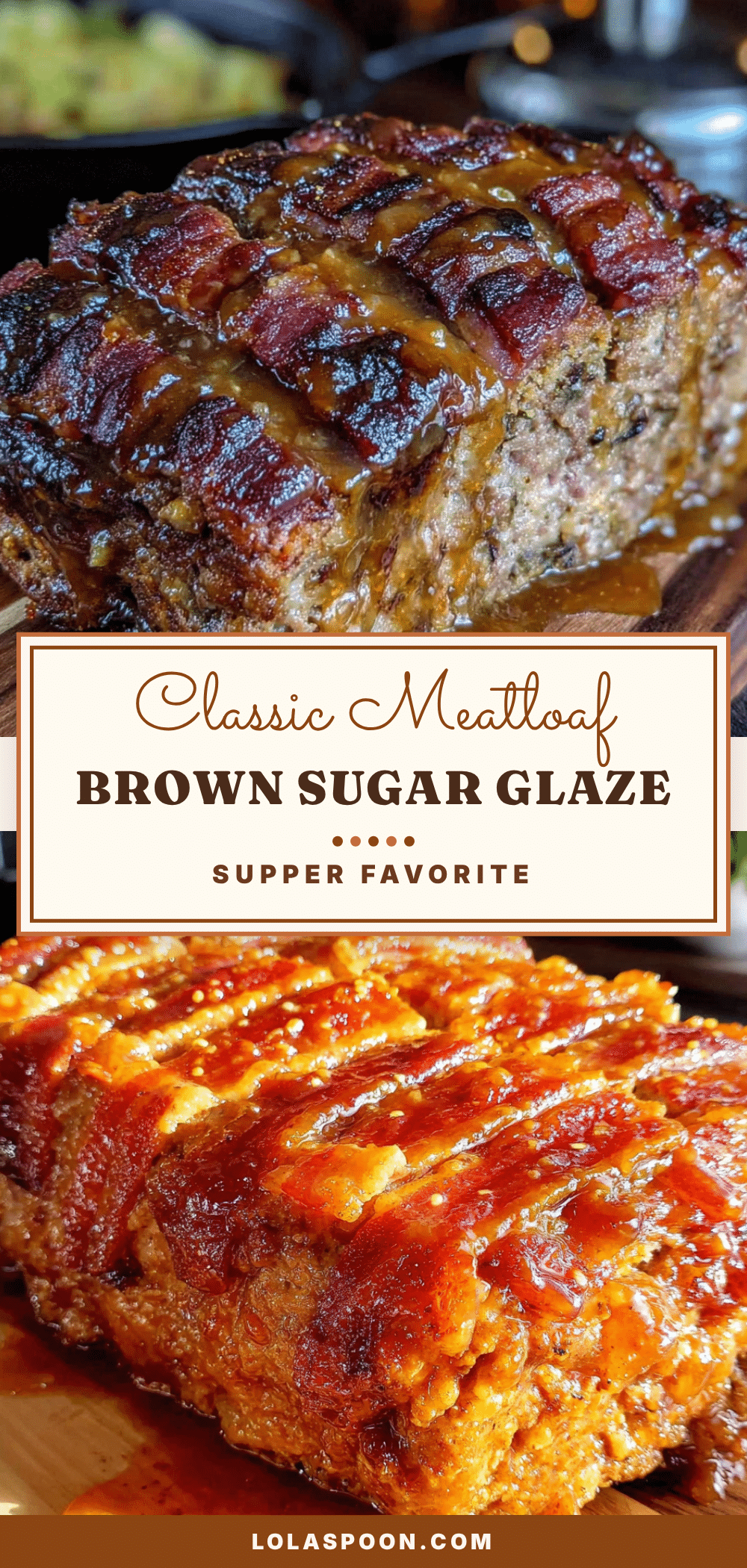
Best Classic Meatloaf with Brown Sugar Glaze Recipe
This classic meatloaf with a sweet and tangy brown sugar glaze is tender, moist, and incredibly flavorful. Made with simple ingredients, it’s the ultimate comfort food that will change your mind about meatloaf forever.
- Prep Time: 15 minutes
- Cook Time: 60 minutes
- Total Time: 1 hour 15 minutes
- Yield: 8 servings 1x
- Category: Main Course
- Cuisine: American
Ingredients
- 2 lbs (900g) ground beef (80/20)
- 1 cup (120g) breadcrumbs (plain or Italian-style)
- ½ cup (120ml) whole milk
- 2 large eggs, room temperature
- 1 medium yellow onion, finely diced
- 3 cloves garlic, minced
- ⅓ cup (80ml) ketchup
- 2 tablespoons Worcestershire sauce
- 1 tablespoon Dijon mustard
- 1 teaspoon salt
- ½ teaspoon black pepper
- 2 tablespoons fresh parsley, chopped (optional)
- ¾ cup (180ml) ketchup (for glaze)
- ⅓ cup (70g) brown sugar, packed
- 1 tablespoon apple cider vinegar
- 1 teaspoon Worcestershire sauce (for glaze)
- ½ teaspoon garlic powder
Instructions
- Preheat your oven to 350°F (175°C). Line a 9×5 inch loaf pan with parchment paper, leaving some overhang on the sides.
- Make the panade: In a large mixing bowl, combine the breadcrumbs and milk. Stir and let sit for about 5 minutes until the breadcrumbs absorb the milk and form a thick paste.
- Sauté the aromatics: Heat a small skillet over medium heat with a drizzle of olive oil. Add the diced onion and cook for 3-4 minutes until translucent. Add the minced garlic and cook for another 30 seconds. Set aside to cool slightly.
- Mix the meatloaf: To the bowl with the panade, add the eggs, ketchup, Worcestershire sauce, Dijon mustard, salt, pepper, and the sautéed onion and garlic. Stir until well combined. Add the ground beef and fresh parsley. Use your hands to gently mix everything together until just combined—do not overmix.
- Shape the meatloaf: Transfer the meat mixture into the prepared loaf pan. Press gently into the corners and smooth the top.
- Make the brown sugar glaze: In a small saucepan over medium heat, combine the ketchup, packed brown sugar, apple cider vinegar, Worcestershire sauce, and garlic powder. Whisk until the brown sugar dissolves. Bring to a gentle simmer, then reduce heat to low and cook for 2-3 minutes, stirring occasionally, until thickened and glossy. Remove from heat.
- Apply the first layer of glaze: Spread about half of the glaze evenly over the top of the meatloaf. Reserve the remaining glaze.
- Bake the meatloaf: Place the loaf pan on a baking sheet and bake for 45 minutes.
- Apply the second layer of glaze: After 45 minutes, carefully remove the meatloaf from the oven. Spoon or brush the remaining glaze over the top. Return to the oven and bake for another 15-20 minutes (total baking time: 60-65 minutes).
- Check for doneness: The meatloaf is done when an instant-read thermometer inserted into the center registers 160°F (71°C).
- Rest before slicing: Let the meatloaf rest in the pan for 10-15 minutes. This allows the juices to redistribute.
- Slice and serve: Using the parchment paper overhang, lift the meatloaf out of the pan and transfer to a cutting board. Slice into 1-inch thick pieces. Spoon any leftover glaze from the pan over the slices.
Notes
Don’t overmix the meat to avoid a dense texture. Let the panade sit for the full 5 minutes. Sauté the onions first for better texture. Line the pan with parchment paper for easy cleanup. Let the meatloaf rest before slicing to keep it moist. The meatloaf tastes even better the next day.
Nutrition
- Serving Size: 1 slice (1/8 of meat
- Calories: 400
- Sugar: 14
- Sodium: 700
- Fat: 24
- Saturated Fat: 9
- Carbohydrates: 20
- Fiber: 1
- Protein: 30
Keywords: meatloaf, classic meatloaf, brown sugar glaze, comfort food, ground beef, easy dinner, weeknight meal