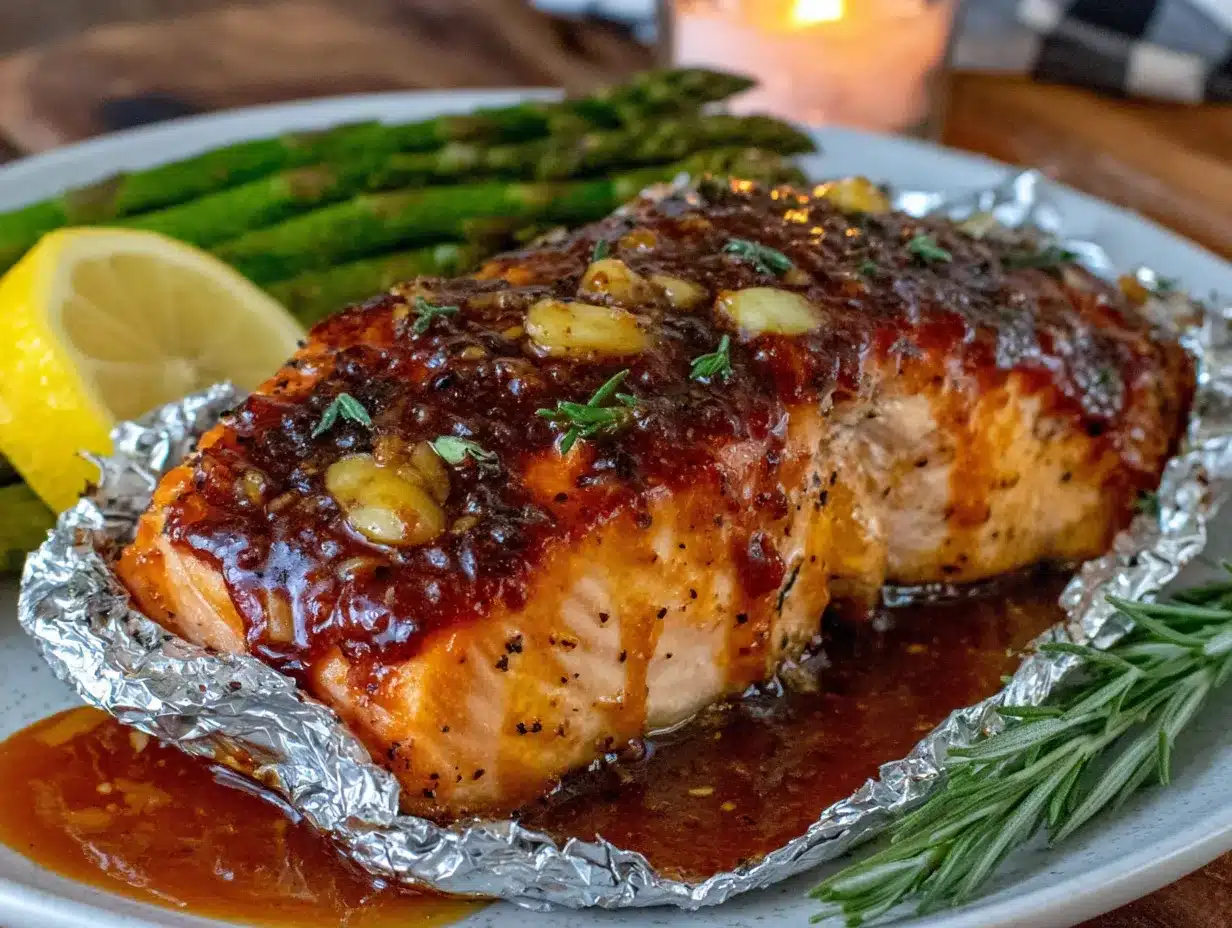
I wasn’t expecting cooking advice from my accountant, but there I was, standing in line at the post office last February, listening to Mr. Henderson describe exactly how to make the most incredible honey garlic salmon I’d ever tasted. The man who files my taxes, who I’d only ever seen in sensible cardigans and wire-rimmed glasses, was animatedly telling me about wrapping salmon in foil packets with a sauce so simple it barely qualified as a recipe. “The trick,” he said, tapping my shoulder with an envelope, “is to let the foil do the work. You just seal it up and trust the process.”
Honestly, I almost didn’t try it. I mean, my accountant? But something about the way he described the garlic softening in the butter, the honey caramelizing against the salmon—it stuck with me. That night, I had a fillet of salmon in the fridge and absolutely no plan for dinner. So I grabbed some foil, a clove of garlic, and decided to trust the man who knows my deductions better than I do. Let me tell you, that first bite was a revelation. The salmon came out impossibly tender, flaking apart at the slightest touch, bathed in a sticky-sweet sauce that had just enough garlic to keep things interesting.
I’ve made this cozy honey garlic salmon in foil packets at least a dozen times since that afternoon at the post office. It’s become my go-to for those nights when I want something that feels special but takes almost no effort. You know that feeling when you just need dinner to work without any drama? That’s this recipe. It’s the kind of meal that makes you close your eyes after the first bite, wondering why you ever bothered with complicated techniques when this exists. And it all started with an accountant who really, really knows his way around a piece of fish.
Why You’ll Love This Recipe
Look, I’ve tested a lot of salmon recipes over the years. Some are too fussy, some dry out the fish, and some just don’t deliver on flavor. This one? It’s different. After making it for friends, family, and even my skeptical neighbor who “doesn’t really like fish,” I can confidently say this recipe earns its place in your regular rotation.
- Quick & Easy: From start to table in under 20 minutes. The foil packets do all the work while you set the table or pour yourself a glass of wine.
- Simple Ingredients: You probably have everything you need right now—salmon, honey, soy sauce, garlic, butter. No fancy grocery trips required.
- Perfect for Busy Weeknights: This is the dinner you make when you’re tired, hungry, and need something that works without a lot of thought. It’s also great for meal prep since the packets travel beautifully.
- Crowd-Pleaser: Even people who claim they don’t like salmon end up asking for seconds. The honey garlic sauce is that good.
- Minimal Cleanup: Everything cooks inside the foil packets. You literally throw away the foil when you’re done. No pans to scrub, no baking dishes to soak.
What makes this version different from all the other foil packet salmon recipes out there? It’s the balance. I spent several batches tweaking the ratio of honey to soy sauce, figuring out exactly how much garlic to add, and testing whether butter really made a difference (it does—a lot). The result is a sauce that’s sweet without being cloying, savory without being salty, and garlicky without overwhelming the delicate flavor of the salmon. It’s not just another recipe—it’s the one I keep coming back to.
This is comfort food reimagined—healthier, faster, but with the same soul-soothing satisfaction. Whether you’re cooking for one or feeding a family, these foil packets deliver every single time.
What Ingredients You Will Need
This recipe uses simple, wholesome ingredients to create a dish that tastes far more complex than its ingredient list suggests. Most of these are pantry staples, which makes this perfect for those nights when you need dinner to come together without a trip to the store.
For the Salmon & Sauce
- Salmon fillets (4 fillets, about 6 ounces each): Look for fillets that are similar in thickness so they cook evenly. I prefer wild-caught salmon when it’s available, but farm-raised works beautifully too. The key is fresh, high-quality fish—your fishmonger can tell you what came in that morning.
- Honey (1/4 cup): Use a good-quality honey here. The floral notes of something like orange blossom or clover honey really shine. If your honey has crystallized, just warm it gently before using.
- Soy sauce (3 tablespoons): I recommend low-sodium soy sauce so you can control the saltiness. Tamari or coconut aminos work great if you need a gluten-free option.
- Unsalted butter (2 tablespoons, melted): Butter adds richness and helps the sauce cling to the salmon. Don’t skip it—the flavor is noticeably better with butter than without.
- Garlic (4 cloves, minced): Fresh garlic is non-negotiable here. The pre-minced stuff in a jar won’t give you the same punch. Take the extra 30 seconds to mince fresh cloves.
- Rice vinegar (1 tablespoon): This brightens the sauce and cuts through the richness. Apple cider vinegar works in a pinch.
- Sesame oil (1 teaspoon): Just a touch for that nutty, toasty flavor. It’s subtle but makes a difference.
- Red pepper flakes (1/4 teaspoon, optional): Adds a gentle warmth without making the dish spicy. Leave it out if you’re sensitive to heat.
For Serving
- Green onions (2-3, sliced): For freshness and color on top.
- Sesame seeds (1 tablespoon, toasted): Adds a nice crunch and visual appeal.
- Steamed rice or quinoa: The perfect base for soaking up all that honey garlic sauce.
- Steamed broccoli or asparagus: A simple green vegetable completes the meal beautifully.
I’ve made this with both fresh and frozen salmon (thawed completely, of course), and honestly, both work well. If you’re using frozen, just make sure to pat the fillets very dry before assembling the packets—excess moisture will water down the sauce.
Equipment Needed
The beauty of this recipe is that you don’t need much. Here’s what you’ll need:
- Aluminum foil: Heavy-duty foil is best because it’s less likely to tear. You’ll need four large sheets, about 12×18 inches each.
- Baking sheet: A rimmed baking sheet catches any drips and makes transferring the packets in and out of the oven easy.
- Small bowl: For whisking together the sauce ingredients.
- Chef’s knife and cutting board: For mincing garlic and slicing green onions.
- Measuring spoons and cups: Accuracy matters with the sauce ratios.
- Instant-read thermometer (optional but helpful): If you’re nervous about overcooking the salmon, this takes the guesswork out.
If you don’t have heavy-duty foil, you can double up regular foil sheets. I learned that one the hard way after a packet split open in the oven and I spent 20 minutes scrubbing caramelized sauce off a baking sheet. Not my finest moment.
Preparation Method
This comes together so fast, you’ll barely believe it. Here’s how to make the best honey garlic salmon of your life.
- Preheat your oven to 400°F (200°C). While it’s heating, line a rimmed baking sheet with foil for extra insurance against drips.
- Make the sauce. In a small bowl, whisk together 1/4 cup honey, 3 tablespoons soy sauce, 2 tablespoons melted butter, 4 minced garlic cloves, 1 tablespoon rice vinegar, 1 teaspoon sesame oil, and 1/4 teaspoon red pepper flakes (if using). Taste it—it should be sweet, savory, and just a little tangy. Adjust anything if needed.
- Prepare the foil packets. Tear off four sheets of heavy-duty foil, each about 12 inches long. Fold each sheet in half to create a crease, then open it back up. Place one salmon fillet in the center of one half of the foil, skin-side down if your fillets have skin.
- Spoon the sauce over the salmon. Divide the sauce evenly among the four fillets, spooning it directly over the top. Don’t be shy—coat each fillet well. The sauce will concentrate as it cooks, so you want a generous coating.
- Seal the packets. Fold the empty half of the foil over the salmon. Starting at one corner, fold the edges over in small, tight folds to create a sealed packet. Leave a little room inside for steam to circulate—don’t wrap it too tightly. Place the packets on the prepared baking sheet.
- Bake for 12-15 minutes. The exact time depends on the thickness of your fillets. For fillets that are about 1 inch thick, 12 minutes gives you perfectly tender, flaky salmon. If your fillets are thicker, go closer to 15 minutes. The salmon should be opaque and flake easily with a fork. If you’re using a thermometer, 145°F (63°C) is the target.
- Rest before opening. This is important! Let the packets rest on the baking sheet for 2-3 minutes before opening. The steam inside is incredibly hot, and opening them immediately can cause burns. Plus, the resting time lets the sauce settle and thicken slightly.
- Open carefully. Cut open the foil packets with scissors or a knife, being careful to avoid the steam. Use a spatula to transfer the salmon to plates or a serving platter. Spoon any remaining sauce from the foil over the top.
- Garnish and serve. Sprinkle with sliced green onions and toasted sesame seeds. Serve immediately over steamed rice or quinoa with a side of vegetables.
A quick note on timing: while the salmon bakes, steam your rice and vegetables. Everything finishes at about the same time, which makes this an incredibly efficient dinner.
Cooking Tips & Techniques
After making this recipe more times than I can count, I’ve picked up a few tricks that make a real difference.
Don’t over-seal the packets. I made this mistake early on—I’d fold the foil so tightly that there was no room for steam to circulate. The salmon ended up steaming unevenly, with some parts overcooked and others underdone. Leave a little air space inside the packet. Think of it as a little steam room for your fish.
Pat the salmon dry. This is one of those steps that seems unnecessary but genuinely matters. If your salmon fillets are wet, the sauce will get diluted, and you’ll end up with watery packets. Use paper towels to pat each fillet dry before adding the sauce. Your future self will thank you.
Watch the garlic. Four cloves might seem like a lot, but trust me, it’s right. However, if you’re using particularly large cloves or really strong garlic, you might want to dial it back to three. The garlic should complement the honey, not overpower it.
Use room-temperature ingredients. This is a small thing, but if your butter and honey are at room temperature, they’ll whisk together much more smoothly than if they’re cold. It’s not a dealbreaker, but it makes the sauce come together more easily.
Toast your sesame seeds. This takes about 2 minutes in a dry pan over medium heat, and it makes a huge difference in flavor. Raw sesame seeds are fine, but toasted ones have a nutty, toasty quality that really elevates the dish. Just watch them carefully—they burn quickly.
I once forgot to pat the salmon dry and ended up with a sauce that was more like salmon-flavored water. It was a sad dinner, let me tell you. Learn from my mistakes.
Variations & Adaptations
One of the best things about this recipe is how adaptable it is. Here are some variations I’ve tried and loved.
Spicy Honey Garlic Salmon: Add an extra 1/2 teaspoon of red pepper flakes or a teaspoon of sriracha to the sauce. The heat pairs beautifully with the sweet honey and savory soy sauce. I make this version when I’m craving something with a little kick.
Lemon Herb Version: Replace the rice vinegar with fresh lemon juice and add a teaspoon of dried thyme or oregano to the sauce. The citrus brightens everything up, making it perfect for spring or summer dinners.
Maple Dijon Twist: Swap the honey for maple syrup and add a tablespoon of whole-grain Dijon mustard. This version is slightly less sweet and has a lovely tangy complexity. It’s become my husband’s favorite.
Vegetable Additions: Toss some asparagus spears, green beans, or sliced bell peppers into the foil packets with the salmon. They’ll steam perfectly alongside the fish and absorb some of the sauce. Just make sure the vegetables are cut into similar-sized pieces so they cook evenly.
Dairy-Free Option: Replace the butter with olive oil or avocado oil. The sauce will be slightly different—less rich—but still delicious. I’ve made it this way for dairy-free friends and gotten rave reviews.
Air Fryer Adaptation: If you don’t want to heat up the oven, you can cook these packets in an air fryer at 375°F (190°C) for about 10-12 minutes. Just make sure the packets fit in your basket without being overcrowded.
I’ve personally tried the lemon herb version on a warm evening last June, and it was absolutely perfect with a side of grilled zucchini. Sometimes a small tweak can make a recipe feel entirely new.
Serving & Storage Suggestions
This salmon is best served immediately, right out of the foil packet, while it’s still hot and the sauce is glossy. Here’s how to make the most of it.
Serving Temperature: Serve the salmon hot, straight from the oven. The sauce will thicken slightly as it cools, so don’t let it sit too long before serving.
What to Serve With It: Steamed jasmine rice is my go-to because it soaks up the sauce beautifully. Quinoa or couscous work well too. For vegetables, I love roasted asparagus, steamed broccoli, or a simple green salad with a light vinaigrette. The salmon is rich enough that you don’t need much else.
Storage: If you have leftovers (unlikely, but possible), store the salmon in an airtight container in the refrigerator for up to 3 days. The sauce will continue to flavor the fish, so it actually gets even more delicious overnight.
Reheating: The best way to reheat is gently. Place the salmon in a foil packet again and warm it in a 300°F (150°C) oven for about 5-7 minutes. You can also microwave it, but be careful—salmon can dry out quickly in the microwave. Add a splash of water or extra sauce before reheating to keep it moist.
Freezing: These foil packets freeze beautifully! Assemble the packets completely (without cooking), then place them in a freezer bag. Freeze for up to 3 months. To cook, thaw in the refrigerator overnight, then bake as directed, adding 2-3 minutes to the cooking time since the fish will be cold.
I’ve found that the flavors actually deepen after a day in the fridge. The honey and garlic meld together even more, making leftovers taste almost better than the original meal.
Nutritional Information & Benefits
Here’s a rough estimate of the nutritional content per serving (one fillet with sauce, not including rice or vegetables):
- Calories: Approximately 380-420
- Protein: 35-40 grams
- Fat: 18-22 grams
- Carbohydrates: 20-25 grams
- Sugar: 18-20 grams (from honey)
- Sodium: 600-700 mg (using low-sodium soy sauce)
Salmon is packed with omega-3 fatty acids, which are fantastic for heart health and brain function. It’s also an excellent source of high-quality protein, B vitamins, and selenium. The honey provides natural sweetness along with antioxidants, while garlic is known for its immune-supporting properties.
This dish is naturally gluten-free if you use tamari or coconut aminos instead of soy sauce. It’s also dairy-free if you swap the butter for oil. If you’re watching your sugar intake, you can reduce the honey to 3 tablespoons—the sauce will still be delicious, just slightly less sweet.
From a wellness perspective, this is the kind of meal that feels indulgent but is actually quite balanced. You get healthy fats, lean protein, and a touch of sweetness, all in a portion that leaves you satisfied without feeling heavy.
Conclusion
So there it is—the recipe that started with an accountant at the post office and ended up becoming one of my most-made dinners. This cozy honey garlic salmon in foil packets is everything I want in a weeknight meal: fast, flavorful, and forgiving. You don’t need to be a confident cook to pull it off, and you don’t need a pantry full of obscure ingredients. Just good salmon, a simple sauce, and a sheet of foil.
What I love most about this recipe is how adaptable it is. Maybe you’ll add extra garlic, or swap the honey for maple syrup, or throw in some vegetables to make it a complete meal. The beauty of foil packet cooking is that it invites experimentation. Don’t be afraid to make it your own.
I’d love to hear how this turns out for you. Did you try a variation? Did your family ask for seconds? Drop a comment below and let me know—I read every single one. And if you’re looking for another quick dinner idea, you might want to check out my crispy garlic chicken recipe, which has a similar vibe but with a completely different flavor profile. Happy cooking, friends!
Frequently Asked Questions
Can I use frozen salmon for this recipe?
Absolutely. Just make sure to thaw the salmon completely in the refrigerator overnight before using. Pat it very dry with paper towels to remove excess moisture, then proceed with the recipe as written. Frozen salmon tends to release more water, so drying it well is extra important.
How do I know when the salmon is done cooking?
The easiest way is to check with a fork. The salmon should flake easily and be opaque all the way through. If you have an instant-read thermometer, 145°F (63°C) is the target temperature. Remember that the salmon will continue to cook slightly as it rests in the foil packet, so don’t leave it in the oven too long.
Can I make these foil packets on the grill?
Yes! This recipe works beautifully on a gas or charcoal grill. Preheat the grill to medium-high heat (about 400°F/200°C), place the foil packets directly on the grates, and cook for 12-15 minutes with the lid closed. The smoky flavor from the grill adds another layer of deliciousness.
What if I don’t have rice vinegar?
No problem. Apple cider vinegar, white wine vinegar, or even fresh lemon juice will work as a substitute. The acid is important for balancing the sweetness of the honey, so don’t skip it entirely. Each vinegar will add a slightly different flavor, but all are delicious.
Can I double this recipe for a crowd?
Definitely. The recipe scales up easily. Just make sure your baking sheet isn’t overcrowded—use two sheets if needed. The cooking time stays the same as long as the fillets are similar in thickness. This is perfect for dinner parties or family gatherings since everything cooks at once and cleanup is minimal.
Pin This Recipe!
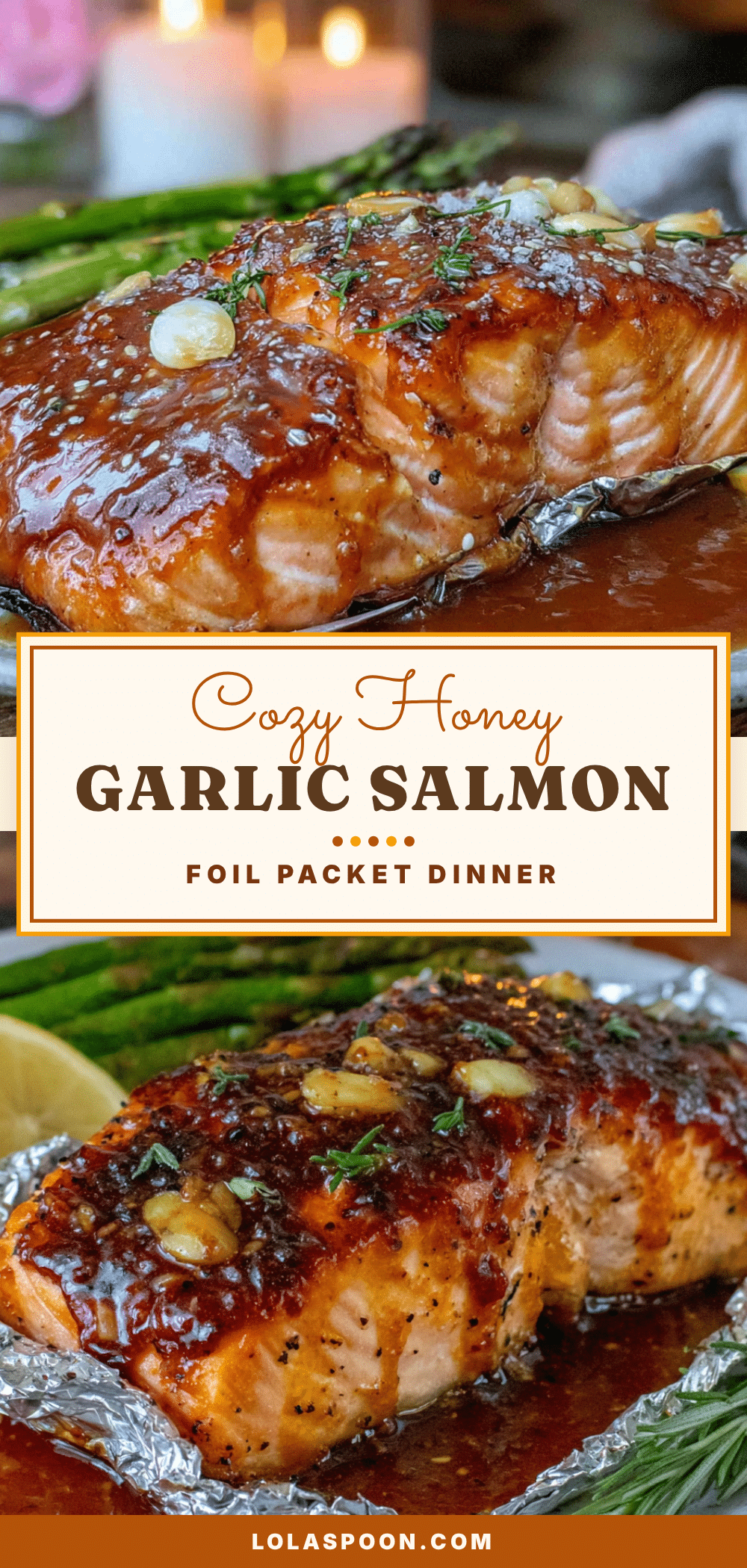
Cozy Honey Garlic Salmon in Foil: Easy 20-Min Dinner
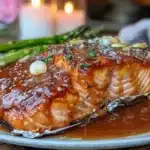
This honey garlic salmon in foil packets is a quick, easy, and flavorful weeknight dinner. The salmon bakes to tender perfection in a sweet and savory sauce with minimal cleanup.
- Prep Time: 5 minutes
- Cook Time: 15 minutes
- Total Time: 20 minutes
- Yield: 4 servings 1x
- Category: Main Course
- Cuisine: American
Ingredients
- 4 salmon fillets (about 6 ounces each)
- 1/4 cup honey
- 3 tablespoons low-sodium soy sauce
- 2 tablespoons unsalted butter, melted
- 4 cloves garlic, minced
- 1 tablespoon rice vinegar
- 1 teaspoon sesame oil
- 1/4 teaspoon red pepper flakes (optional)
- 2–3 green onions, sliced
- 1 tablespoon sesame seeds, toasted
- Steamed rice or quinoa for serving
- Steamed broccoli or asparagus for serving
Instructions
- Preheat your oven to 400°F (200°C). Line a rimmed baking sheet with foil.
- In a small bowl, whisk together honey, soy sauce, melted butter, minced garlic, rice vinegar, sesame oil, and red pepper flakes (if using).
- Tear off four sheets of heavy-duty foil, each about 12 inches long. Fold each in half to create a crease, then open back up.
- Place one salmon fillet in the center of one half of each foil sheet, skin-side down if applicable.
- Spoon the sauce evenly over the salmon fillets, coating each well.
- Fold the empty half of the foil over the salmon. Starting at one corner, fold the edges over in small, tight folds to create a sealed packet, leaving a little room for steam circulation.
- Place the packets on the prepared baking sheet.
- Bake for 12-15 minutes, depending on thickness. Salmon should be opaque and flake easily with a fork (internal temperature of 145°F/63°C).
- Let the packets rest for 2-3 minutes before opening carefully to avoid steam burns.
- Transfer salmon to plates, spoon remaining sauce from foil over the top.
- Garnish with sliced green onions and toasted sesame seeds. Serve immediately over steamed rice or quinoa with vegetables.
Notes
Pat salmon dry before adding sauce to avoid dilution. Use room-temperature butter and honey for easier mixing. Toast sesame seeds for better flavor. For thicker fillets, cook closer to 15 minutes. Let packets rest before opening to allow sauce to thicken.
Nutrition
- Serving Size: 1 fillet with sauce
- Calories: 400
- Sugar: 19
- Sodium: 650
- Fat: 20
- Saturated Fat: 6
- Carbohydrates: 23
- Protein: 37
Keywords: honey garlic salmon, foil packet salmon, easy salmon recipe, quick dinner, healthy salmon, 20-minute meal