Jen wasn’t trying to impress anyone that Thursday night. I’d stopped by to borrow a cake pan—mine had mysteriously vanished during a friend’s moving-out saga—and the smell hit me before I even got past her porch. It was sweet, but not dessert-sweet. Savory, but not in that heavy, slow-cooked way. And garlicky. So wonderfully garlicky that I almost forgot why I was there.
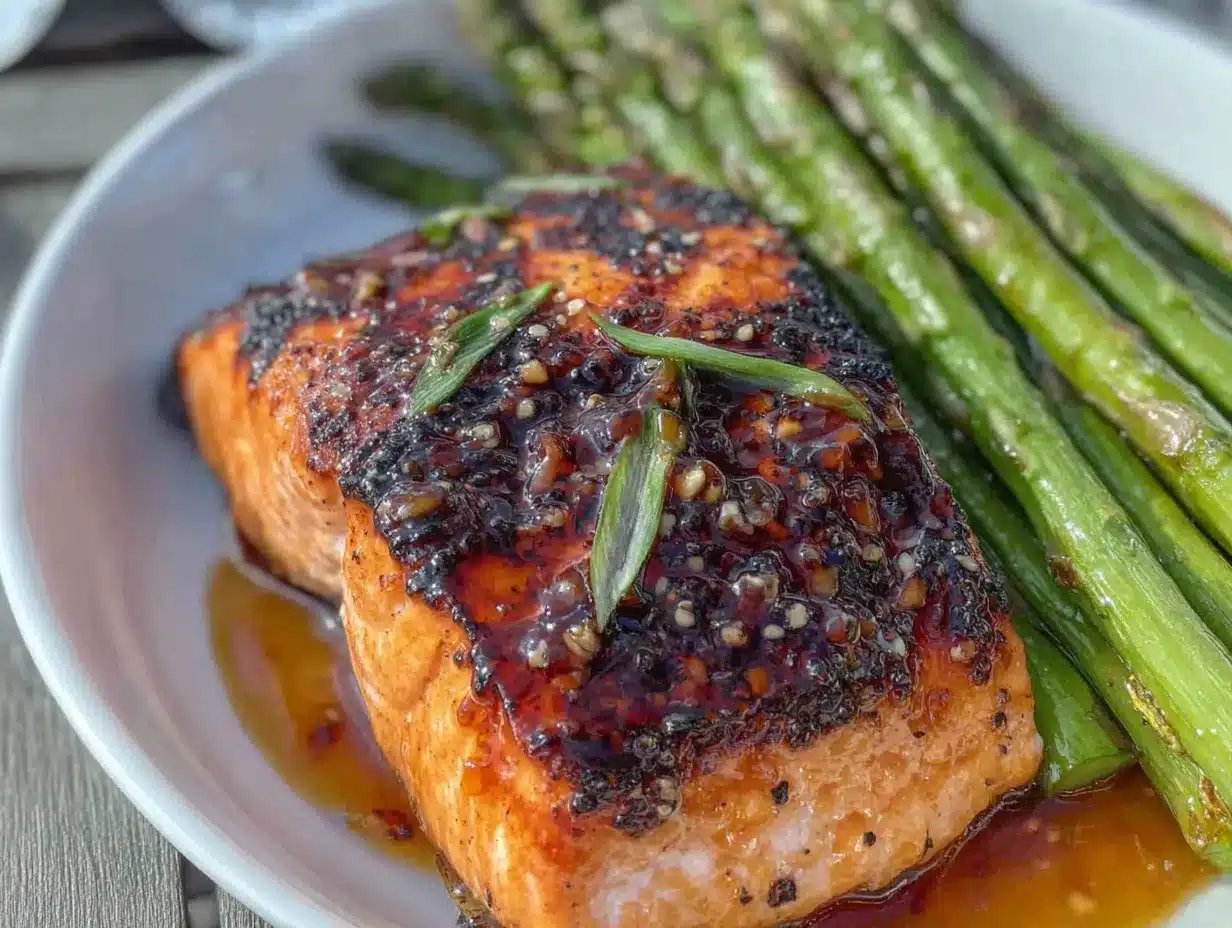
“Oh, that’s just dinner,” she said when I asked, waving her spatula like it was no big deal. Just dinner. She was wearing an old t-shirt with a bleach stain on the sleeve, and she was talking to me over her shoulder while she basted this gorgeous salmon fillet in a pan that was definitely not nonstick anymore. But the fish? It was perfection. Glossy. Caramelized at the edges. The kind of thing you’d pay thirty dollars for at a nice restaurant, and she was making it on a random weeknight without breaking a sweat.
I stood there, cake pan forgotten, watching her work. She poured the glaze over the salmon like it was the most natural thing in the world, and I remember thinking—this is the kind of cooking I want to do. Not fussy. Not complicated. Just really, really good food made by someone who doesn’t realize how talented they are. Honestly, that’s the best kind of recipe to learn from. You know that feeling when you taste something and immediately start planning when you’ll make it yourself? That was me, standing in her kitchen, mentally rearranging my weekend plans.
I’ve made this honey garlic salmon at least a dozen times since that night. It’s become my go-to for dinner parties, potlucks, and any occasion where I want to hear people say “wow” without spending all day in the kitchen. And every time I make it, I think of Jen and her bleach-stained shirt, completely oblivious to the fact that she’d just changed my cooking life forever.
Why You’ll Love This Recipe
Let me tell you why this honey garlic salmon has earned a permanent spot in my dinner party rotation. I’ve tested it on picky eaters, seafood skeptics, and even my uncle who “doesn’t really like fish”—and it won every single one of them over. That’s not luck. That’s a recipe that works.
- Quick & Easy: From start to finish, this dish comes together in under 25 minutes. That means you can whip it up even on a busy weeknight, or—more importantly—you can make it after your guests arrive without disappearing into the kitchen for an hour.
- Simple Ingredients: You probably have most of these in your pantry right now. Honey, soy sauce, garlic, butter. No fancy grocery runs, no obscure spices you’ll use once and forget about. This is real-people cooking at its finest.
- Perfect for Dinner Parties: This salmon looks and tastes like you spent way more effort than you actually did. The glossy glaze, the caramelized edges, the way it catches the light on a serving platter—it’s pure dinner party magic. And because it cooks so fast, you can time it perfectly so it’s ready when your guests are.
- Crowd-Pleaser: I’ve served this to groups of four and crowds of twelve. It scales beautifully, and people always ask for seconds. Even kids love it—the honey keeps it sweet enough that they don’t get scared off by the “fish” factor.
- Unbelievably Delicious: The combination of sticky honey, savory soy sauce, and punchy garlic creates a glaze that’s next-level good. The salmon stays tender and flaky on the inside while the outside gets this beautiful caramelized crust. It’s the kind of dish that makes you close your eyes after the first bite.
What makes this recipe different from all the other honey garlic salmon recipes out there? It’s the technique. Most recipes tell you to just dump the glaze on and bake it. But I’ve learned—through trial and error, and a few too-salty disasters—that the secret is in how you layer the flavors. You sear the salmon first to get that crispy skin (yes, keep the skin on!), then you let it finish cooking in the glaze so it absorbs all that goodness without drying out. It’s a small difference that makes a huge impact.
This isn’t just another recipe. It’s the one that’ll make your friends ask, “Can you bring that salmon thing to the next party?” Trust me, I know from experience.
What Ingredients You Will Need
This recipe uses simple, everyday ingredients to create something truly special. The beauty of honey garlic salmon is that each component plays a specific role, and together they create a glaze that’s balanced, flavorful, and absolutely irresistible.
For the Salmon
- 4 salmon fillets (6 oz each) – Look for fillets that are similar in thickness so they cook evenly. I prefer center-cut fillets because they’re the meatiest and most uniform. (Skin on, please—it keeps the fish moist and gets deliciously crispy!)
- Salt and black pepper, to taste – Don’t be shy with the seasoning. Salmon can handle a generous amount of salt.
- 1 tablespoon olive oil – For searing. Use a neutral oil with a high smoke point like avocado oil if you prefer.
For the Honey Garlic Glaze
- 1/3 cup honey – Use a good-quality honey for the best flavor. I like local wildflower honey, but any runny honey works. (Avoid crystallized honey unless you warm it up first.)
- 1/4 cup low-sodium soy sauce – Low-sodium is key here. Regular soy sauce can make the glaze overwhelmingly salty. If you’re gluten-free, use tamari or coconut aminos.
- 4 cloves garlic, minced – Fresh garlic is non-negotiable for this recipe. The jarred stuff just doesn’t have the same punch. Trust me, I’ve tried both.
- 2 tablespoons unsalted butter – Butter adds richness and helps the glaze thicken into that gorgeous, glossy coating. Use salted butter if that’s all you have, just reduce the added salt.
- 1 tablespoon apple cider vinegar – This might seem like a small amount, but it’s crucial. The acidity balances the sweetness of the honey and keeps the glaze from being cloying.
- 1 teaspoon sesame oil (optional) – Adds a lovely nutty depth. I include it when I’m feeling fancy, but it’s totally optional.
For Garnish (Optional but Recommended)
- Sesame seeds – Toasted white or black sesame seeds add a nice visual contrast and a subtle crunch.
- Sliced green onions – Fresh green onions add a pop of color and a mild onion flavor that cuts through the richness.
- Fresh parsley or cilantro – A sprinkle of fresh herbs makes everything look more intentional and polished.
One thing I’ve learned the hard way: don’t skip the apple cider vinegar. The first time I made this, I thought, “Eh, it’s just a teaspoon, what difference does it make?” Big mistake. The glaze was one-dimensional—just sweet and salty without any brightness. That little bit of acid is what makes the flavors sing. So, you know, learn from my mistakes.
For the soy sauce, I’m partial to Kikkoman or San-J tamari. They have consistent flavor and aren’t too salty. And for the honey, honestly, whatever you have in your pantry will work. I’ve made this with everything from fancy manuka honey to the bear-shaped bottle from the grocery store, and it’s always been delicious.
Equipment Needed
You don’t need a fully stocked professional kitchen to make this honey garlic salmon. Here’s what you’ll actually use:
- Large skillet or frying pan – A 12-inch skillet is ideal. Cast iron is my favorite because it holds heat beautifully and gives you that perfect sear. But a good nonstick pan works too—just be careful not to scratch it with metal utensils.
- Fish spatula – If you don’t have one, a thin metal spatula works. The key is something flexible enough to get under the delicate fish without breaking it apart.
- Small bowl – For mixing the glaze ingredients together before cooking.
- Measuring cups and spoons – Precision matters for the glaze. I’ve eyeballed it before and ended up with a sauce that was either too sweet or too salty.
- Tongs – For flipping the salmon and handling it gently.
- Cutting board and knife – For mincing garlic and slicing green onions.
If you don’t have a cast iron skillet, don’t worry. I’ve made this in a stainless steel pan and even an electric skillet when I was cooking at a friend’s cabin. The most important thing is that the pan is large enough to hold all the fillets without crowding them. If they’re too close together, they’ll steam instead of sear, and you’ll miss out on that beautiful caramelization.
One budget-friendly tip: a good fish spatula costs about ten dollars and will change your seafood-cooking life. I got mine at a restaurant supply store years ago, and it’s still going strong. Worth every penny.
Preparation Method
Alright, let’s get cooking. I’ve broken this down into clear steps so you can follow along without any confusion. Take your time, and remember—cooking is supposed to be fun, not stressful.
- Prep the salmon (5 minutes)
Start by patting your salmon fillets dry with paper towels. This is important—wet salmon won’t sear properly. Season both sides generously with salt and black pepper. Set them aside while you make the glaze. - Make the glaze (3 minutes)
In a small bowl, whisk together the honey, low-sodium soy sauce, minced garlic, apple cider vinegar, and sesame oil if using. Give it a taste. It should be sweet, salty, and slightly tangy. If it tastes too sweet, add a splash more vinegar. Too salty? A little more honey. Trust your palate here. - Heat the pan (2 minutes)
Place your skillet over medium-high heat and add the olive oil. Let it get hot—you want it shimmering but not smoking. To test, hold your hand a few inches above the pan. If it feels hot, you’re ready. (Don’t actually touch it, obviously.) - Sear the salmon (4-5 minutes)
Carefully place the salmon fillets skin-side down in the hot pan. Listen for that satisfying sizzle. If you don’t hear it, the pan isn’t hot enough. Cook without moving them for 4 minutes. The skin should be golden brown and crispy. Use your fish spatula to gently lift one corner and check—if it releases easily, it’s ready to flip. - Flip and add the glaze (2 minutes)
Flip the salmon over so the skin side is up. Pour the honey garlic glaze into the pan around the fillets (not directly on top—you don’t want to wash off the sear). Add the butter, letting it melt into the glaze. Let everything cook together for about 2 minutes, spooning the glaze over the tops of the fillets as it bubbles. - Finish cooking (3-4 minutes)
Reduce the heat to medium-low. Continue cooking, basting the salmon with the glaze every minute or so. The salmon is done when it flakes easily with a fork and the internal temperature reaches 145°F (63°C). The glaze should be thick and syrupy, coating the fish beautifully. - Rest and garnish (2 minutes)
Remove the pan from heat. Let the salmon rest for 2 minutes—this allows the juices to redistribute. Transfer the fillets to a serving platter, spoon any remaining glaze over the top, and sprinkle with sesame seeds and sliced green onions. Serve immediately.
A few things I’ve learned the hard way: Don’t overcrowd the pan. If you’re cooking for a crowd, work in batches. And don’t walk away during the basting step—the glaze can go from perfect to burnt in about 30 seconds. I may or may not have learned this while trying to answer the door for a pizza delivery. (The pizza was great. The salmon was… crispy.)
The visual cue you’re looking for: the glaze should be bubbling gently, not furiously. It should coat the back of a spoon. And the salmon should look glossy and almost lacquered, like something you’d see in a food magazine.
Cooking Tips & Techniques
I’ve made this honey garlic salmon more times than I can count, and I’ve made pretty much every mistake in the book. Here’s what I’ve learned so you don’t have to repeat my failures.
Get the pan hot enough. This is the number one mistake people make. If your pan isn’t hot enough, the salmon won’t sear—it’ll just sit there and get sad. You want that aggressive sizzle when the fish hits the pan. If you’re not sure, drop a tiny splash of water in the pan. If it dances and evaporates immediately, you’re good to go.
Don’t flip too early. I know it’s tempting to peek, but let the salmon cook undisturbed for those first 4 minutes. The skin will release naturally when it’s properly seared. If you try to flip and it sticks, it’s not ready yet. Give it another 30 seconds and try again.
Watch the garlic. Garlic burns quickly, especially in a sweet glaze. That’s why we add the glaze after flipping, not before. If you add the garlic too early, it’ll turn bitter and ruin the whole dish. Trust the order of operations here.
Adjust the heat as you go. After you add the glaze, you’ll probably need to lower the heat. The sugar in the honey can burn fast over high heat. Medium-low is your friend for the basting stage. If the glaze starts looking too dark or smells caramelized in a burnt way, pull the pan off the heat immediately.
Use a meat thermometer if you have one. Salmon is done at 145°F (63°C), but honestly, I pull mine off at about 140°F because it continues cooking as it rests. The fish should be opaque and flake easily. Overcooked salmon is dry and sad, and we’re not about that life.
One more thing: if you’re making this for a dinner party, do the searing step before your guests arrive. Sear the salmon, let it cool, and refrigerate it. Then when you’re ready to serve, just reheat it in the glaze for a few minutes. It saves you from being stuck in the kitchen while everyone else is having fun. That’s a hosting hack I learned from Jen herself, actually.
Variations & Adaptations
One of the best things about this honey garlic salmon is how flexible it is. I’ve played around with different versions over the years, and here are some of my favorites.
Spicy Honey Garlic Salmon: Add 1/2 teaspoon of red pepper flakes or a tablespoon of sriracha to the glaze. The heat cuts through the sweetness beautifully and gives the dish a nice kick. I made this version for a game night once, and it was gone in ten minutes.
Lemon Herb Variation: Swap the apple cider vinegar for fresh lemon juice and add a teaspoon of dried thyme or oregano to the glaze. Finish with fresh dill instead of green onions. This version feels brighter and more summery—perfect for outdoor gatherings.
Maple Dijon Twist: Replace the honey with maple syrup and add a tablespoon of whole-grain Dijon mustard. The mustard adds a lovely tang and some texture. This is my go-to for fall dinner parties when I want something cozy but still impressive.
Air Fryer Method: Preheat your air fryer to 400°F (200°C). Season the salmon and place it skin-side down in the basket. Cook for 7 minutes, then brush with the glaze and cook for another 2-3 minutes. The glaze gets beautifully caramelized, and cleanup is a breeze.
Dairy-Free Option: Skip the butter and use coconut oil or a dairy-free butter substitute. The glaze will still be delicious, just slightly less rich. I’ve tested this for friends with dairy allergies, and honestly, no one noticed the difference.
Garlic Lovers’ Version: Double the garlic. Use 8 cloves instead of 4. Roast half of them first for a mellow, sweet garlic flavor, and keep the rest raw for that punchy kick. This one’s for the true garlic enthusiasts out there.
My personal favorite variation? The spicy one. I love how the heat sneaks up on you—it’s not overwhelming, just enough to keep things interesting. I’ve started adding a pinch of red pepper flakes even to the original version, just because I can’t help myself.
Serving & Storage Suggestions
This honey garlic salmon is versatile enough to fit into almost any meal plan, but here’s how I like to serve it for maximum impact.
Serving Temperature: Serve the salmon hot, straight from the pan. The glaze is at its best when it’s warm and glossy. If you’re serving a crowd, keep the salmon in a warm oven (200°F) while you finish other dishes.
What to Serve With It: I love pairing this salmon with simple sides that let it shine. Steamed jasmine rice or coconut rice soaks up the extra glaze beautifully. Roasted asparagus or green beans add a fresh, green contrast. A simple cucumber salad with rice vinegar and sesame seeds is also fantastic—it’s light and refreshing against the rich salmon.
For Dinner Parties: Arrange the salmon on a large platter, spoon the remaining glaze over the top, and garnish generously with sesame seeds and green onions. Add a few lemon wedges around the edges for color. It looks stunning with minimal effort—exactly what you want when hosting.
Storage: Leftover salmon keeps in an airtight container in the refrigerator for up to 3 days. The flavors actually meld together overnight, so it’s even better the next day. I’ve been known to eat it cold straight from the fridge for lunch, and I have zero regrets.
Reheating: The best way to reheat is gently. Place the salmon in a skillet over low heat with a splash of water or extra soy sauce. Cover and warm for 3-4 minutes. You can also microwave it in 30-second bursts, but be careful—it can dry out quickly. If you’re meal prepping, consider flaking the cold salmon over salads or rice bowls instead of reheating it.
Freezing: You can freeze cooked salmon for up to 2 months. Wrap each fillet tightly in plastic wrap, then place in a freezer bag. Thaw overnight in the refrigerator and reheat gently. The texture won’t be quite as perfect as fresh, but it’s still delicious.
One note on leftovers: the glaze will solidify slightly in the fridge, but don’t worry—it’ll loosen up when you reheat it. And if you have extra glaze, save it! It’s amazing drizzled over roasted vegetables or stirred into rice.
Nutritional Information & Benefits
Let’s talk about what’s actually in this dish. I’m not a nutritionist, but I’ve done my research, and here’s the breakdown.
Estimated Nutritional Values (per serving, based on 4 servings):
- Calories: 380-420
- Protein: 35g
- Fat: 18g
- Carbohydrates: 22g
- Sugar: 19g
- Sodium: 600mg
Health Benefits: Salmon is packed with omega-3 fatty acids, which are amazing for heart and brain health. It’s also a great source of high-quality protein, B vitamins, and selenium. The honey provides quick energy, and garlic is known for its immune-boosting properties. So yes, this dish is delicious, but it’s also genuinely good for you.
Dietary Considerations: This recipe is naturally gluten-free if you use tamari or coconut aminos instead of soy sauce. It’s also dairy-free if you skip the butter or use a substitute. It’s not low-carb because of the honey, but the sugar is balanced by the protein and healthy fats.
Potential Allergens: Fish (salmon), soy (if using soy sauce), dairy (butter). If you’re cooking for someone with allergies, the substitutions listed above work well.
Personally, I love that this recipe feels indulgent but is actually pretty balanced. It’s the kind of meal that satisfies a craving without leaving you feeling heavy. And honestly, when you’re feeding people you love, knowing that the food is nourishing as well as delicious just feels good.
Conclusion
This honey garlic salmon has become my signature dish, and I’m not even embarrassed to say that. It’s the recipe I bring to potlucks, the one I make when I want to impress someone, and the one I turn to on busy weeknights when I need something that feels special without a lot of effort. It’s reliable, forgiving, and always, always delicious.
I hope you give it a try. And when you do, I hope you think of Jen in her bleach-stained shirt, making something extraordinary without even realizing it. That’s the energy I want you to bring to your kitchen—casual, confident, and a little bit magical.
If you make this recipe, I’d love to hear about it. Leave a comment below and let me know how it turned out, what you served with it, or if you tried one of the variations. And if you share it on social media, tag me—I want to see your beautiful salmon creations!
Happy cooking, friends. You’ve got this.
Frequently Asked Questions
Can I use frozen salmon for this recipe?
Yes, but thaw it completely in the refrigerator first and pat it very dry with paper towels. Frozen salmon holds more moisture, so you need to remove as much as possible to get a good sear. I don’t recommend cooking it from frozen—the texture won’t be as nice, and the glaze won’t adhere properly.
What if I don’t have a cast iron skillet?
No problem! Any heavy-bottomed skillet will work. Stainless steel is great because it gives you a nice crust. Nonstick works too, but you won’t get quite as much browning. Just make sure the pan is hot before you add the salmon.
Can I make the glaze ahead of time?
Absolutely. You can whisk together the honey, soy sauce, garlic, vinegar, and sesame oil up to 3 days in advance. Store it in an airtight container in the refrigerator. Give it a good stir before using, and add the butter fresh when you cook.
How do I know when the salmon is fully cooked?
The easiest way is to use a meat thermometer—145°F (63°C) is the target. If you don’t have one, look for visual cues: the fish should be opaque all the way through, and it should flake easily when you gently press it with a fork. The center should still look moist, not dry or stringy.
Can I double this recipe for a larger crowd?
Yes, but cook the salmon in batches. Don’t overcrowd the pan, or the fish will steam instead of sear. Sear all the fillets first, then return them all to the pan with the glaze for the final basting step. This way, every fillet gets that beautiful caramelized exterior.
Pin This Recipe!
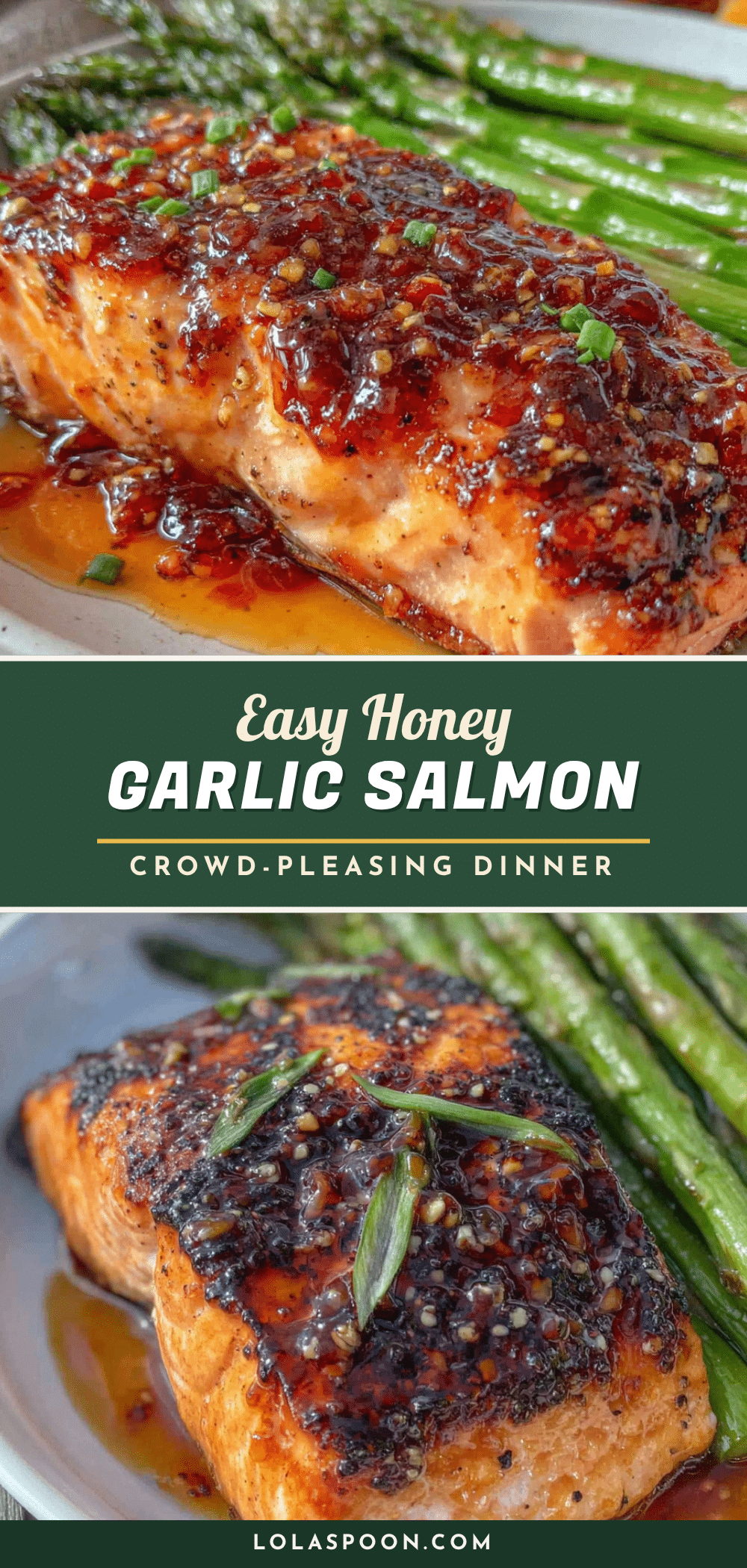
Easy Honey Garlic Salmon Recipe Perfect for Dinner Parties
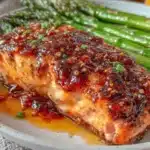
This honey garlic salmon is quick, easy, and perfect for dinner parties. With a glossy, caramelized glaze and tender, flaky fish, it’s a crowd-pleaser that comes together in under 25 minutes.
- Prep Time: 10 minutes
- Cook Time: 15 minutes
- Total Time: 25 minutes
- Yield: 4 servings 1x
- Category: Main Course
- Cuisine: American
Ingredients
- 4 salmon fillets (6 oz each), skin on
- Salt and black pepper, to taste
- 1 tablespoon olive oil
- 1/3 cup honey
- 1/4 cup low-sodium soy sauce
- 4 cloves garlic, minced
- 2 tablespoons unsalted butter
- 1 tablespoon apple cider vinegar
- 1 teaspoon sesame oil (optional)
- Sesame seeds for garnish (optional)
- Sliced green onions for garnish (optional)
- Fresh parsley or cilantro for garnish (optional)
Instructions
- Prep the salmon: Pat salmon fillets dry with paper towels. Season both sides generously with salt and black pepper. Set aside.
- Make the glaze: In a small bowl, whisk together honey, low-sodium soy sauce, minced garlic, apple cider vinegar, and sesame oil (if using). Taste and adjust sweetness or tanginess as desired.
- Heat the pan: Place a large skillet over medium-high heat and add olive oil. Heat until shimmering but not smoking.
- Sear the salmon: Carefully place salmon fillets skin-side down in the hot pan. Cook without moving for 4 minutes, until skin is golden brown and crispy.
- Flip and add glaze: Flip salmon so skin side is up. Pour glaze into the pan around the fillets (not directly on top). Add butter and let it melt. Cook for 2 minutes, spooning glaze over fillets.
- Finish cooking: Reduce heat to medium-low. Continue cooking, basting every minute, until salmon flakes easily and internal temperature reaches 145°F (63°C), about 3-4 minutes. Glaze should be thick and syrupy.
- Rest and garnish: Remove from heat. Let salmon rest 2 minutes. Transfer to a platter, spoon remaining glaze on top, and garnish with sesame seeds and green onions. Serve immediately.
Notes
Don’t overcrowd the pan; cook in batches if needed. Watch the garlic—it burns quickly. Use a meat thermometer for best results: pull salmon at 140°F as it continues cooking while resting. For dinner parties, sear salmon ahead, then reheat in glaze before serving.
Nutrition
- Serving Size: 1 fillet
- Calories: 400
- Sugar: 19
- Sodium: 600
- Fat: 18
- Saturated Fat: 6
- Carbohydrates: 22
- Protein: 35
Keywords: honey garlic salmon, salmon recipe, dinner party, easy salmon, quick dinner, seafood, garlic salmon, honey salmon